Get your free personalized podcast brief
We scan new podcasts and send you the top 5 insights daily.
Conflicting statements from the administration create a chaotic diplomatic environment. When the President touts progress on a deal while the Defense Secretary talks of 'winning,' it becomes impossible for allies to offer support or for adversaries to negotiate, as no one understands the actual U.S. objectives or desired endgame.

Related Insights
The administration's military objectives are in constant flux, moving from grand goals like regime change and 'obliterating' the enemy to vaguely 'diminishing' them. This signals a lack of a coherent long-term strategy, undermining the mission's credibility and making it impossible to define or achieve victory.
The US military action against Iran lacks a clear off-ramp or stated goal, violating the Powell Doctrine. This ambiguity between objectives like "regime change" and other aims creates strategic confusion and risks prolonged engagement without a defined victory condition.

Trump's erratic approach isn't random; it's a strategy to create chaos and uncertainty. This keeps adversaries off-balance, allowing him to exploit openings that emerge, much like a disruptive CEO. He is comfortable with instability and uses it as a tool for negotiation and advantage.

The administration sent deeply contradictory messages about Iran's nuclear capabilities. One official claimed Iran was a week from a bomb's worth of uranium, while Trump himself said the program was "blown to smithereens." This strategic ambiguity or internal division makes it impossible to discern a coherent policy or the true urgency of the threat.

Despite overwhelming military force, the US lacks a clear, singular objective in its war with Iran. With at least five distinct goals—from targeting nuclear and missile programs to regime change and settling historical scores—it's unclear what constitutes victory, making the application of force dangerously unfocused.
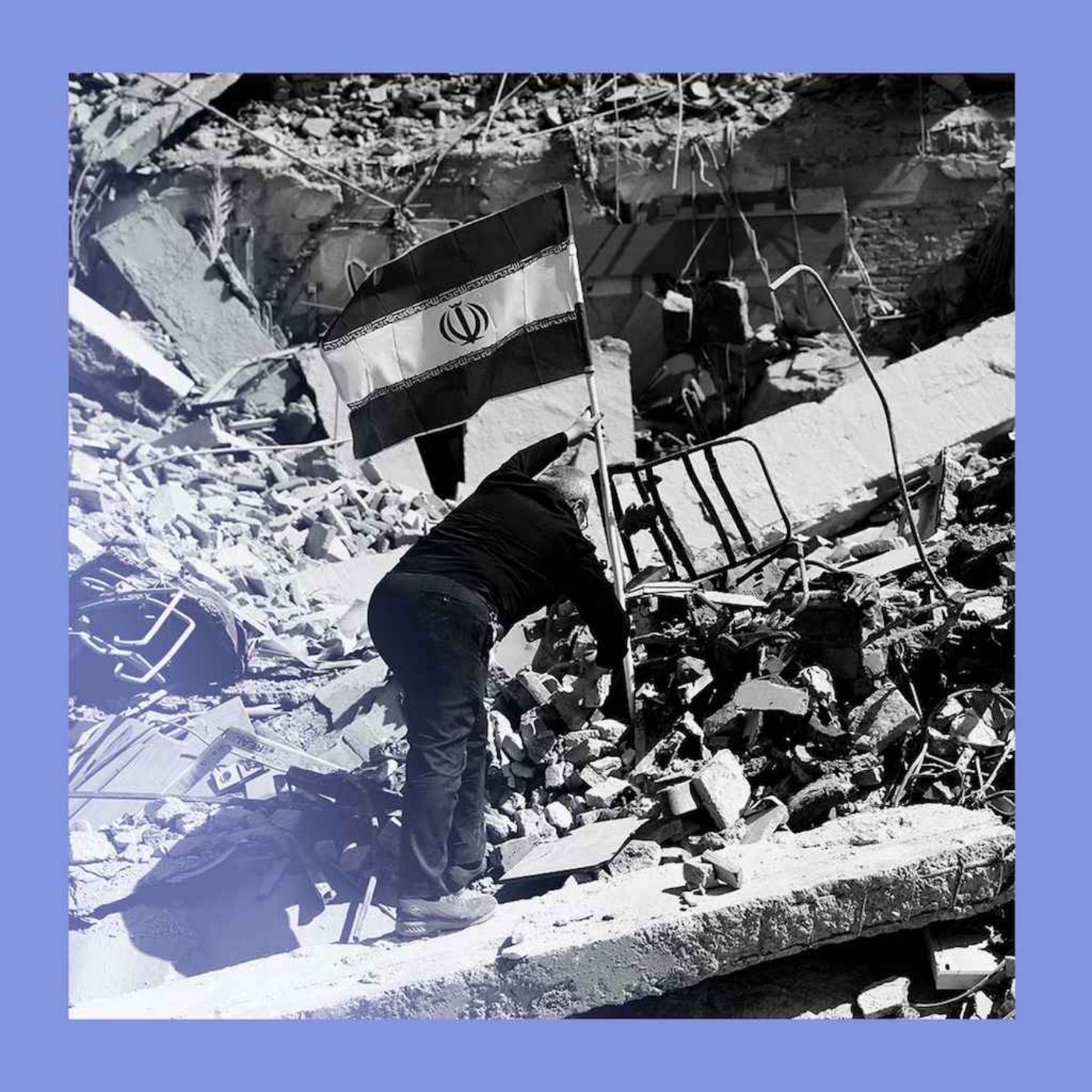
President Trump and his administration are sending contradictory signals on the Iran conflict, simultaneously claiming it is 'very complete' while also preparing for further action. This inconsistency confuses markets and allies, pointing to a severe lack of a coherent and unified strategy within the administration.
A government's inability to answer basic questions like "Why now?" during a military action is perceived as incompetence. This defensive communication signals a lack of conviction to adversaries, encouraging them to simply endure until American political will collapses.

The US and Israel are operationally successful in degrading Iran's military capabilities. However, leadership has failed to articulate a coherent strategic objective for the war, making it difficult to define victory or know when the conflict will end.
Adversaries struggle to predict US actions because the Trump White House's decision-making resembles a chaotic royal court, not a formal process. Intelligence agencies must monitor informal channels like Fox News and golf partners, making strategic intent dangerously unreadable.

Trump simultaneously suggests the war is nearly complete to reassure investors and threatens "death, fire and fury" to deter adversaries. This is not confusion, but a deliberate dual-messaging strategy to manage both economic fallout and geopolitical posturing, targeting different audiences with different messages.