Get your free personalized podcast brief
We scan new podcasts and send you the top 5 insights daily.
The iconic "bullet time" effect in 'The Matrix' required hundreds of specialized cameras on a green screen. Atlas can achieve a similar result—freezing time while the camera moves—using just three iPhones, with no studio, green screen, or complex calibration.

Related Insights
Unlike video models that generate frame-by-frame, Marble natively outputs Gaussian splats—tiny, semi-transparent particles. This data structure enables real-time rendering, interactive editing, and precise camera control on client devices like mobile phones, a fundamental architectural advantage for interactive 3D experiences.

Traditional 3D reconstruction requires hundreds of "dense" photos to capture a space. Atlas can generate a complete, high-fidelity 3D environment from a "sparse" input of just a few images, achieving a 50-100x reduction in data requirements.
Hollywood has been losing film productions to cheaper locations. AI-powered visual effects could slash costs by eliminating the need for on-location filming. This could make shooting in Los Angeles economically viable again, sparking a resurgence for the city as a production hub.
A major hurdle in robotics is the laborious collection of real-world training data. Atlas accelerates this by creating high-fidelity simulations from sparse real-world images ("real-to-sim"), enabling rapid training and randomization of robotic policies without extensive data capture.
To truly evaluate a video AI's capabilities, developers should test its performance on complex temporal tasks. This includes analyzing rapid scene changes for context-switching ability and tracking the precise order of events for temporal accuracy.
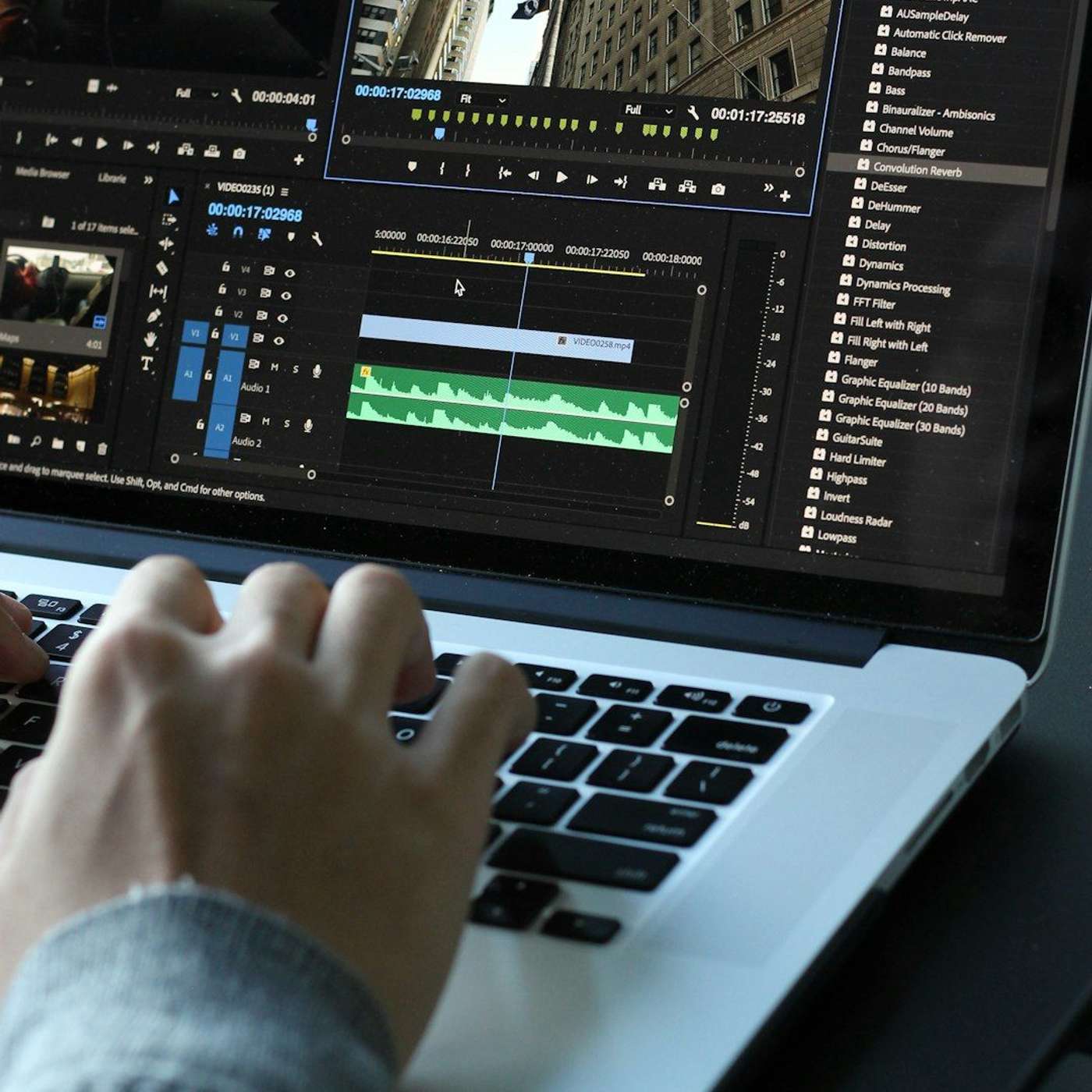
YouTuber Markiplier built a render farm in his bathroom to handle complex visual effects for his film. This move to bring computationally intensive post-production in-house allows creators to bypass slow, expensive, and miscommunication-prone international VFX vendors, demonstrating a decentralization of high-end media production capabilities.

For the first time, Atlas combines the traditionally separate fields of creative pixel generation (like text-to-video) and precise 3D reconstruction into one architecture. This dual capability allows it to both imagine and accurately map physical spaces.
Atlas is built on predicting the next view from any camera angle, a fundamentally different primitive than the next-token prediction of LLMs or the next-frame prediction of video models. This approach enables true spatial reasoning and understanding.
Create an interactive 'gyroscope' effect for physical products without complex software. On a newer iPhone, add cutout images of products around yourself in a photo. Then, use the built-in 3D photo mode and screen-record your phone's movement to generate a dynamic video that simulates a 3D space, perfect for engaging carousels.

Despite Fable 5.1's impressive capabilities, the release of WorldLab's Atlas—a model that generates video with pixel-perfect camera control and reconstructs 3D scenes—captured significantly more excitement. This suggests the next frontier capturing developers' imaginations may be in multimodal world simulation, not just better text generation.
