Get your free personalized podcast brief
We scan new podcasts and send you the top 5 insights daily.
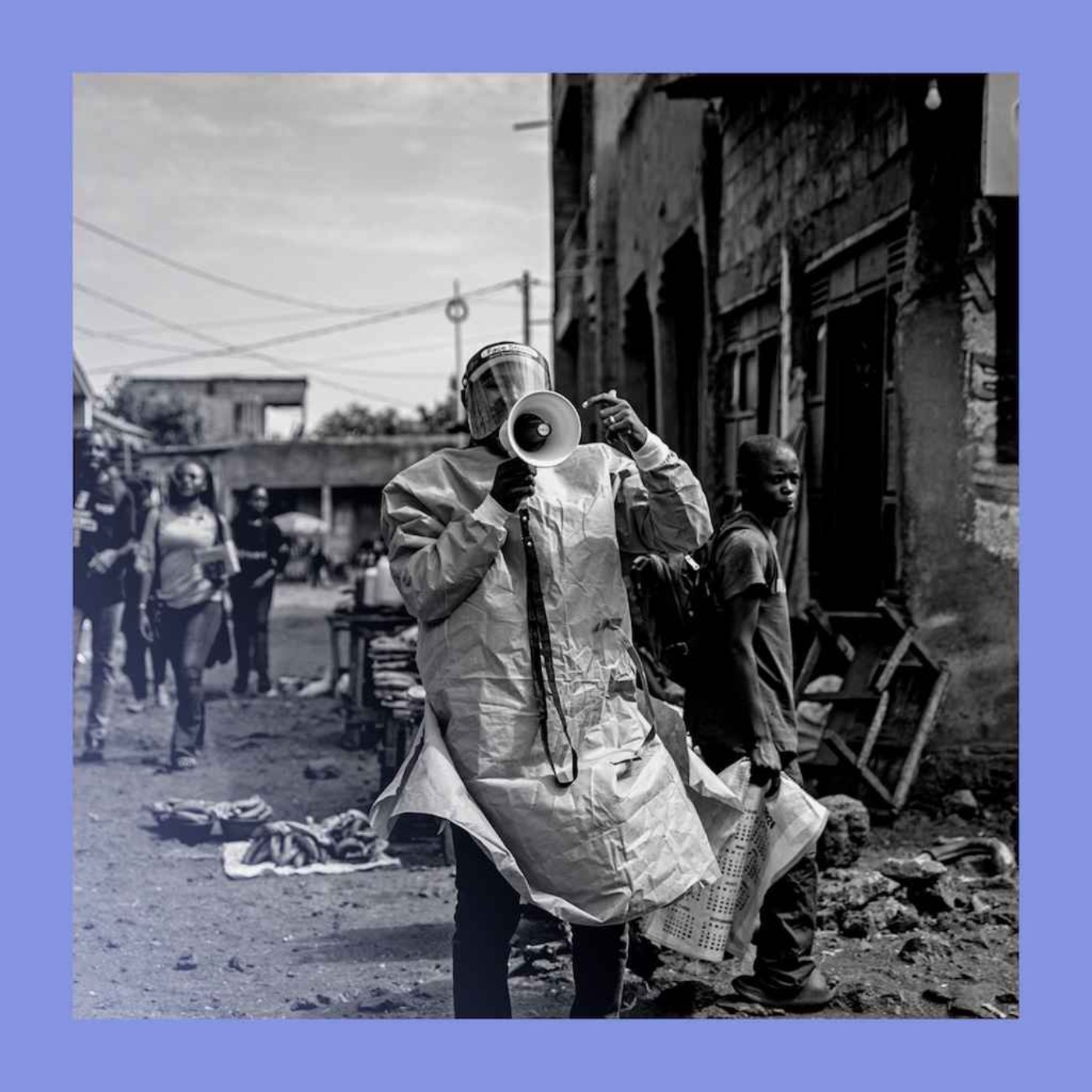
Pritzker recalls that during COVID Illinois had no statewide system showing available hospital beds by region. His team worked 18-hour days, ran emergency procurement for masks and ventilators, and learned on the fly while building the response organization. He says hiring strong people proved essential.

Related Insights
Judging government actions during a crisis (like 2008 or COVID) with hindsight is misleading. Decision-makers must act with speed and incomplete information, opting for broad, imperfect solutions. While these may appear wasteful or poorly targeted later, they are often the only viable options under extreme pressure.

Pritzker says Illinois must stay 'somewhere in the ballpark' on incentives or companies won't even consider it. Instead of only writing checks, he offers a concierge to walk companies through permits, which he says cuts bureaucracy without lowering standards and protects state revenue. He says states are competing whether they like it or not.
Pritzker says he starts by asking which decisions only he can make, then forces debate before choosing. He describes himself as 90% sure he's right but 10% likely to be dead wrong, so he hires people stronger than him in areas he doesn't know. He wants input first.
Pritzker replaced 26 direct reports with four deputy governors plus a chief of staff and general counsel. He grouped health and human services under one deputy to force departments to talk, because he says agencies build walls and fear losing control or jobs when they collaborate.
Pritzker says his AI cabinet pairs technical experts with agency leaders and includes emergency management and state police. The goal is to discuss privacy, safety and efficiency together, rather than chasing efficiency alone before the state understands AI's dangers. He deliberately avoids plunging headlong and says experts come from universities.
Pritzker says he wrote a script flattering Trump before asking for 2 million N95 masks and 4,000 ventilators during COVID. He says Trump promised but never delivered, forcing Illinois to compete with other states and improvise emergency procurement. He kept the script and says the episode proved hiring mattered.
The key public health failure during the pandemic was not initial uncertainty, but the systemic inability to execute rapid experiments. Basic, knowable questions about transmission, masks, and safe distances went unanswered because of a failure to generate data through randomized trials.
Governor Pritzker reflects that his tenure has been defined by relentless crises, including budget emergencies, the COVID pandemic, a migrant crisis, and conflict with the federal government. He calculates that only eight months of his six and a half years in office were "precedented," highlighting that constant crisis management is the new reality for state leaders.

The primary obstacle preventing healthcare from using its data is not technology but the scarcity of professionals possessing deep expertise in both medicine and data science. This talent gap is the root cause of issues like data silos and complexity, as effectively working with the data requires understanding both domains.
Effective epidemic response requires a coordinated system across three areas: logistical field operations (testing, isolation), political will (funding, governance), and scientific innovation (vaccine development). A failure in any one of these distinct fronts cripples the entire effort to contain a disease outbreak.