Get your free personalized podcast brief
We scan new podcasts and send you the top 5 insights daily.
While generative AI provides rapid synthesis and information formatting, delegating original thought to machines carries deep cognitive risks. Just as individuals lose the ability to perform mental arithmetic when relying entirely on calculators, investors who offload thinking to AI risk atrophying their analytical faculties. AI should serve as an administrative shortcut, not a substitute for rigorous intellectual deduction.

Related Insights
Using generative AI to produce work bypasses the reflection and effort required to build strong knowledge networks. This outsourcing of thinking leads to poor retention and a diminished ability to evaluate the quality of AI-generated output, mirroring historical data on how calculators impacted math skills.
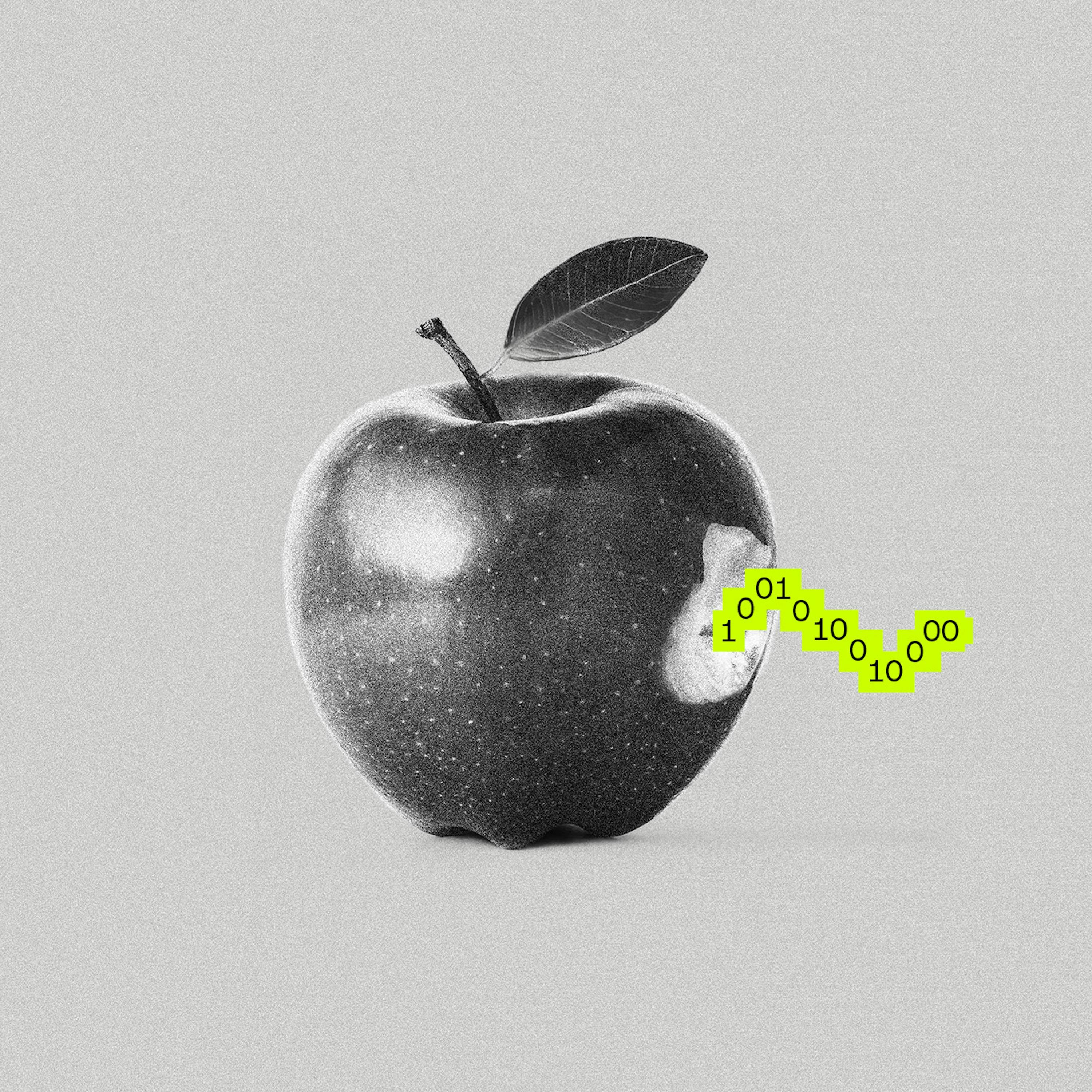
The primary danger of AI isn't job replacement but the atrophy of human judgment. As we increasingly outsource critical thinking and decision-making to automated systems, our own cognitive skills weaken, making us less effective and more dependent on the technology.

Constantly using AI for initial drafts can erode your ability to start from a blank page. Your brain's 'first-principles' problem-solving muscle weakens, and you risk becoming merely an editor of AI output rather than a true originator of ideas.

An investment team intentionally prohibits using AI to draft the core thesis of an investment memo. The act of thinking through and articulating the risks, potential pitfalls, and core bets is a crucial part of the human investment process that should not be outsourced to a machine.

Over-reliance on AI for reasoning could lead to a decline in human critical thinking, a phenomenon termed 'cognitive atrophy.' Product designers have a responsibility to build tools that augment and empower human reasoning rather than completely replacing it, preserving essential skills for the future workforce.

The "use it or lose it" principle applies to cognition. Over-reliance on AI to think for us will atrophy those skills. Since getting value from AI requires asking good questions, outsourcing our thinking means we'll no longer be capable of using the tool effectively, making it a costly path to generic outcomes.

Like abundant dietary calories causing metabolic harm when self-control fails, unfettered access to automated intelligence can lead to cognitive atrophy if individuals passively offload thinking. Using AI simply to evade difficult cognitive tasks reduces individual capabilities. To build true operational competence, individuals must actively challenge AI outputs from first principles and treat models as thinking partners rather than intellectual escape hatches.

While AI can accelerate tasks like writing, the real learning happens during the creative process itself. By outsourcing the 'doing' to AI, we risk losing the ability to think critically and synthesize information. Research shows our brains are physically remapping, reducing our ability to think on our feet.
Outsourcing cognitive tasks like summarizing a document isn't just a time-saver; it's skipping the mental exercise of discerning what's important. Repeatedly delegating this work weakens your judgment "muscle," as you stop forming your own well-reasoned opinions and critical viewpoints.

The primary risk of AI isn't just incorrect output, but that users abdicate their own critical thinking. Effective use requires actively debating the AI and seeking disconfirming evidence. Simply accepting its output as an oracle leads to cognitive decline and poor decision-making.
