Get your free personalized podcast brief
We scan new podcasts and send you the top 5 insights daily.
Despite promising data, Sana's CEO provides a sober timeline for their type 1 diabetes cell therapy. While clinical proof-of-concept ("does it work?") is expected within 12-18 months, even a "super optimistic" commercial launch would not happen until later this decade. This highlights the lengthy process of scaling manufacturing and navigating regulatory pathways.
Related Insights
For early-stage MedTech startups, key milestones for investors are not just regulatory successes. They are fundamental proofs of concept—showing the device works in a model and demonstrating how it would function in a clinical setting. This builds an investor's vision of the product's future.
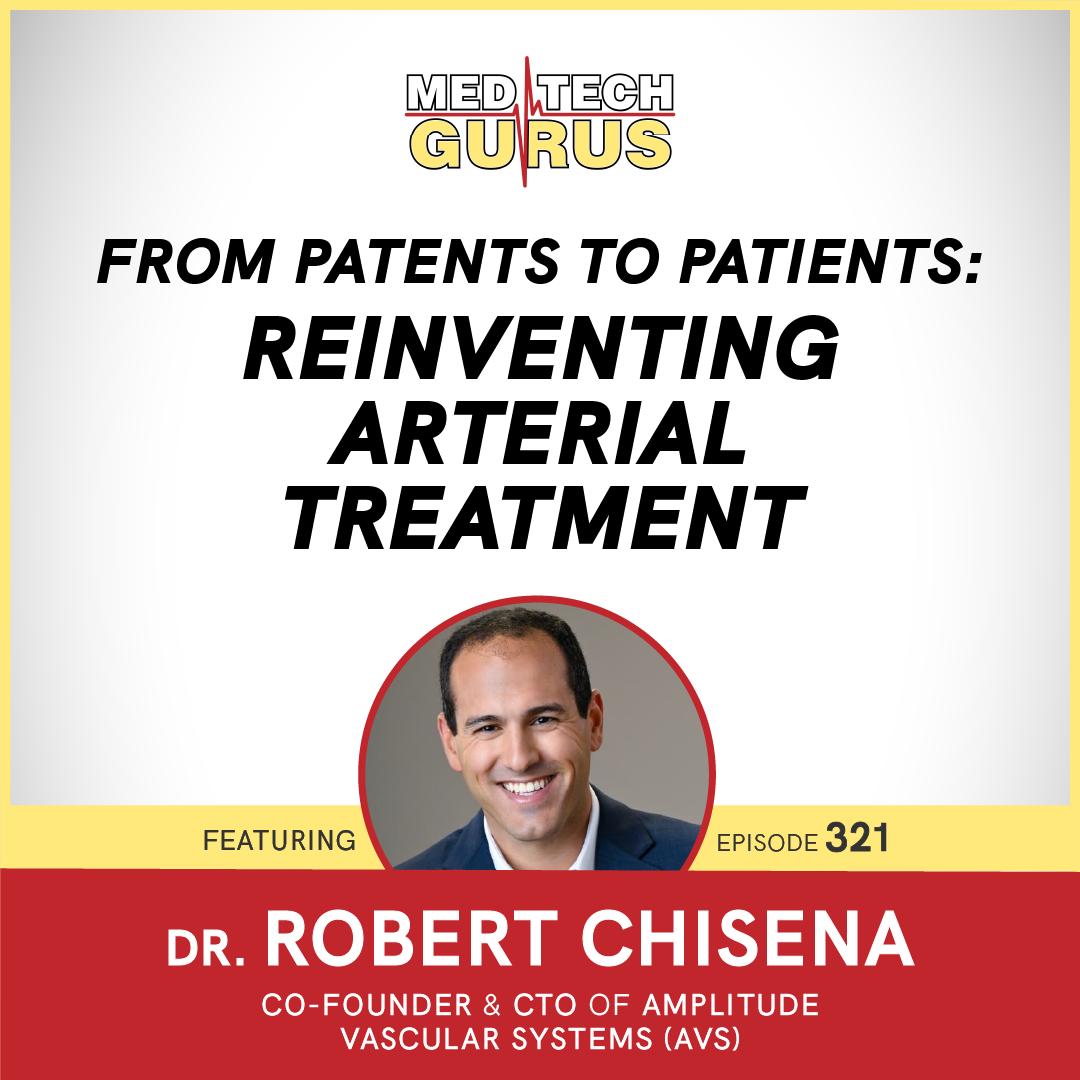
While the CEO of Transgene aspires to launch their product independently in Europe, he acknowledges the immense cost of a Phase 3 trial. A partnership with a large pharmaceutical company is viewed as the most realistic "best case scenario" to accelerate development and de-risk the final, most expensive stage.
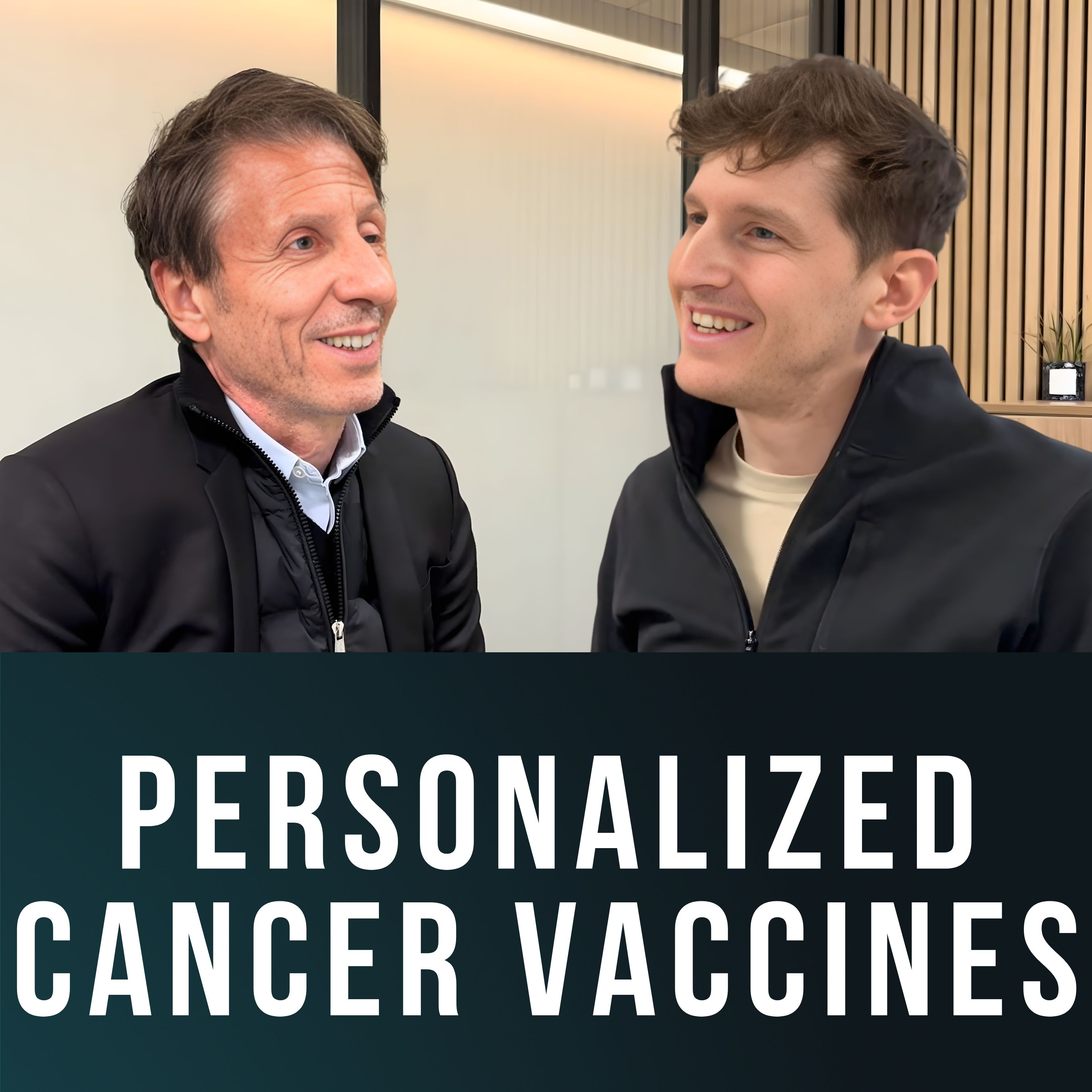
Sana CEO Steve Harr actively questions whether the company's groundbreaking science can translate into a scalable, commercially viable therapy. This internal pressure focuses the team on solving not just the scientific challenges ("does it work?"), but also manufacturing ("can you scale it?") and the commercial model required for a true cure.
The focus in advanced therapies has shifted dramatically. While earlier years were about proving clinical and technological efficacy, the current risk-averse funding climate has forced the sector to prioritize commercial viability, scalability, and the industrialization of manufacturing processes to ensure long-term sustainability.

Launching an autologous cell therapy is complex, involving a nephrologist, a biopsy doctor, and an interventional radiologist. ProKidney's CEO notes success requires standardizing this process to ensure a seamless, best-in-class experience for both the patient and all involved providers, which may mean a slower, more deliberate initial rollout.
Timing a key data readout is critical for a newly public biotech. A readout in under three months is too soon, as investors will simply wait for the results before buying. Waiting longer than a year risks losing market relevance. The optimal window to maintain momentum is 6-12 months post-IPO.
The CEO frames commercial readiness not as a future state post-approval, but as a current identity. This mindset emphasizes that building the team, strategy, and infrastructure for a launch is a multi-year process that defines the company's present operations, not just its future ambitions.
Drug development can take a decade, a timeframe that misaligns with typical investor horizons and employee careers. Success requires navigating fluctuating capital market cycles and implementing strategies to retain key scientific talent for the long haul.
The gene therapy field is maturing beyond its initial boom-and-bust cycle. After facing the reality that it isn't a cure-all, the industry is finding stable ground. The future lies not in broad promises but in a focused approach on therapeutic areas where the modality offers a clear, undeniable advantage.

The path for biotech entrepreneurs is a long slog requiring immense conviction. Success ("liftoff") isn't just a clinical trial result, but achieving self-sustaining profitability and growth. This high bar means founders may need to persevere through years of market indifference and financing challenges.