Get your free personalized podcast brief
We scan new podcasts and send you the top 5 insights daily.
Shift the brand mindset from a collection of channels (YouTube, newsletter) to a holistic experience that customers can engage with across different mediums. HubSpot Media, for example, envisions turning a podcast like "My First Million" into a large-scale, in-person event.

Related Insights
Shifting the content team's mindset from a "marketing function" to an in-house "media company" prioritizes audience entertainment and value over product stories. This builds a genuine audience first, mirroring successful B2C media models, which can then be monetized.
Popcast treats each interview as a suite of products, not a single episode. A conversation becomes a long-form YouTube video, an audio podcast, a print article, and numerous social clips. This strategy maximizes reach by hitting different audience segments on their native platforms.

Brands should distinguish between 'experiential marketing' (often one-off events) and 'experiential media.' The latter is scalable, multi-sensory, and integrates the rigor of digital measurement with physical world interactions. Its goal is to change long-term customer behavior, not just create a momentary impression.

Don't just treat other channels as spokes for a central email list. Instead, build a multi-channel network where email, YouTube, SMS, and other platforms all point to each other. This creates a resilient web that captures and retains audience members across their preferred platforms.
To operate like a media company, HubSpot mirrors their org chart. It has a Content division for creation, a Monetization engine for conversion (lead magnets, CRO), and an Audience Development team for growth (paid/organic, creator network), creating clear accountability for each stage of the funnel.
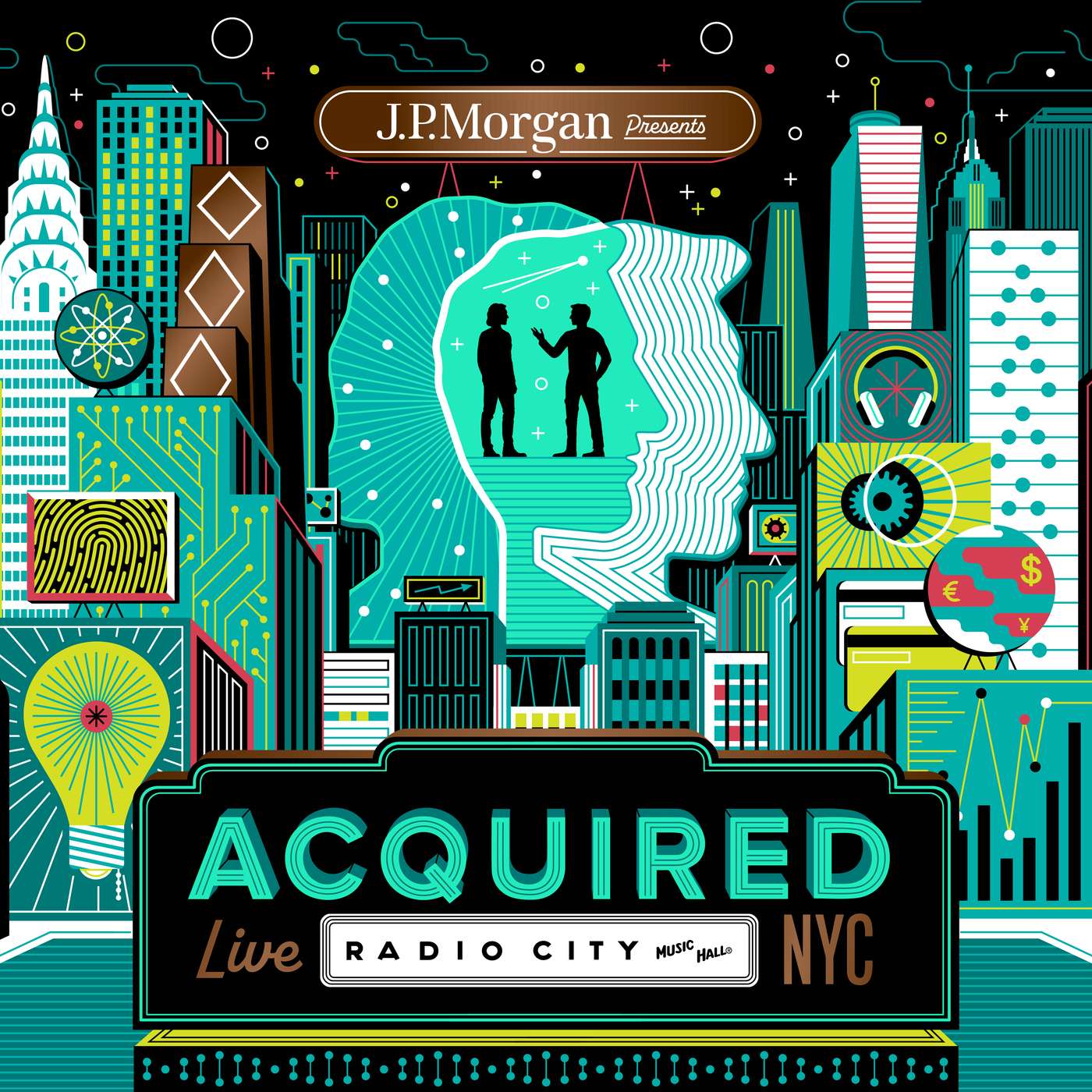
Acquired strategically curates guests like Jamie Dimon and Barry Diller for live events, framing it as a 'cinematic universe' of iconic leaders. This narrative transforms a podcast into a larger media property, creating a cohesive brand world for its audience.
Move beyond siloed channels. A modern, high-impact marketing engine integrates four key areas: experiential events generate content for organic social, influencers amplify that content, and PR provides third-party validation. These elements work together to create a powerful, self-reinforcing flywheel.
The company operates on the premise that a B2B software purchase requires approximately 29 distinct touchpoints across multiple decision-makers. This belief justifies its massive investment in being present across all channels—podcasts, video, newsletters—to ensure it consistently influences the lengthy buyer journey.

Unlike the traditional view of content as either top-funnel (brand) or bottom-funnel (conversion), HubSpot strategically positions its media like The Hustle in the "mid-funnel." This allows a single asset to generate broad brand awareness while simultaneously converting high-quality sales leads.
The company focuses on being present in potential customers' lives during the 95% of the year they aren't making a purchasing decision. This content-led approach, described as "a form of inception," builds brand affinity and ensures HubSpot is top-of-mind when the buying window finally opens.