Get your free personalized podcast brief
We scan new podcasts and send you the top 5 insights daily.
Unlike the typical venture-backed narrative, Tim Mack's primary goal is not hyper-growth or a massive exit. Instead, he focuses on building a sustainable business that ensures long-term stability for his employees, prioritizing durability and mission over risky, high-growth strategies.

Related Insights
Founders who focus only on the exit as their goal often feel empty after achieving it. The journey is like hiking: you must enjoy the process, not just the brief moment at the peak. Real fulfillment comes from improving at the craft of entrepreneurship—managing people, process, and vision.

This mental model forces founders to decide on their goal. "Kings" chase venture capital, fame, and rapid growth, often sacrificing equity and control. The "Rich" quietly bootstrap, retaining ownership and focusing on long-term profitability over public recognition.

Forget the unicorn obsession. Focus on building an “elephant”: a durable company defined by three traits. 1) Community Obsessive (customers are “members”). 2) Purpose-Driven (changing an industry, not adding a feature). 3) Building in Public (founder is the face). This framework prioritizes resilience and cult-like followings over vanity metrics.

Despite having sold multiple companies, founder Scott Davis's core philosophy is to build a business as if he will own it forever. He argues that focusing on an exit is a "perverse" mindset that distracts from the primary goal: providing genuine, sustainable value to customers, which is the ultimate driver of a company's worth.

Many founders who successfully exit their companies feel depressed and unfulfilled, realizing their best idea is behind them. The alternative is to reject the exit-focused mindset and commit to building a durable, lifelong business, finding satisfaction in the infinite game.
Emma Grede warns against the belief that only billion-dollar unicorns are valid businesses. She champions smaller companies that provide a great lifestyle, employ community members, and offer personal fulfillment—a more attainable and equally valid form of entrepreneurship.

Chasing top-line revenue often leads to unsustainable growth and eventual collapse. Focusing on the bottom line (profitability) ensures the business is healthy, reduces founder stress, and provides the financial stability to create a better work environment and culture for employees.

Venture capital can create a "treadmill" of raising rounds based on specific metrics, not building a sustainable business. Avoiding VC funding allowed Donald Spann to maintain control, focus on long-term viability, and build a company he could sustain without external pressures or risks.
Founder Peter Daring deliberately avoids outside investors to protect Peak Design's core mission: for employees to live "happy and meaningful lives." This employee-forward culture is prioritized over the growth-at-all-costs pressure that comes with external capital, shaping every business decision.
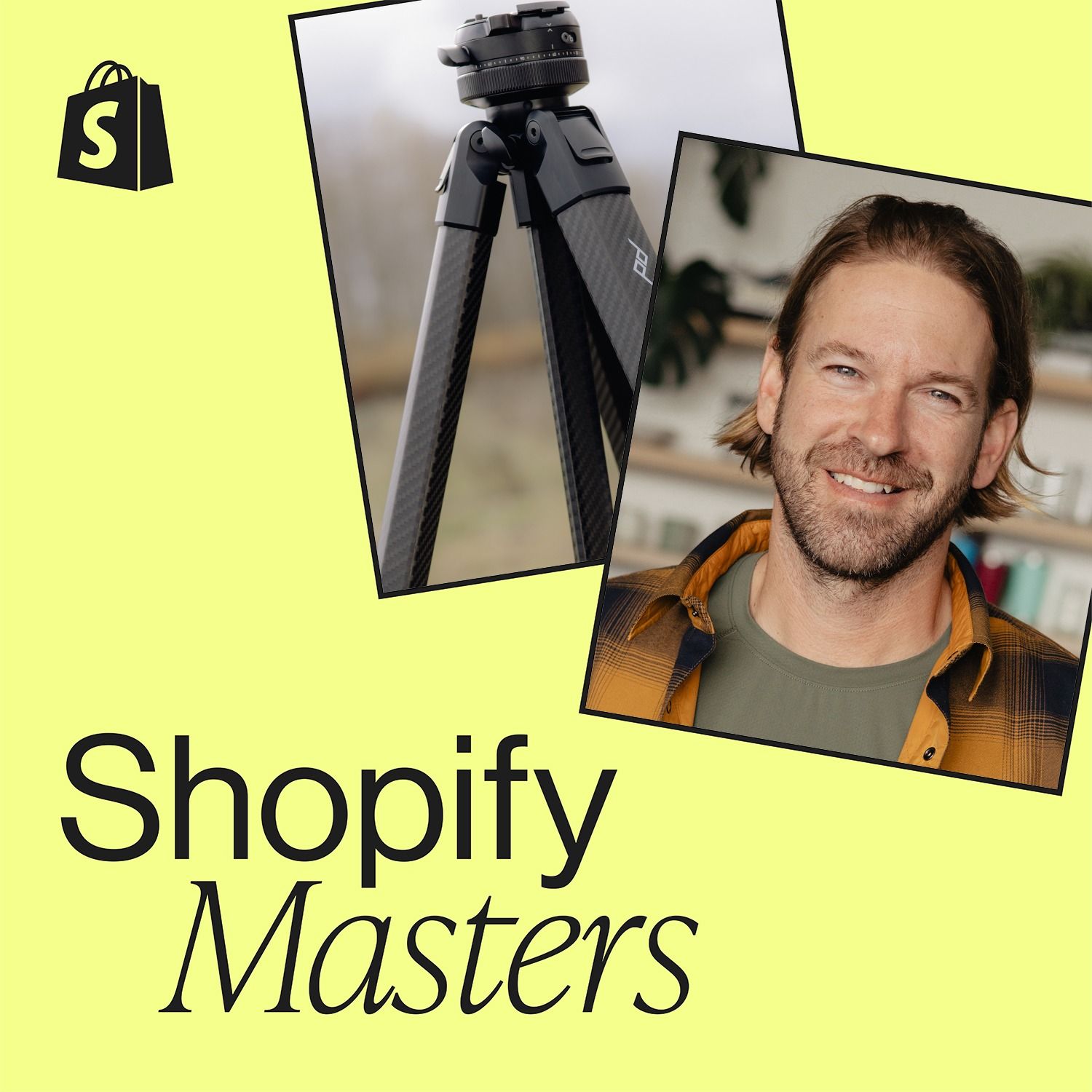
For sole owner Peter Daring, the purpose of profit isn't endless expansion but creating a buffer for stability and peace of mind. After meeting his personal financial needs, he prioritizes running a sustainable business where he and his team can feel secure, rather than chasing maximum returns for external stakeholders.