Get your free personalized podcast brief
We scan new podcasts and send you the top 5 insights daily.
The documentary on extreme athlete Dean Potter reveals a counterintuitive lesson: focusing on competition limits performance and can be destructive. True breakthroughs come from channeling energy into the pure experience of an activity, what he called "seeking beauty."

Related Insights
Pro golfer Greg Norman's motivation for endless practice wasn't just winning, but chasing the rare feeling of a "perfect" shot, which he claims is better than an orgasm. He considered a round with just 3-5 perfect shots a success. This highlights the power of intrinsic, feeling-based rewards in achieving mastery.

Sustained excellence comes from a "mastery motivation"—a love for the craft itself. Those with an "ego orientation," who use their work as a vehicle for external validation like money or status, invariably burn out.
High-achievers who pursue grueling endurance challenges are often driven less by a love for the 'grind' and more by a profound curiosity. The core motivation is an intrinsic desire to understand the experience and discover their own limits, without fear of the difficulty itself.

While we often associate peak experiences with freedom, profound focus and transcendence can also be achieved through intense limitation. Running around the same city block for 3,100 miles forces mental escape and deeper meditation, fostering a unique form of excellence that is otherwise unattainable.

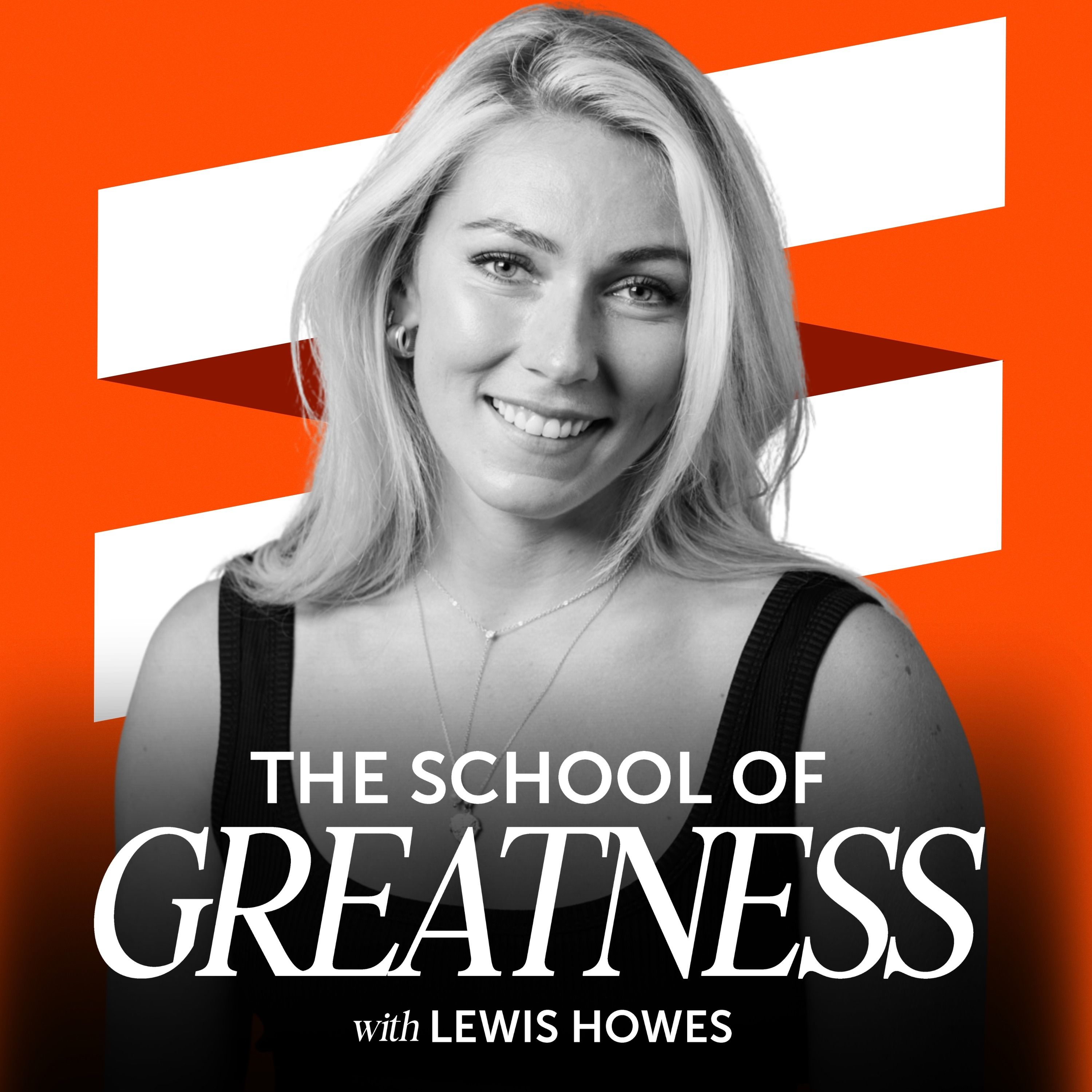
Shiffrin reveals a critical paradox in her mental game: focusing on the outcome (winning the race) almost guarantees she will lose. To win, she must focus exclusively on the process—the intensity of her skiing and executing the next turn perfectly.
The true source of fulfillment for high achievers isn't the final victory, which is fleeting. It's the daily engagement with the process—the problem-solving, the learning, the striving. Happiness is found in the pursuit itself, not the moment the outcome is reached.

Facing the finitude of life can pivot your motivation system. Instead of chasing external rewards like money or status, which seem meaningless in the face of death, you become driven by an intrinsic desire to discover the absolute ceiling of your capabilities.

Kobe Bryant framed his performance not as winning or losing, but as an opportunity to "figure things out." This curiosity-driven mindset relieves pressure, anchors you in the present, and makes it possible to enter a flow state, proving more sustainable than fixating on outcomes.

The state of "one-pointedness," an extreme focus on a single object, can generate surprising physical energy and mental resilience. This was demonstrated by Arnold Van Den Berg's father, who survived a death march by focusing solely on moving his legs, a precursor to the modern psychological concept of "flow."

Many people enter a craft for ego-based reasons like praise or attention. However, this motivation is often shallow and leads to burnout. Those who achieve mastery are driven by a deeper, more sustainable intellectual curiosity and the "thrill of the chase."