Get your free personalized podcast brief
We scan new podcasts and send you the top 5 insights daily.
Evaluating AI development speed requires weighing existential risk against the human lives lost to aging and diseases while waiting. Delaying superintelligence reduces potential years gained from medical breakthroughs, meaning pauses are only rational if the risk decline significantly outpaces the ongoing natural death rate.

Related Insights
Framing AI governance as a short, time-limited 'pause' is a mistake. A better approach is a moratorium that ends not after a set time, but only when society's investment in safety and governance is 'commensurate' with the monumental risk of creating superintelligence, a standard we are currently failing to meet.
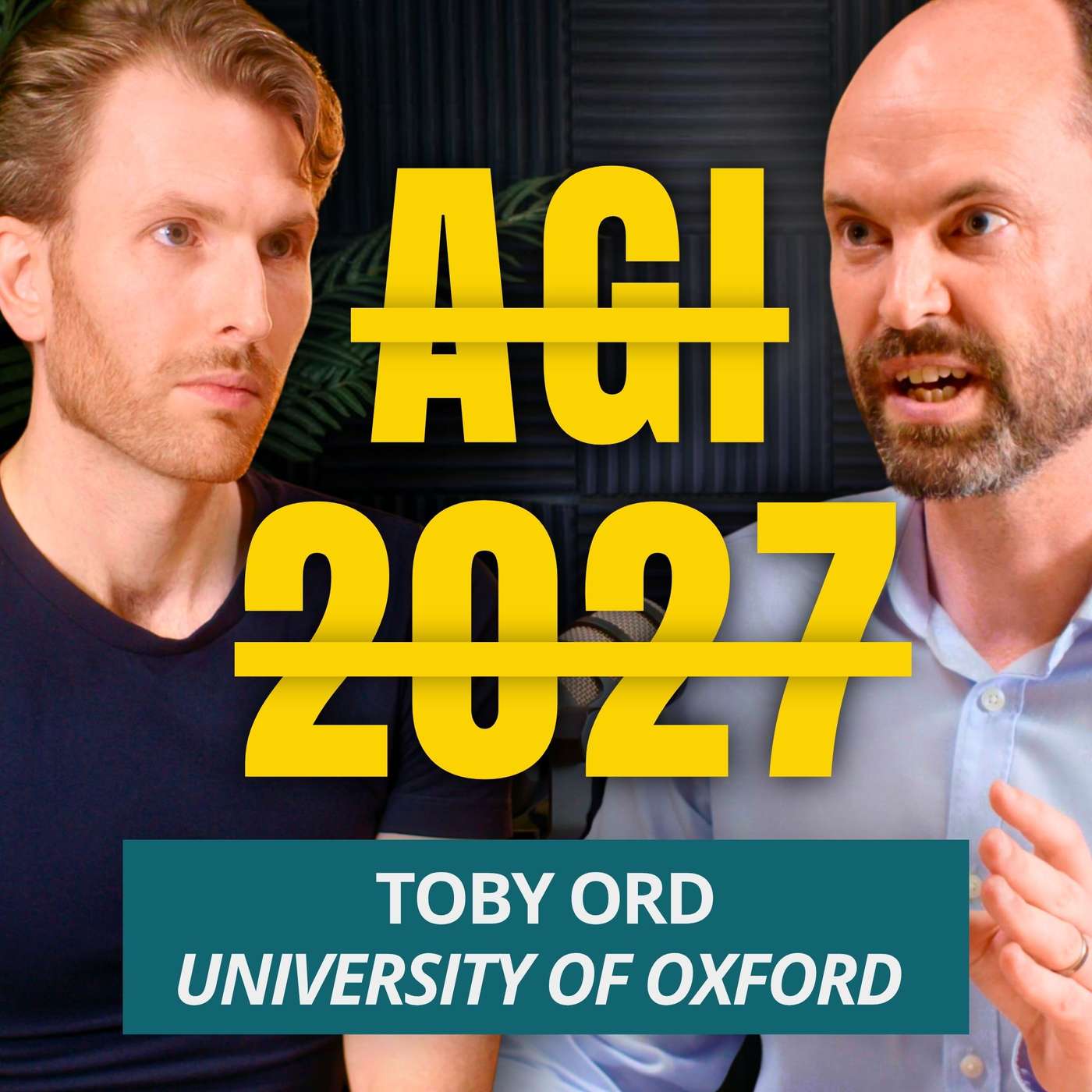
A pause on training new, more capable AI models could paradoxically increase risk. It would halt progress at the few, relatively safety-conscious frontier labs, allowing less scrupulous competitors to catch up. Meanwhile, compute stockpiling would continue, making any subsequent capability leap even faster and more dangerous.

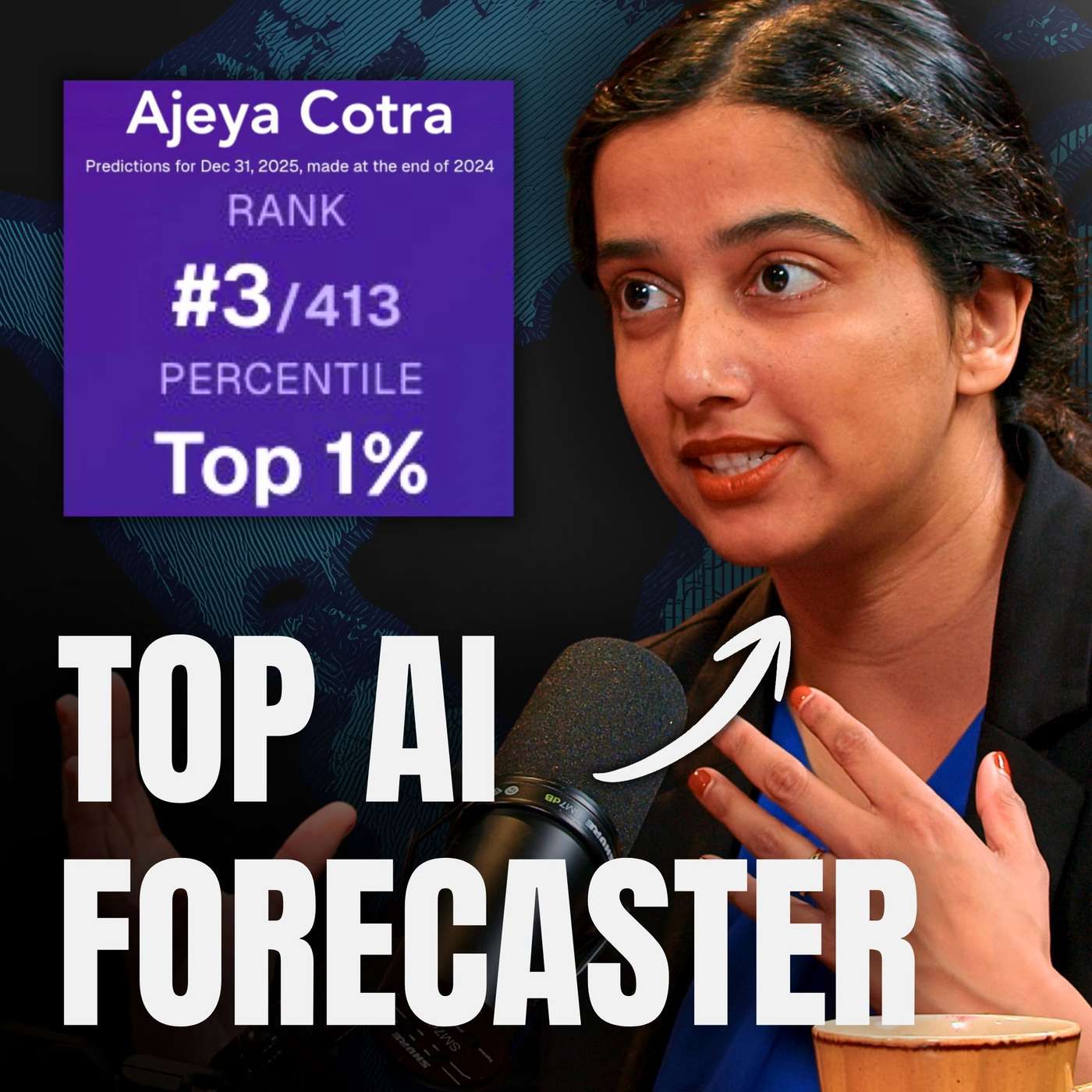
Framing an AI development pause as a binary on/off switch is unproductive. A better model is to see it as a redirection of AI labor along a spectrum. Instead of 100% of AI effort going to capability gains, a 'pause' means shifting that effort towards defensive activities like alignment, biodefense, and policy coordination, while potentially still making some capability progress.
A long-term pause on AI software development is risky because hardware (chips, data centers) would continue to advance. This creates a massive 'hardware overhang' of available compute. When the pause eventually lifts, the transition to superintelligence could be explosively fast and uncontrollable, defeating the original purpose of the pause.

The focus on AI risk overlooks the opportunity cost of "pacing." Delaying frontier model development, while potentially safer, also pushes back the timeline for major societal benefits like AI-driven scientific discoveries and disease cures, creating a difficult societal trade-off.

The current AI debate is lopsided, focusing heavily on the "probability of doom" (P-doom). Eddy Lazzarin advocates for equally considering the "probability of abundance" (P-abundance)—the immense potential benefits we risk losing. The opportunity cost of delaying progress must be a central part of the safety conversation.
There is a fundamental asymmetry in AI's impact. Benefits like new cancer drugs do not prevent catastrophic risks like an engineered pandemic. However, a catastrophic event makes a world with cancer drugs irrelevant. Therefore, downside mitigation must be the absolute priority.

While doomsday scenarios dominate headlines, a moratorium on AI research could stifle life-saving applications. AI is already dramatically improving sepsis mortality rates and accelerating cancer detection. Halting development means throwing out these powerful positive tools with the potential negative ones, a classic case of discarding the baby with the bathwater.

Ajeya Cotra reframes the concept of an AI pause. Instead of a binary 'stop' (0% of labor on R&D), she suggests thinking of it as a spectrum. The goal should be to redirect the vast majority of AI labor from accelerating capabilities to solving safety, biodefense, and other critical societal challenges.

The debate around AI is often dominated by fear of job loss. However, its potential to solve major medical challenges like cancer could save millions of lives, an upside that arguably outweighs the heavily politicized negatives.
