Get your free personalized podcast brief
We scan new podcasts and send you the top 5 insights daily.
Trust is a long-duration asset. A trustworthy person becomes more "usable by the world"—attracting responsibility, capital, and goodwill. This compounding effect creates a "super node" through which value flows freely, generating extraordinary and unpredictable positive outcomes.

Related Insights
Being a good person in business isn't just a moral choice; it's a long-term strategy. Over decades, a positive reputation compounds into a significant competitive advantage, generating trust and opening doors to major business opportunities at scale.

View trust not as a soft virtue but as a tangible financial asset of immense value. Mission-driven organizations stockpile this asset, which powers their economic advantages. This value, however, also makes it a prime target for extraction by those with short-term, selfish interests.

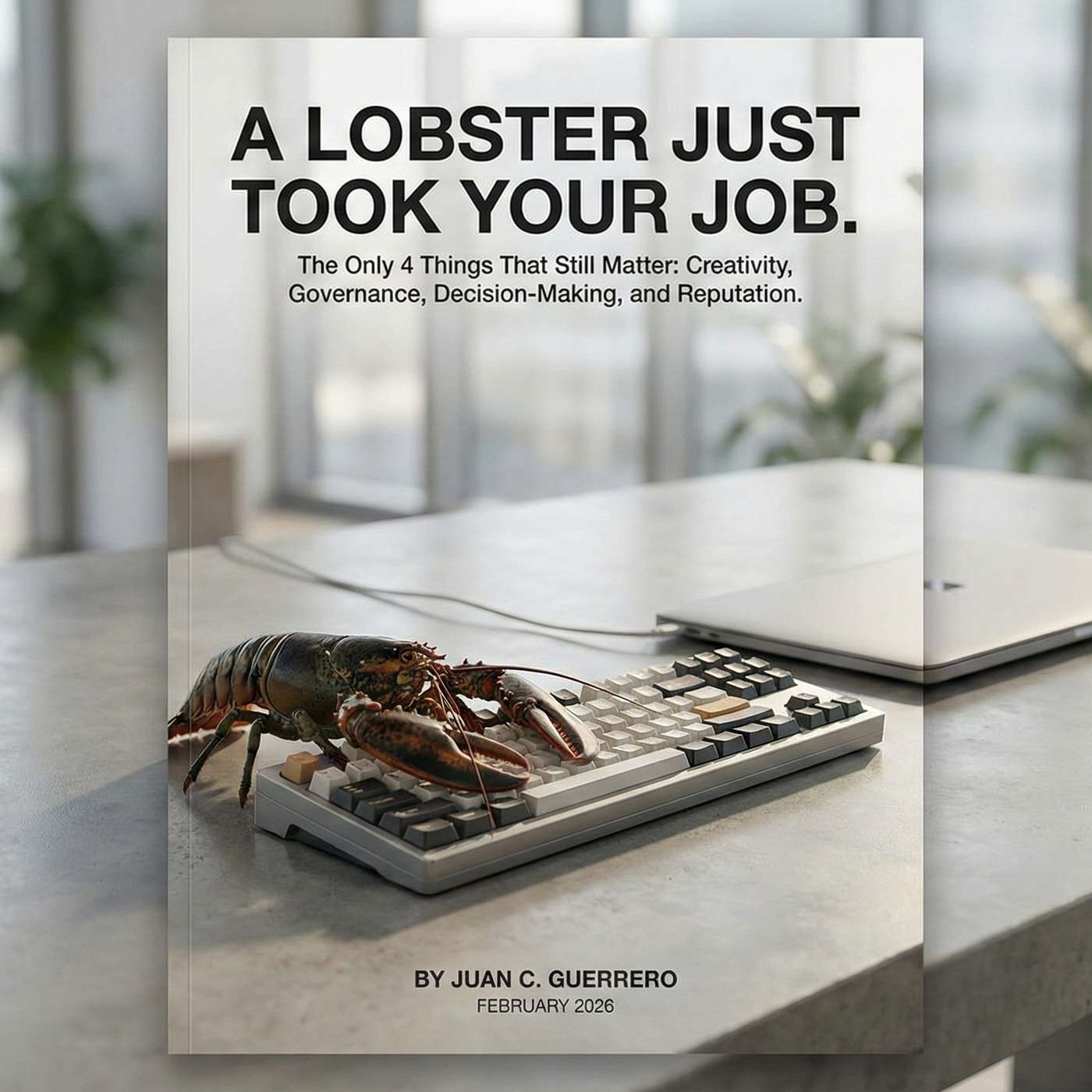
In a world saturated with AI-generated content and autonomous agents, the ability to prove one's humanness is the new foundational economic asset. A verifiable reputation, built on a track record of creativity, governance, and sound judgment, becomes more valuable than a traditional resume, serving as the essential trust anchor for all digital and economic interactions.
Compounding relationships based on great work are a superpower. They lead to "trust transfer," where satisfied partners advocate for you in rooms you aren't in. This creates powerful inbound opportunities from people who already trust you based on a strong recommendation.

Tim Ferriss's success as an angel investor was built on a reputation for discretion and trustworthiness. Founders entrusted him with confidential information, giving him access to top-tier deals. This shows that reputation is a tangible asset that can yield greater returns than direct monetization schemes.

As digital systems and AI erode consumer trust, people are hungry for authenticity. Companies that can establish and prove their trustworthiness will have a significant competitive advantage, as trust is now a scarce and powerful profit motive.

The dominant business mindset is often zero-sum and extractive. A powerful, and increasingly rare, competitive advantage is to build a system based on durable mutual benefit, trust, and generosity. This non-zero-sum approach compounds value over the long term for all participants.
Focus energy solely on building deep, trust-based relationships with exceptional individuals. Munger believed most people are "rat poison" and should be avoided, as high-quality networks prevent most problems before they happen.
A founder's credibility acts as a multiplier on the perceived value of their narrative. An entrepreneur like Elon Musk, with a track record of success, receives a "multiple expansion on trust," allowing their futuristic stories to attract capital at valuations and scales that a first-time founder could not achieve.

In a world of transactional relationships and fleeting reputations, the only reliable filter for character is time. Look for individuals who have maintained the same close team and friends for decades. This longevity is a strong signal of loyalty, integrity, and trustworthiness.