Get your free personalized podcast brief
We scan new podcasts and send you the top 5 insights daily.
View trust not as a soft virtue but as a tangible financial asset of immense value. Mission-driven organizations stockpile this asset, which powers their economic advantages. This value, however, also makes it a prime target for extraction by those with short-term, selfish interests.

Related Insights
The more successful a company becomes, the more it creates a valuable asset—trust—that becomes a tempting target for internal or external actors to exploit for short-term gain. This process of "killing the golden goose" ultimately hollows out and destroys great organizations.
Warren Buffett's reputation for honesty isn't just a moral stance; it's a core business strategy. It attracts private business owners seeking a trustworthy partner, leading to a steady flow of exclusive, high-quality acquisition opportunities that competitors never see.

Frame actions through the lens of a "culture bank." Principled decisions that involve sacrifice are deposits that build trust. Greedy, short-term moves are withdrawals. The leadership rule is to *only* make intentional deposits, as accidental withdrawals (mistakes) are unavoidable.
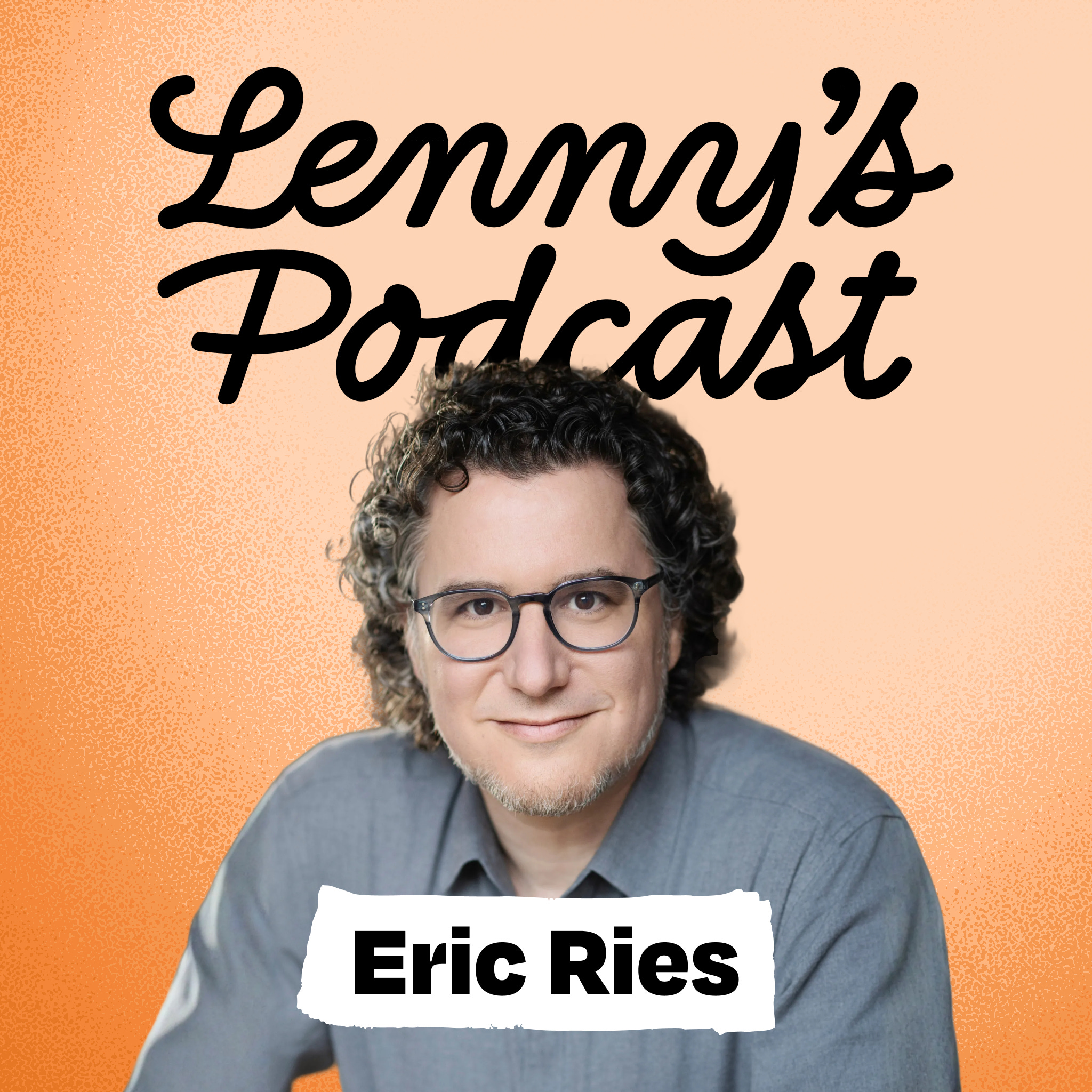
Being a good person in business isn't just a moral choice; it's a long-term strategy. Over decades, a positive reputation compounds into a significant competitive advantage, generating trust and opening doors to major business opportunities at scale.

The hosts argue that the key differentiator between a developed and developing nation isn't roads or sanitation, but the level of societal trust in its systems, such as government and markets. When this trust erodes, a nation regresses regardless of its physical wealth.
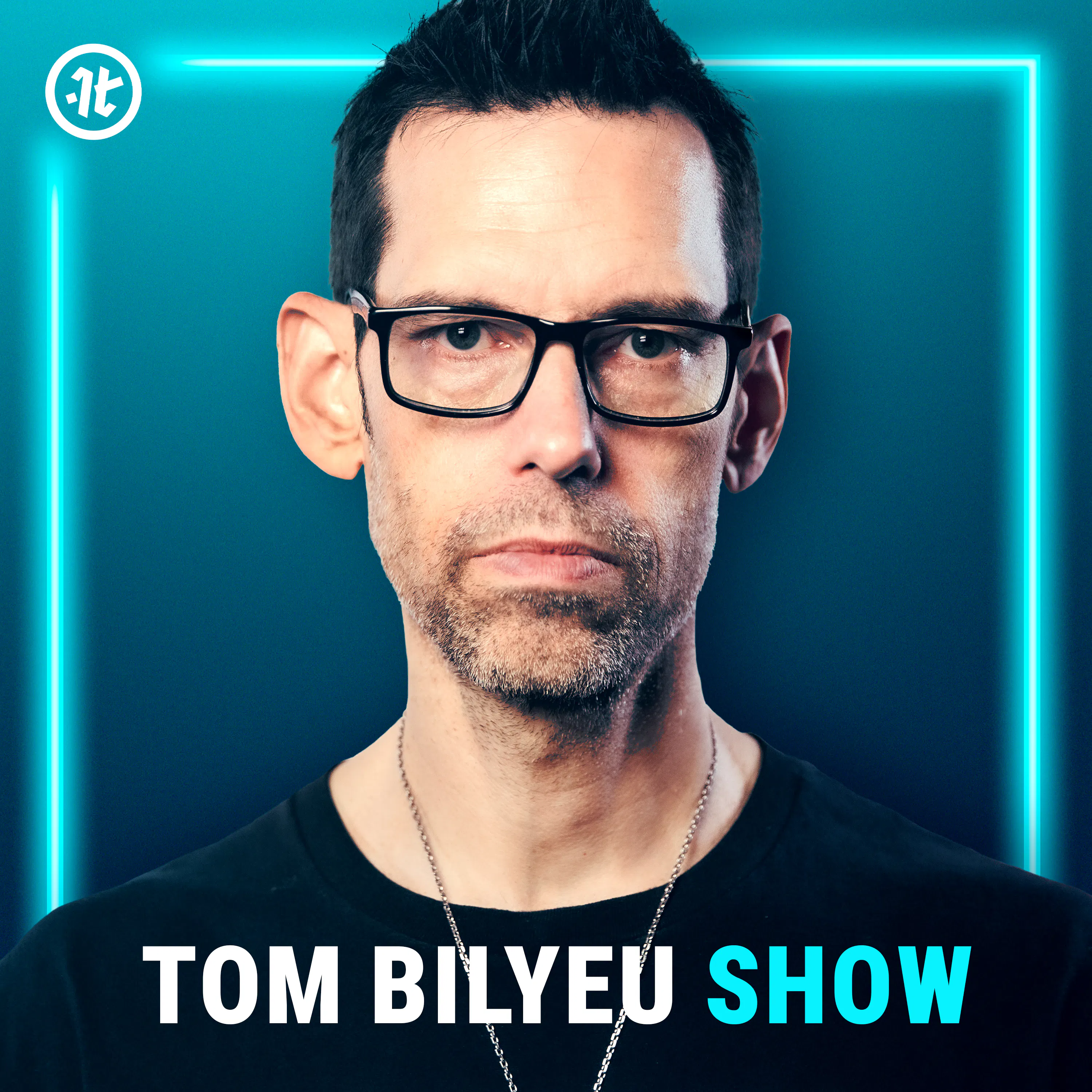
This formula suggests that in many systems, there are enough resources for everyone (abundance), but a lack of trust prevents efficient allocation, creating artificial scarcity. Therefore, scaling trust is the key to unlocking abundance in society and business, not just increasing supply.

Tim Ferriss's success as an angel investor was built on a reputation for discretion and trustworthiness. Founders entrusted him with confidential information, giving him access to top-tier deals. This shows that reputation is a tangible asset that can yield greater returns than direct monetization schemes.

As digital systems and AI erode consumer trust, people are hungry for authenticity. Companies that can establish and prove their trustworthiness will have a significant competitive advantage, as trust is now a scarce and powerful profit motive.

A cynical workplace isn't just unhappy; it's inefficient. Lack of trust leads to higher "transaction costs"—the money and time spent on excessive contracting, monitoring, and arbitrating disputes. This makes trust-based organizations inherently more efficient.

Committing to principles like quality or safety, even when costly, builds immense trust with customers and employees. This "harder" path ultimately makes business "easier" through higher loyalty, lower acquisition costs, and better alignment, creating an underrated asset.