Get your free personalized podcast brief
We scan new podcasts and send you the top 5 insights daily.
To successfully implement agentic AI, leaders should avoid a broad, fragmented rollout. Instead, pick a single, discrete go-to-market motion, such as inbound lead qualification, and allow the AI to own it completely. This focused approach ensures mastery and tangible results before expanding.

Related Insights
The "vibe go-to-market" concept allows leaders to state a strategic goal, like "find more accounts like our top customers." An agentic AI then translates this intent into a complete, automated workflow—from data analysis to campaign launch—eliminating hours of manual setup and meetings.
Don't start by asking for a budget or hiring an AI expert. The critical first step for any CRO or CMO is to roll up their sleeves, pick one tool, and personally manage the 30-day training and deployment process. This builds essential, foundational knowledge.

Begin your AI journey with a broad, horizontal agent for a low-risk win. This builds confidence and organizational knowledge before you tackle more complex, high-stakes vertical agents for specific functions like sales or support, following a crawl-walk-run model.
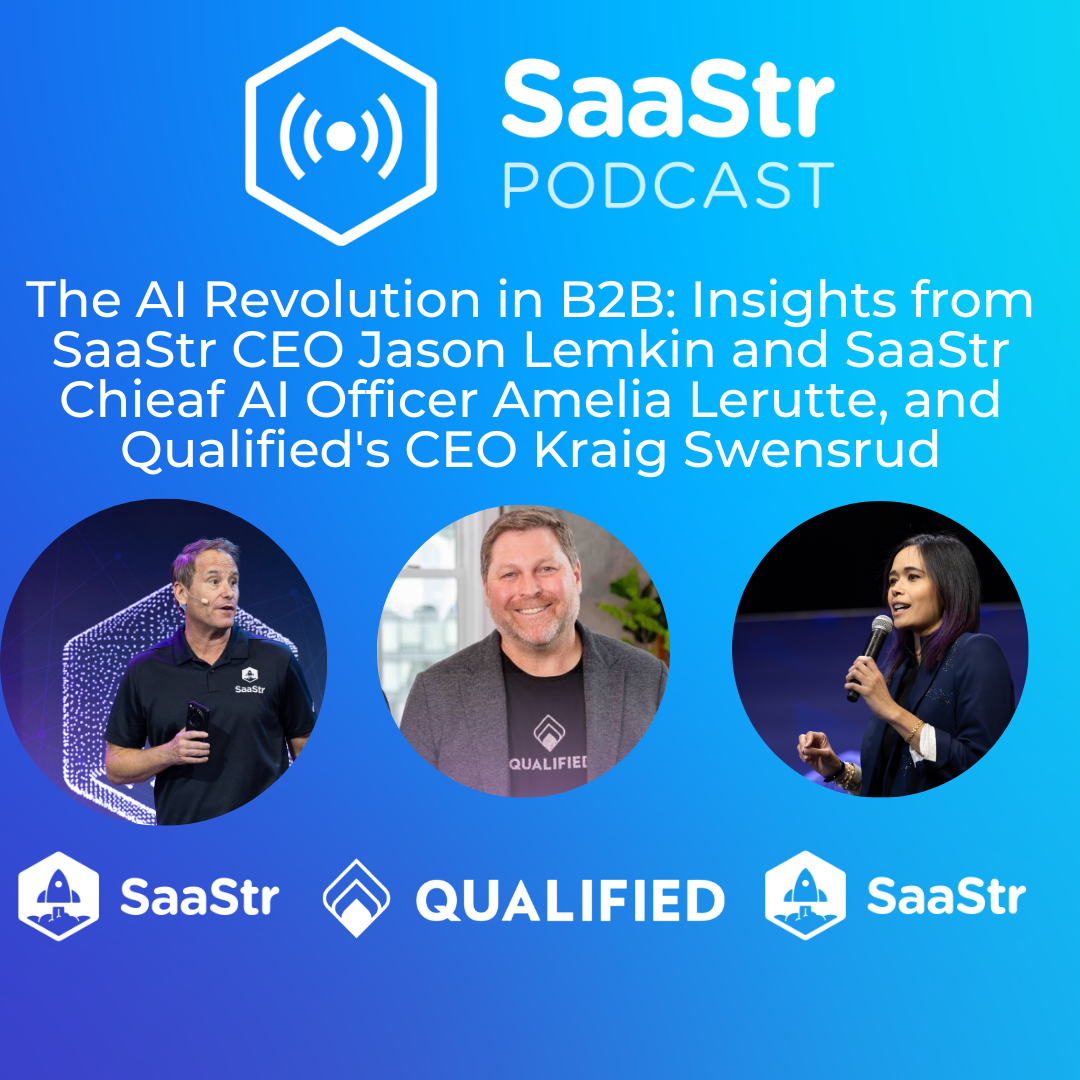
Instead of attempting a massive AI transformation, marketers should start with achievable use cases. This approach proves value to stakeholders, builds internal knowledge ('organizational muscle'), and prepares the team for more complex, agent-based channels. The winners of tomorrow are developing these practices today.

Instead of tackling complex outbound automation, start with AI on your website's inbound flow. Use AI to provide instant, accurate answers and qualify leads in real-time. Eliminating friction for interested buyers is the most straightforward and highest-impact first step.
The evolution of AI in go-to-market moves beyond basic content generation (AI 1.0) to automating tedious coordination tasks like pulling lists and updating fields (AI 1.5). This frees human teams from low-leverage work to focus on high-level strategy and creative execution.
To maximize AI's impact, don't just find isolated use cases for content or demand gen teams. Instead, map a core process like a campaign workflow and apply AI to augment each stage, from strategy and creation to localization and measurement. AI is workflow-native, not function-native.
Avoid paralysis of choice in the crowded AI tool market. Instead of chasing trends, identify the single most inefficient process in your marketing organization—in budget, time, or headcount—and apply a targeted, best-of-breed AI solution to solve that specific problem first.

Instead of broadly implementing AI, use the Theory of Constraints to identify the one process limiting your entire company's throughput. Target this single bottleneck—whether in support, sales, or delivery—with focused AI automation to achieve the highest possible leverage and unlock system-wide growth.

Instead of a broad AI overhaul, CMOs should identify their most acute pain point in the inbound funnel—like slow lead follow-up or poor event lead conversion. Deploying an AI agent to solve that specific, high-impact problem first builds momentum, proves value, and de-risks wider adoption.