Get your free personalized podcast brief
We scan new podcasts and send you the top 5 insights daily.
Instead of a broad AI overhaul, CMOs should identify their most acute pain point in the inbound funnel—like slow lead follow-up or poor event lead conversion. Deploying an AI agent to solve that specific, high-impact problem first builds momentum, proves value, and de-risks wider adoption.

Related Insights
Don't try to optimize your strongest departments with your first AI project. Instead, target 'layup roles'—areas where processes are broken or work isn't getting done. The bar for success is lower, making it easier to get a quick, impactful win.
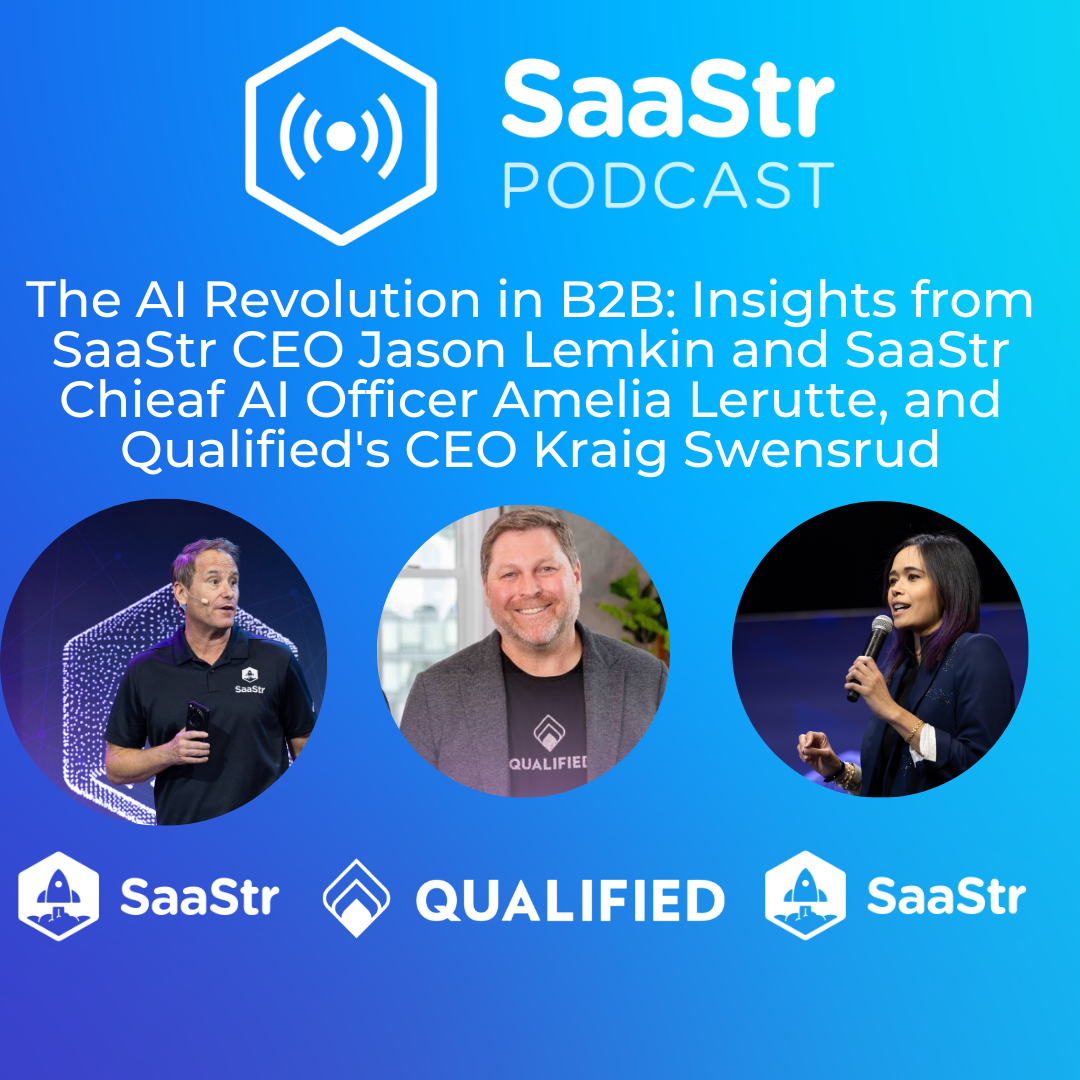
The path to adopting AI is not subscribing to a suite of tools, which leads to 'AI overwhelm' or apathy. Instead, identify a single, specific micro-problem within your business. Then, research and apply the AI solution best suited to solve only that problem before expanding, ensuring tangible ROI and preventing burnout.

The best initial use for AI in marketing operations is automating high-volume, low-complexity "digital janitor" tasks. Focus AI agents on answering repetitive questions (e.g., "Why didn't this lead qualify?") and cleaning data (e.g., event lists) to free up specialist time for more strategic work.

Instead of attempting a massive AI transformation, marketers should start with achievable use cases. This approach proves value to stakeholders, builds internal knowledge ('organizational muscle'), and prepares the team for more complex, agent-based channels. The winners of tomorrow are developing these practices today.
Instead of tackling complex outbound automation, start with AI on your website's inbound flow. Use AI to provide instant, accurate answers and qualify leads in real-time. Eliminating friction for interested buyers is the most straightforward and highest-impact first step.

Clogging a sales calendar with unqualified prospects is a major bottleneck. Deploy an AI voice agent to call new leads and ask a single, ruthless qualifying question. This immediately filters out bad fits, freeing up sales reps to focus only on high-probability deals.

AI tools are shifting power dynamics. By deploying AI agents for tasks like inbound lead qualification, CMOs can regain direct control over pipeline conversion—a function often managed by sales-led SDR teams. This elevates marketing from a cost center to a strategic, revenue-driving hero.

To gain organizational buy-in for AI, start by asking teams to document their most draining, repetitive daily tasks. Building agents to eliminate these specific pain points creates immediate value, generates enthusiasm, and builds internal champions for broader strategic initiatives, making it an approachable path to adoption.
Avoid paralysis of choice in the crowded AI tool market. Instead of chasing trends, identify the single most inefficient process in your marketing organization—in budget, time, or headcount—and apply a targeted, best-of-breed AI solution to solve that specific problem first.

Instead of broadly implementing AI, use the Theory of Constraints to identify the one process limiting your entire company's throughput. Target this single bottleneck—whether in support, sales, or delivery—with focused AI automation to achieve the highest possible leverage and unlock system-wide growth.