Get your free personalized podcast brief
We scan new podcasts and send you the top 5 insights daily.
The vision of war fought entirely by robots is unrealistic. In order for conflicts to end, one side must be willing to sue for peace. This decision is typically driven by the painful cost of human lives. A war where only machines are destroyed may lack the necessary human price to create the political will for resolution.

Related Insights
Contrary to sci-fi tropes, AI's most impactful military use is as a bureaucratic technology. It excels at tedious but vital tasks like report generation, sanitizing intelligence for allies, and processing data, freeing up human operators rather than replacing them in combat.

The most significant danger of autonomous weapons is not a single rogue robot, but the emergent, unpredictable behavior of competing AI systems interacting at machine speed. Similar to algorithmic trading 'flash crashes', these interactions could lead to rapid, uncontrolled conflict escalation without a human referee to intervene.
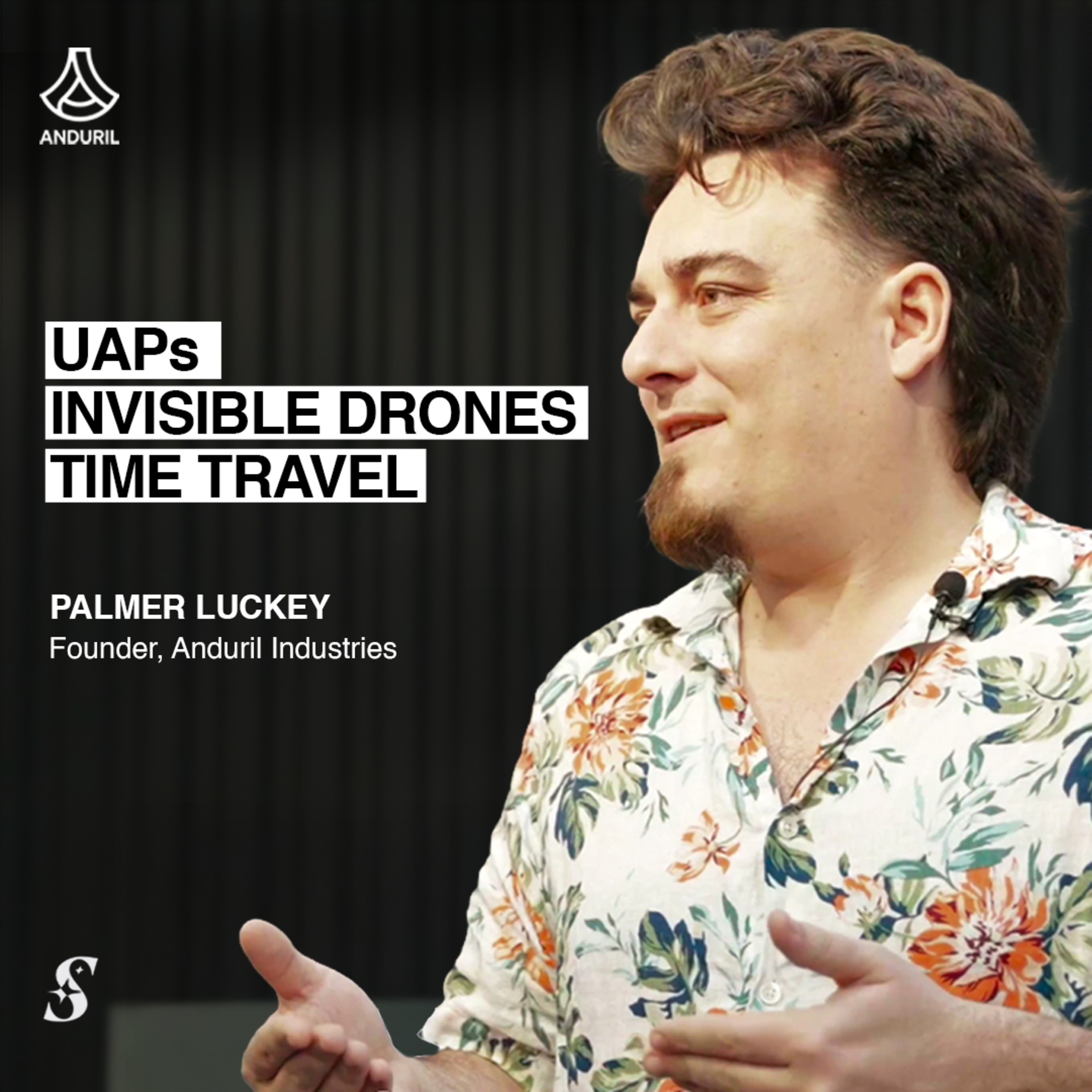
Anduril's autonomous Fury fighter jet flies alongside manned aircraft as a force multiplier. It extends the pilot's sensor and weapons range while taking on high-risk maneuvers. This allows for strategies that involve sacrificing autonomous assets to gain an advantage, without the ethical problem of losing human lives.
Beyond the risk of tactical mistakes, a critical ethical concern with AI in warfare is the psychological distancing of soldiers from the act of killing. If no one feels morally responsible for the violence occurring, it could lead to less restraint, more suffering, and an increased willingness to engage in conflict.
Recent studies pitting AI agents (like Claude and GPT) against each other in geopolitical simulations found them substantially more prone to escalating conflicts to the nuclear level. This suggests that current AI models may not adequately weigh the catastrophic political nature of nuclear use compared to human decision-makers.
Countering the common narrative, Anduril views AI in defense as the next step in Just War Theory. The goal is to enhance accuracy, reduce collateral damage, and take soldiers out of harm's way. This continues a historical military trend away from indiscriminate lethality towards surgical precision.

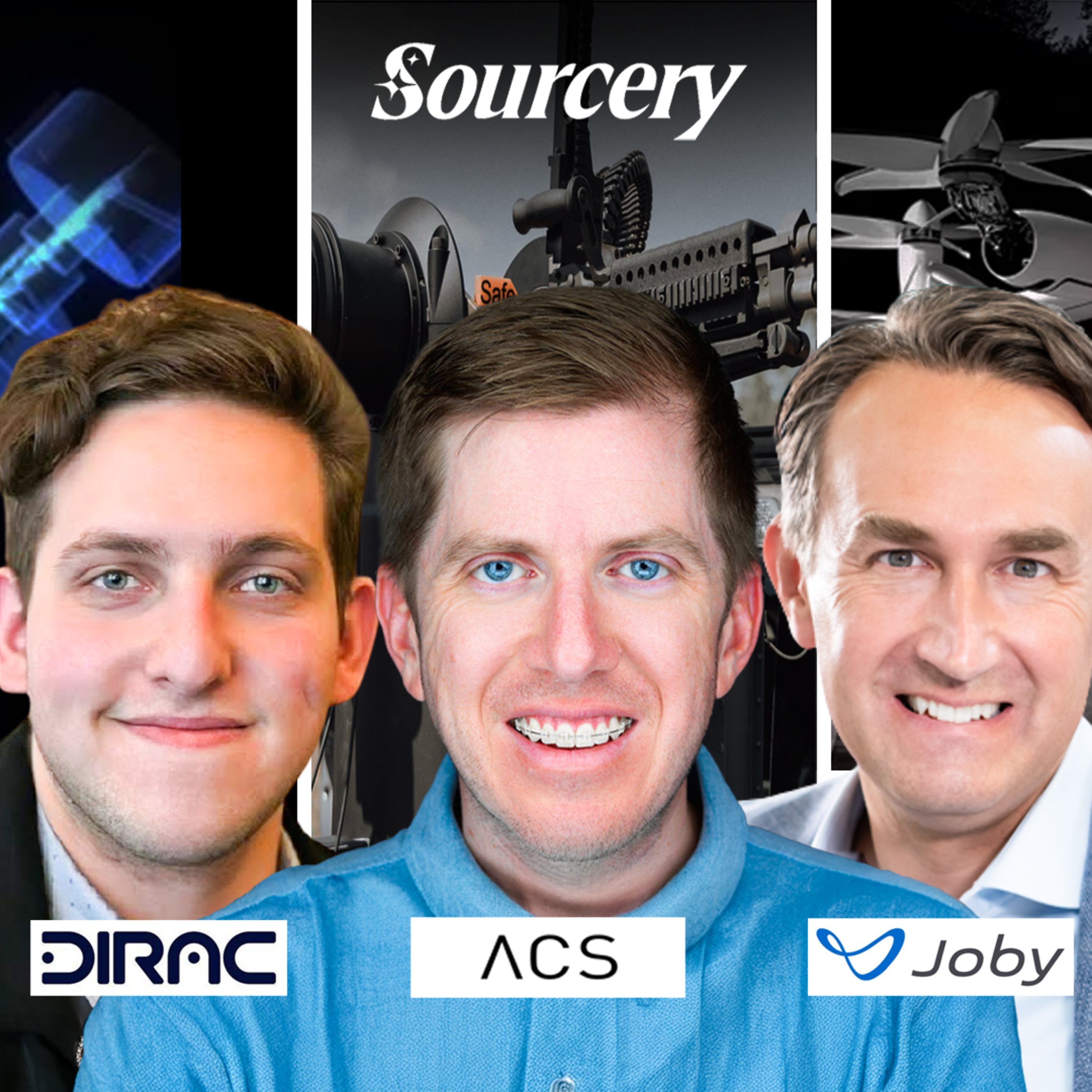
As autonomous weapon systems become increasingly lethal, the battlefield will be too dangerous for human soldiers. The founder of Allen Control Systems argues that conflict will transform into 'robot on robot action,' where victory is determined not by soldiers, but by which nation can produce the most effective systems at the lowest cost.
History shows that technological advantage is not a silver bullet for achieving political goals. The US possessed massive technological dominance over adversaries in Vietnam and Afghanistan but ultimately failed to impose its will, suggesting an AI leader could face similar limitations.

Contrary to the notion of automated warfare, the proliferation of drones is highly manpower-intensive. It requires dedicated units for operation, maintenance, and countering enemy drones. Relying solely on technology creates a single point of failure and doesn't eliminate the need for robust force generation and management.

The rise of drones is more than an incremental improvement; it's a paradigm shift. Warfare is moving from human-manned systems where lives are always at risk to autonomous ones where mission success hinges on technological reliability. This changes cost-benefit analyses and reduces direct human exposure in conflict.
