Get your free personalized podcast brief
We scan new podcasts and send you the top 5 insights daily.
Brands often misinterpret repeat purchases driven by discounts or points as genuine loyalty. True loyalty is an emotional connection, not a transactional one. This "entrapment" model fails to build lasting customer relationships or brand affinity.

Related Insights
Investing in emotional connection has a quantifiable business impact. Research from firms like Deloitte and McKinsey shows emotionally connected users are twice as likely to have higher retention, referral rates, and lifetime value compared to users who are simply "highly satisfied."
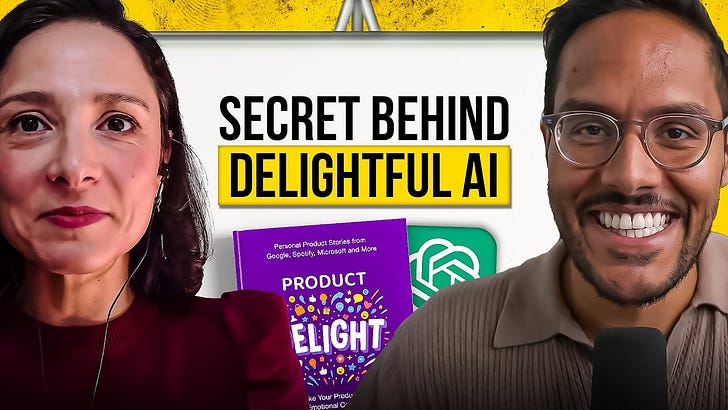
Viewing customer relationships through a strict Return on Investment (ROI) lens creates a toxic, transactional dynamic. A "Desire to Invest" (DTI) model prioritizes building genuine, long-term connections and empathy, much like a healthy human relationship, rather than tracking a ledger of exchanges.
True differentiation comes from "deep delight," where emotional needs are addressed within the core functional solution. This is distinct from "surface delight" like animations or confetti, which are nice but fail to build the strong emotional connections that drive loyalty.
While customer experience (CX) focuses on smooth transactions, customer intimacy builds deep, lasting loyalty by fostering closeness. This is achieved through empathetic actions in "moments that matter," creating powerful brand stories that resonate more than any marketing campaign.
Advanced retailers are moving beyond treating retail media as an ad channel for short-term sales. They integrate it with loyalty programs to deliver personalized value, which strengthens long-term customer relationships and retention, making it a strategic lever for growth.
As return volumes rise, brands that make the process effortless and predictable will earn loyalty that can't be bought. This frictionless experience during a period of high customer anxiety builds a durable competitive moat. Every return also generates compounding data advantages for future forecasting and merchandising, further widening the gap.
Coterie achieves high customer retention without a traditional points-based loyalty program. Instead, it builds loyalty through concierge-level services like text-based order management and proactive, personalized 'surprise and delight' moments, such as sending flowers for a new baby's birth.
The pinnacle of branding is achieving "tribal belonging." At this stage, customers don't just consume the brand; they co-own it and become its most powerful advocates. The brand's community can sustain its power even in the absence of the core product.
Retailers like Tesco use AI to deploy gamified "challenges" at scale. This experiential approach builds long-term loyalty and emotional connections by engaging customers in a way that moves beyond traditional, transactional price-based promotions.
When pressured to hit quarterly targets with promotions, use a simple filter: 'Does this action increase the long-term desirability of my full-price product?' This framework helps balance immediate revenue needs with the crucial goal of protecting and building brand equity, preventing a downward spiral of discounting.
