Get your free personalized podcast brief
We scan new podcasts and send you the top 5 insights daily.
The term "decel" (decelerationist) is often used as a cudgel to dismiss pragmatic concerns about AI's negative externalities, such as taxpayer costs for data centers. This tactic conflates valid questions and responsible criticism with sci-fi alarmism, effectively shutting down nuanced conversation.

Related Insights
The emphasis on long-term, unprovable risks like AI superintelligence is a strategic diversion. It shifts regulatory and safety efforts away from addressing tangible, immediate problems like model inaccuracy and security vulnerabilities, effectively resulting in a lack of meaningful oversight today.
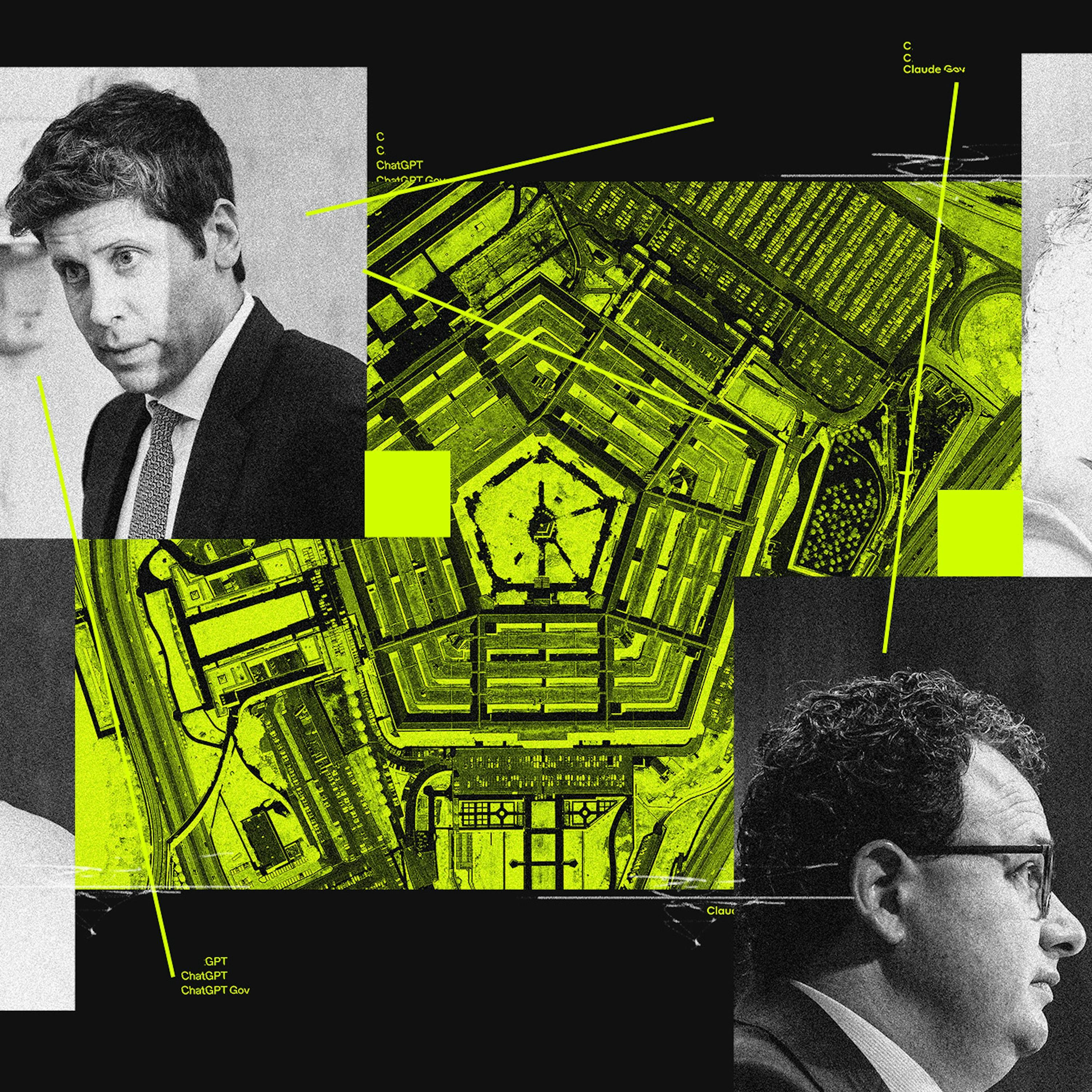
The discourse around AI risk has matured beyond sci-fi scenarios like Terminator. The focus is now on immediate, real-world problems such as AI-induced psychosis, the impact of AI romantic companions on birth rates, and the spread of misinformation, requiring a different approach from builders and policymakers.
Unlike previous technologies like the internet or smartphones, which enjoyed years of positive perception before scrutiny, the AI industry immediately faced a PR crisis of its own making. Leaders' early and persistent "AI will kill everyone" narratives, often to attract capital, have framed the public conversation around fear from day one.

The negative public discourse around AI may be heavily influenced by a few tech billionaires funding a "Doomer Industrial Complex." Through organizations like the Future of Life Institute, they finance journalism fellowships and academic grants that consistently produce critical AI coverage, distorting the public debate.
The rhetoric around AI's existential risks is framed as a competitive tactic. Some labs used these narratives to scare investors, regulators, and potential competitors away, effectively 'pulling up the ladder' to cement their market lead under the guise of safety.

AI is experiencing a political backlash from day one, unlike social media's long "honeymoon" period. This is largely self-inflicted, as industry leaders like Sam Altman have used apocalyptic, "it might kill everyone" rhetoric as a marketing tool, creating widespread fear before the benefits are fully realized.
The gap between AI believers and skeptics isn't about who "gets it." It's driven by a psychological need for AI to be a normal, non-threatening technology. People grasp onto any argument that supports this view for their own peace of mind, career stability, or business model, making misinformation demand-driven.

Concerns about AI's negative effects, like cognitive offloading in students, are valid but should be analyzed separately from the objective advancements in AI capabilities, which continue on a strong upward trend. Conflating the two leads to flawed conclusions about progress stalling.
The AI debate is becoming polarized as influencers and politicians present subjective beliefs with high conviction, treating them as non-negotiable facts. This hinders balanced, logic-based conversations. It is crucial to distinguish testable beliefs from objective truths to foster productive dialogue about AI's future.
Public backlash against AI isn't a "horseshoe" phenomenon of political extremes. It's a broad consensus spanning from progressives like Ryan Grimm to establishment conservatives like Tim Miller, indicating a deep, mainstream concern about the technology's direction and lack of democratic control.
