Get your free personalized podcast brief
We scan new podcasts and send you the top 5 insights daily.
Despite clear military failure, leaders like Lord Kitchener argued against withdrawal, fearing it would damage Britain's prestige. This shows how intangible factors like reputation can force leaders to double down on disastrous decisions and ignore logical exit strategies.
Related Insights
Commanders at Gallipoli repeatedly ordered assaults against fortified positions, losing thousands for negligible gain. This illustrates a strategic trap where the inability to conceive alternatives leads to repeating failed actions, literally the definition of insanity.
Empires in decline develop a toxic combination of hubris and desperation. Their leaders become so insular that they refuse to hear bad news, causing them to double down on failing strategies.

The core strategic logic of the Gallipoli campaign was unsound. Even a successful land invasion wouldn't have guaranteed naval passage through the straits or the capture of Constantinople, making it a massive diversion of resources for an unclear and unlikely reward.
When a leader initiates a conflict, an exit that leaves the situation worse than before is politically untenable. This dynamic creates immense pressure to avoid withdrawal and instead escalate involvement, as backing out becomes "political suicide."

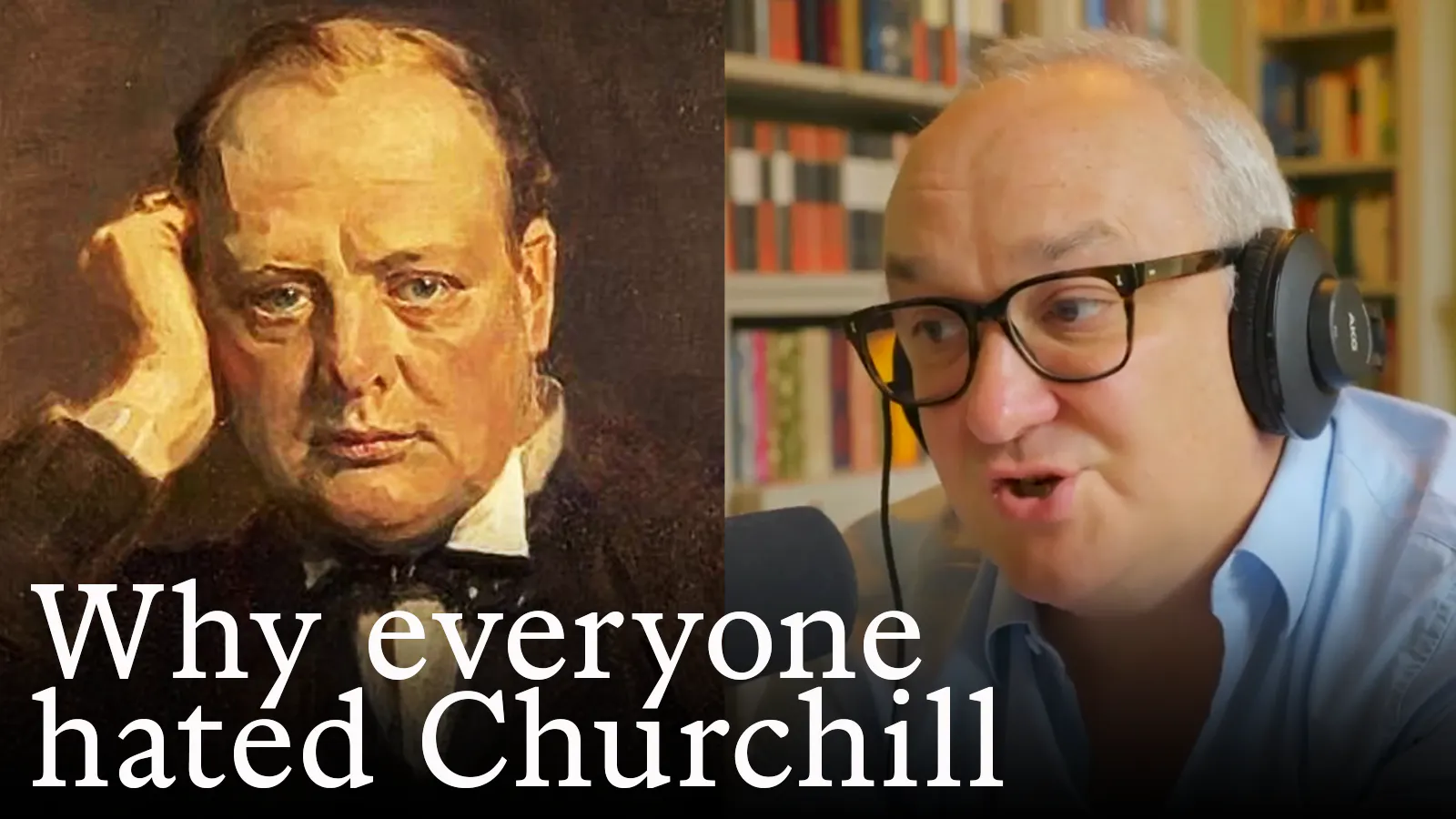
The military disaster created the opportunity, but Churchill's removal was assured by his terrible reputation within government. Key figures from Prime Minister Asquith to King George V saw him as a self-serving danger, making him an easy political sacrifice.
Churchill viewed the war as a "glorious, delicious" adventure. This personal excitement and desire for a grand "wheeze" led him to champion the ill-conceived Gallipoli plan, overriding cautious advisors and ignoring clear risks, ultimately leading to a catastrophe.

Nations like the US and USSR prolong involvement in failed conflicts like Afghanistan primarily due to "reputational risk." The goal shifts from achieving the original mission to avoiding the perception of failure, creating an endless commitment where objectives continually morph.

Even after being demoted, Churchill publicly championed the Gallipoli campaign with soaring, optimistic language. This rhetoric, promising a "triumphant peace," was completely detached from the reality of the stalemate and slaughter, substituting oratory for viable strategy.
First Lord of the Admiralty Winston Churchill deliberately withheld negative assessments from his own naval experts who called the Gallipoli plan "impossible." His infatuation with the scheme led him to present a dishonestly optimistic case to the War Council.
After the initial naval attack at Gallipoli failed disastrously, the British War Council chose to escalate by sending ground troops. The decision was driven not by strategy, but by the need to justify the initial losses of ships and lives, a classic example of the sunk cost fallacy.