Get your free personalized podcast brief
We scan new podcasts and send you the top 5 insights daily.
Investing in extravagant employee experiences, like the Savannah Bananas' player welcome, might seem like a pure cost with no clear return. However, the resulting emotional impact—'getting people goosebumps'—drives a level of care and commitment that can't be measured in a spreadsheet but is critical for success.

Related Insights
Investing in emotional connection has a quantifiable business impact. Research from firms like Deloitte and McKinsey shows emotionally connected users are twice as likely to have higher retention, referral rates, and lifetime value compared to users who are simply "highly satisfied."
Frame employee training as an investment, not a cost, because 'growth follows people, not plans.' Train your team beyond the technical aspects of their job to focus on building genuine human connections. This approach transforms a transactional service into a loyal community, turning your staff into powerful growth multipliers.
DoubleTree's CFO reportedly hates the free cookie program because its ROI is impossible to prove. However, it functions as a powerful "talk trigger," generating priceless word-of-mouth marketing and brand loyalty. This proves the most effective brand initiatives often defy direct performance metrics.

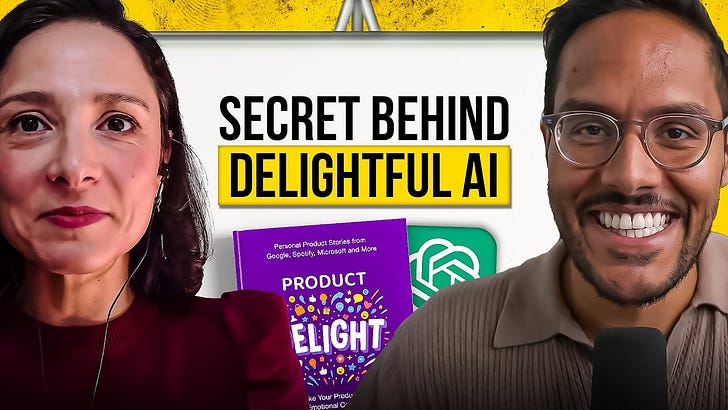
Investing in "product delight" isn't a soft initiative; it has hard ROI. Studies show that emotionally connected users are twice as likely to stay with a product and twice as likely to buy more services. They are also 60% more likely to provide referrals, creating a powerful business case.

Using Six Sigma principles, the ROI of investing in people is the reduction of waste—specifically, the "waste of human potential." Disengaged, unsafe, and burnt-out employees cannot innovate or make good decisions. This frames "soft skills" in a language of efficiency and financial return.

Consistently investing in your team on a personal level builds a reservoir of trust and goodwill called "emotional equity." This makes them more receptive to difficult changes like price increases or new strategies, as they believe you have their best interests at heart.
Not all brand campaigns have direct, measurable ROI. Justify their cost by tracking "soft ROI," such as increased employee pride and retention (e.g., employees on billboards), positive candidate feedback during interviews, and using tools like Gong to track how often the campaign is mentioned in sales calls.

Instead of relying on written values, owner Jesse Cole instills the "put on a show" culture by giving new players a surprise superstar welcome with police escorts and fireworks. This proves that powerful culture is built through memorable, lived experiences that employees embody.
The speaker justifies expensive team offsites (nice hotels, nice dinners) as an investment in brand culture. He believes how you treat your team directly "trickles down" to the brand's external perception and ultimately how customers are treated, making it a valuable brand-building exercise, not just a perk.
Zoom built its "deliver happiness" culture with small, thoughtful perks like reimbursing any book an employee buys. While the financial cost is minimal (e.g., ~$1000/year for an avid reader), the perceived value of the company investing in an employee's personal growth is far greater than a cash bonus.
