Get your free personalized podcast brief
We scan new podcasts and send you the top 5 insights daily.
Investors incorrectly lump all commercial real estate together. Trophy-quality office space in gateway cities has a distinct supply-demand imbalance driven by growing financial firms. This makes it a mispriced asset that trades like a BBB bond but has the fundamentals of a AA.

Related Insights
The REIT market transformed from four highly correlated sectors (office, industrial, retail, residential) to a diverse universe including data centers and towers. Secular risks like e-commerce mean subsectors no longer move in unison, demanding specialized analysis rather than general real estate knowledge.

ReSeed targets older, smaller properties in desirable, supply-constrained areas that large institutions overlook. By adding some capital and letting the neighborhood's inherent demand drive growth, they achieve strong returns without heavy lifting or large-scale development risk.
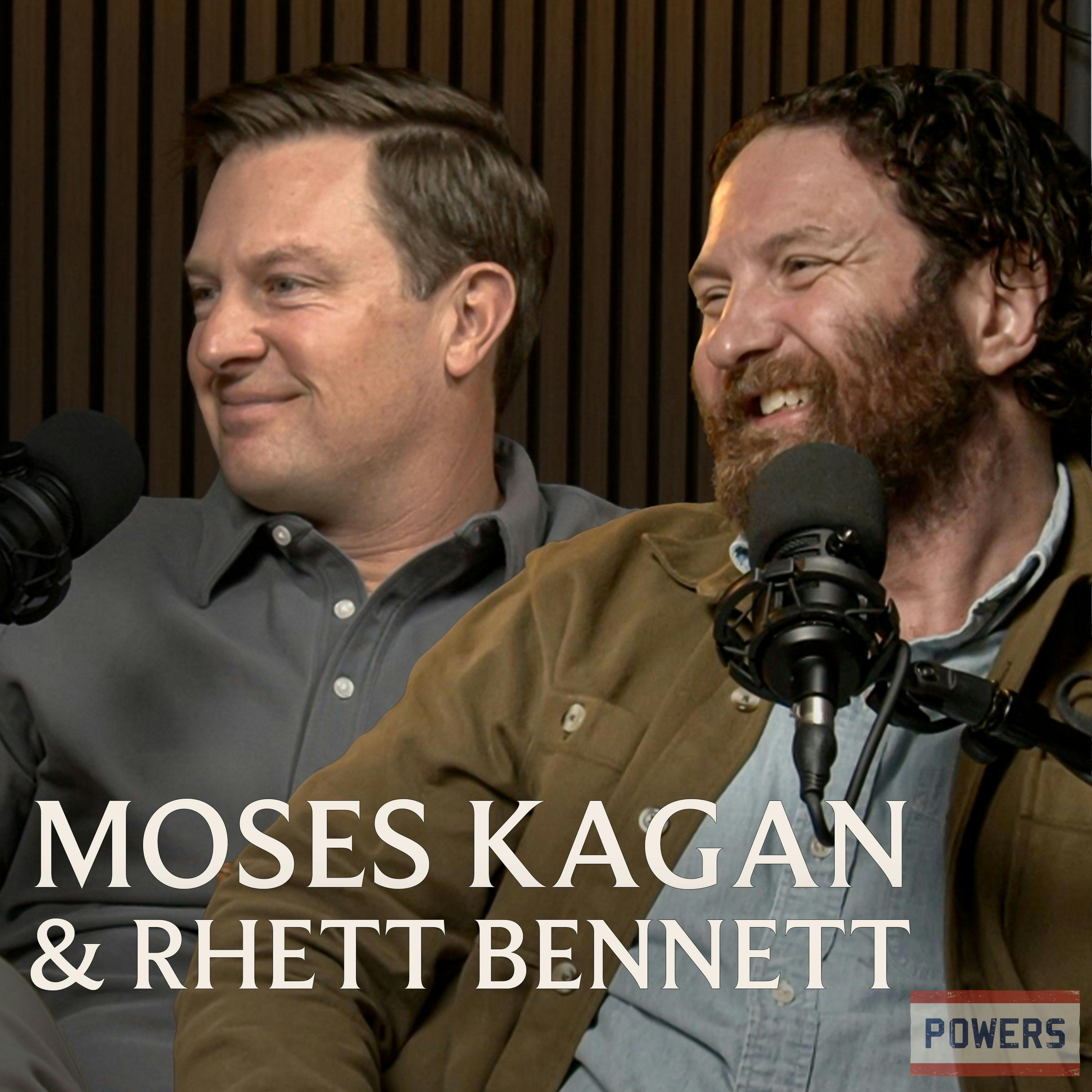
ReSeed finds significant opportunities in the sub-institutional market driven by operational incompetence, not just market cycles. Assets are often mispriced due to unsophisticated owners, brokers who don't understand the property's potential, or busted sales processes like listing on residential MLS.
High-profile sports franchises defy standard financial analysis. Their valuation is driven more by their scarcity and desirability as a "trophy asset," similar to a masterpiece painting. This makes them a store of value where the underlying business fundamentals are only part of the equation.

Sports franchises defy traditional valuation because they are not investments but 'trophy assets' for billionaires. Their prices are driven by the scarcity of teams relative to the growing number of billionaires who desire ownership, not by financial performance.

The US commercial real estate recovery isn't from a post-pandemic return to office. It's a supply-side correction: new construction has plummeted while old buildings are demolished or converted, causing total office space to shrink for the first time in 25 years.

Kastle Systems data reveals a dramatic stratification in the office market. The best "A+" buildings in prime locations are seeing occupancy rates return to pre-pandemic levels on peak days. Meanwhile, lower-tier B and C buildings are struggling, signaling a major flight to quality.
Certain "trophy assets," like major league sports teams, defy traditional valuation metrics. Their true worth is determined not by their cash flow, which can be modest, but by their extreme scarcity and the price a private acquirer is willing to pay for the prestige of ownership, as seen in private market transactions.

The valuation gap between public and private real estate is historically wide. Sunbelt apartment REITs trade at implied cap rates of 6.5-7%, while similar private assets trade near 5-5.25%. This disconnect presents a compelling opportunity for public market investors to acquire quality assets at a significant discount.
While rising rates caused a violent valuation drop in commercial real estate (CRE), they also choked off new development. This lack of new supply—a primary driver of winners and losers in CRE—creates a strong fundamental tailwind for 2026-2028, making the sector more stable than recent volatility suggests.
