Get your free personalized podcast brief
We scan new podcasts and send you the top 5 insights daily.
Agencies can no longer rely on a single, lasting competitive advantage. AI commoditizes services on a rapid cycle. The only viable strategy is to operate on the leading edge, constantly seeking the next temporary advantage, with the understanding that it will likely be obsolete within 12-18 months.

Related Insights
As AI models democratize access to information and analysis, traditional data advantages will disappear. The only durable competitive advantage will be an organization's ability to learn and adapt. The speed of the "breakthrough -> implementation -> behavior change" loop will separate winners from losers.

Agencies can no longer rely on billable hours for tasks AI can automate. Their future lies in strategic consulting, helping clients navigate AI adoption, manage change, and develop custom AI agents and applications, which are currently unmet needs for most brands.
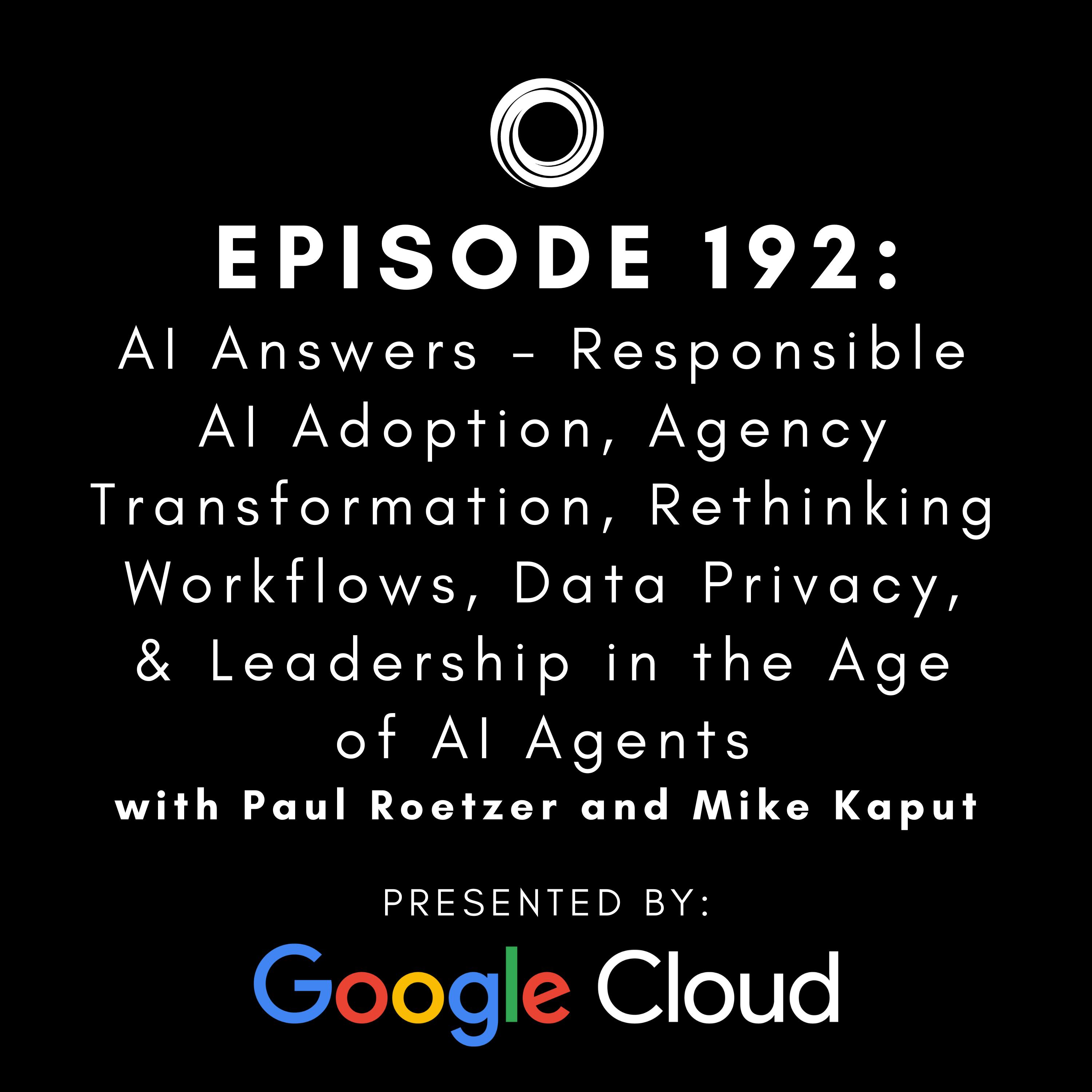
The historical advantage of being first to market has evaporated. It once took years for large companies to clone a successful startup, but AI development tools now enable clones to be built in weeks. This accelerates commoditization, meaning a company's competitive edge is now measured in months, not years, demanding a much faster pace of innovation.
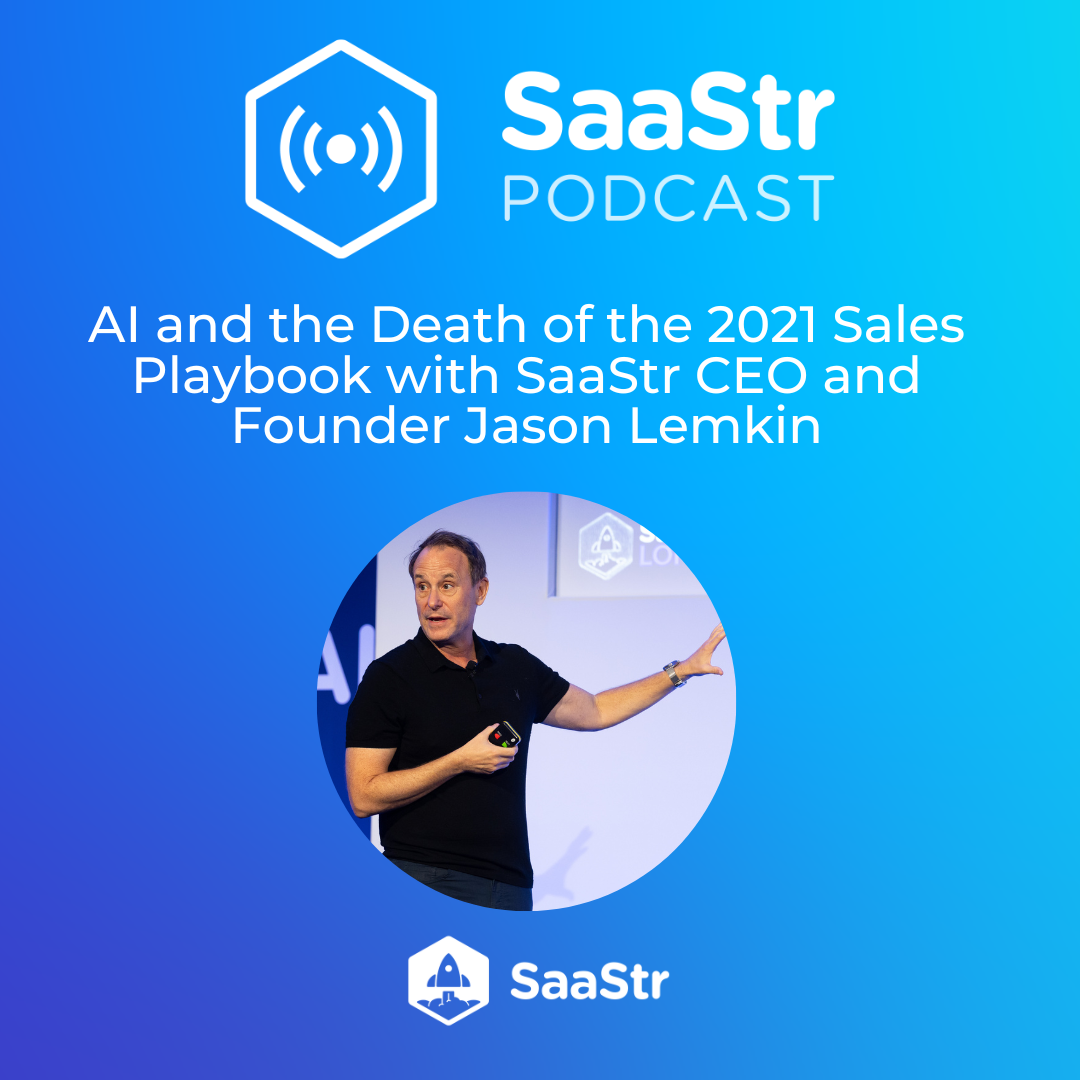
With AI models and workflows becoming obsolete in as little as a year, mastering a single tool is a failing strategy. The most valuable skill is becoming comfortable with constant change and the process of repeatedly being a beginner, as this adaptability is the only sustainable advantage.

The fluid nature of AI means traditional moats are unreliable. Defensibility is no longer a static plan but a daily practice of innovation and execution. Even established public companies feel threatened, proving that staying ahead requires constant movement and earning your position every day.

The rapid pace of change in AI renders long-term strategic planning ineffective. With foundational technology shifts occurring quarterly, companies must adopt a fluid approach. Strategy should focus on core principles and institutional memory, while remaining flexible enough to integrate new tech and iterate on tactics constantly.

The current market leaves no room for mediocrity. SaaS companies are either at the forefront of AI, delivering jaw-dropping value and capturing new budget, or they are being displaced. Hiding behind long-term contracts is a temporary solution, as there is no longer a middle ground.
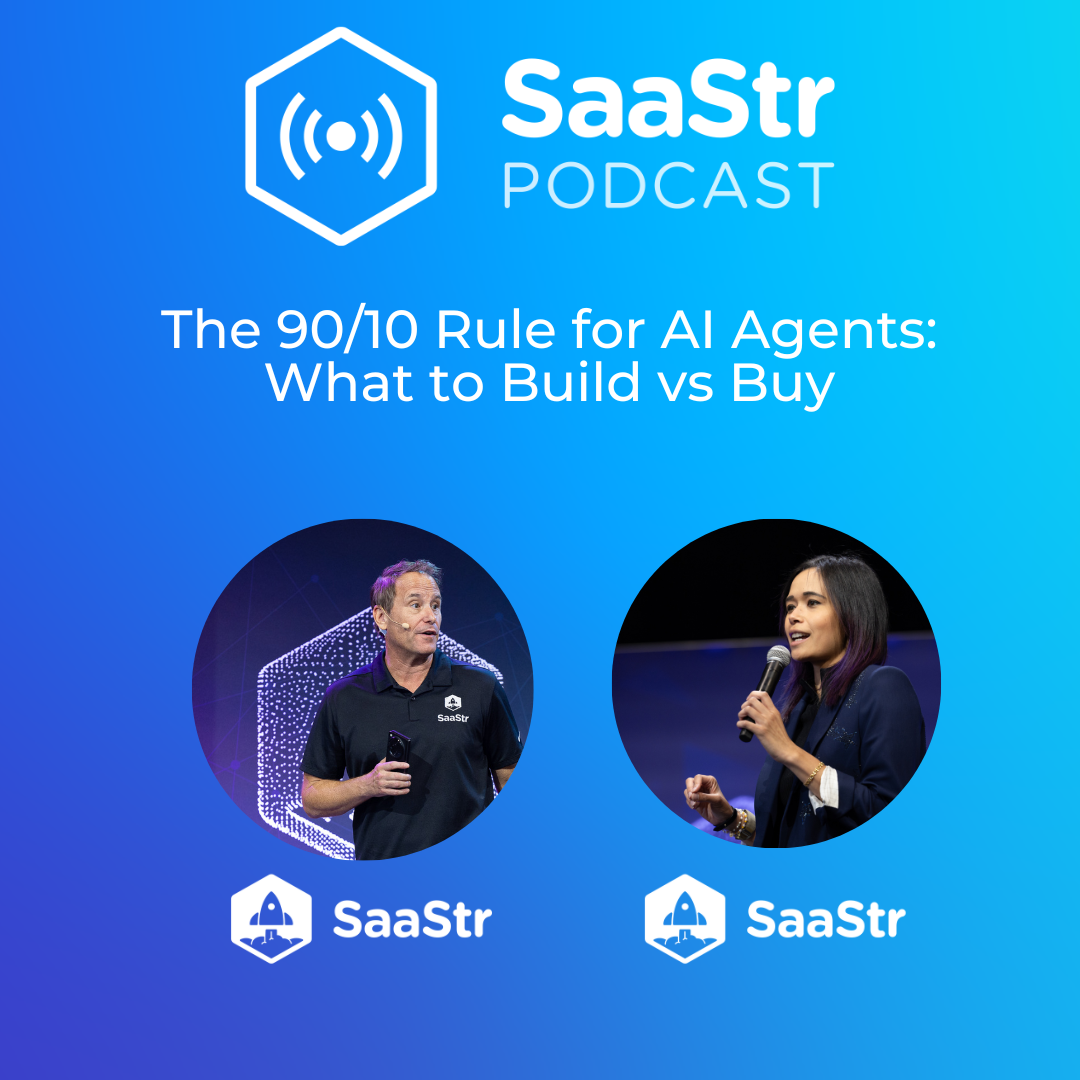
The business race isn't about humans versus AI, but about your company versus competitors who integrate AI more quickly and effectively. The sustainable competitive advantage comes from shrinking the cycle time from a new AI breakthrough to its implementation within your business processes and culture.
In an age where AI can quickly commoditize features, traditional moats like data are weakening. Miro's CEO argues the only sustainable competitive advantage is an organization's speed of learning—its ability to rapidly identify market signals, separate them from noise, and act decisively.

A product's fit with the market can vanish overnight in the fast-moving AI space. Continuous innovation is required not just for growth, but for survival. What provides a competitive edge today might be commoditized by a new model release or a competitor tomorrow.
