Get your free personalized podcast brief
We scan new podcasts and send you the top 5 insights daily.
Innovation flourishes when teams learn to hold opposing values in tension (e.g., risk vs. safety) rather than trying to resolve them into a single choice. Framing complex issues as paradoxes to manage unlocks creativity, whereas an 'either/or' approach stifles it.

Related Insights
When teams present a binary choice (A or B), it's often an 'illusion of choice' designed to simplify their work. Parker Conrad's default reaction is to reject the premise and insist on finding a way to do both, forcing the team to find a third path or discover that the perceived constraints weren't real.

The most effective innovators combine two seemingly contradictory traits: a boundless imagination to envision novel solutions and a ruthless pragmatism that rejects ideas that can't be translated into reality. One without the other leads to either fantasy or stagnation.
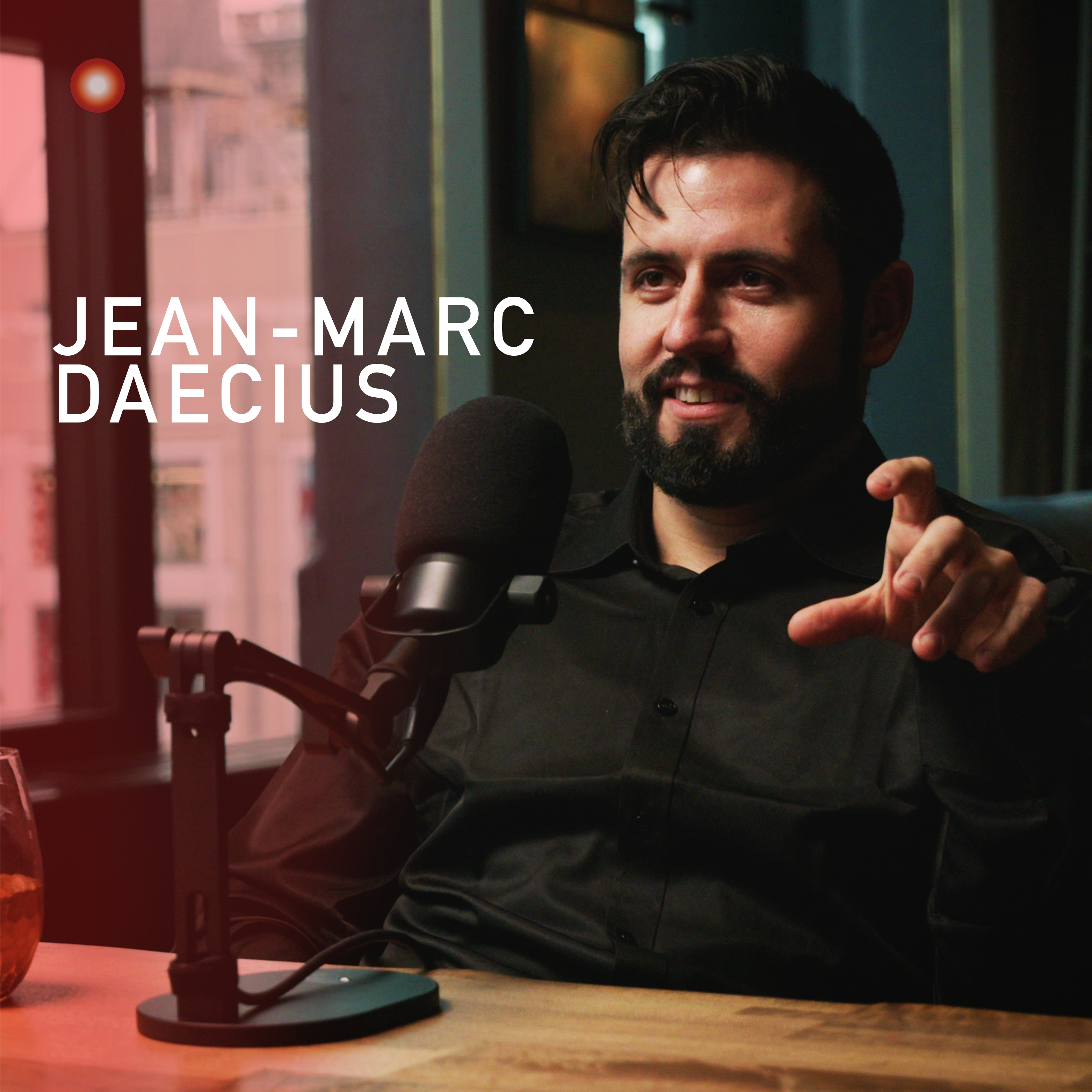
True innovation isn't about brainstorming endless ideas, but about methodically de-risking a concept in the correct order. The crucial first step is achieving problem clarity. Teams often fail by jumping to solutions before they have sufficiently reduced uncertainty about the core problem.

Like sleep, creativity is a non-conscious process that can't be forced. Instead of demanding ideas, leaders should practice "creativity hygiene." This involves arranging conscious behaviors to facilitate creative output, such as seeking novelty, embracing ambiguity, and building the team's creative confidence.

Starting with limitations like budget and feasibility (convergent thinking) kills growth and leads to repetitive outcomes. You must begin with an expansive, divergent phase to generate a wide pool of ideas before applying any constraints.

Teams stuck in a relentless, task-focused "doing mode" often make poor choices without realizing it. To break this cycle, intentionally introduce dissonance through conflict, a devil's advocate, or an external voice. This "dig in the ribs" forces the team to pause, look up, and reconnect with their wider purpose.

Conventional innovation starts with a well-defined problem. Afeyan argues this is limiting. A more powerful approach is to search for new value pools by exploring problems and potential solutions in parallel, allowing for unexpected discoveries that problem-first thinking would miss.
Adopt the mental model of viewing business challenges not as stressful problems, but as intricate puzzles. This reframing removes negative emotional weight and encourages a creative, analytical approach to finding solutions, fostering resilience and long-term thinking.

Effective creation is not a linear process but a continuous cycle. Start with chaotic ideas, apply strategic constraints to create a tangible asset, and then use the feedback and new questions from your audience—the 'new chaos'—to fuel the next iteration or creation.

Contrary to the idea of limitless brainstorming, true innovation accelerates when leaders define clear boundaries. As seen in Lego's turnaround, providing constraints challenges teams to develop more focused, creative, and profitable solutions within a limited space.