Get your free personalized podcast brief
We scan new podcasts and send you the top 5 insights daily.
Once a point of criticism from investors, Palantir's deep integration with clients via services and forward-deployed engineers (FDEs) is now essential for AI. Karp argues this hands-on implementation and understanding of "tribal knowledge" is a moat that pure-play software models cannot replicate.

Related Insights
The rise of AI services companies like Invisible and Palantir, which build custom on-prem solutions, marks a reversal of the standardized cloud SaaS trend. Enterprises now prioritize proprietary, custom AI applications to gain a competitive edge.

Traditional SaaS switching costs were based on painful data migrations, which LLMs may now automate. The new moat for AI companies is creating deep, customized integrations into a customer's unique operational workflows. This is achieved through long, hands-on pilot periods that make the AI solution indispensable and hard to replace.
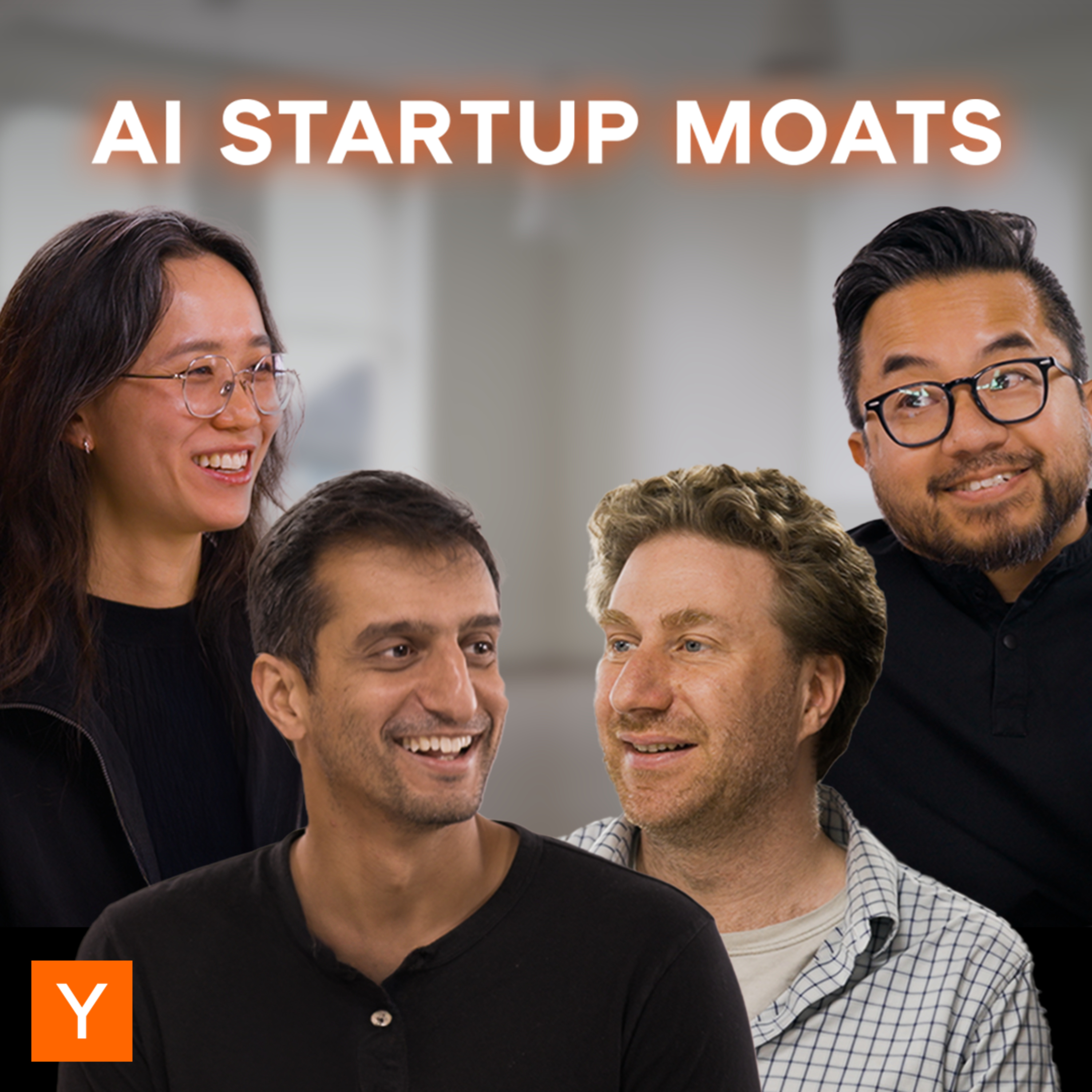
Alex Karp argues that the future of enterprise software is not about forcing companies into standardized SaaS workflows. Instead, AI's true power lies in creating custom systems that amplify a company's unique "tribal knowledge" and operational data, turning their specific processes into a competitive advantage that no other enterprise can replicate.

Unlike typical software companies that build addictive products or simply fulfill requests, Palantir's approach is to anticipate and build what its partners *ought* to want in the future. This radical, value-driven strategy builds deep trust and creates an indispensable long-term position with the client.
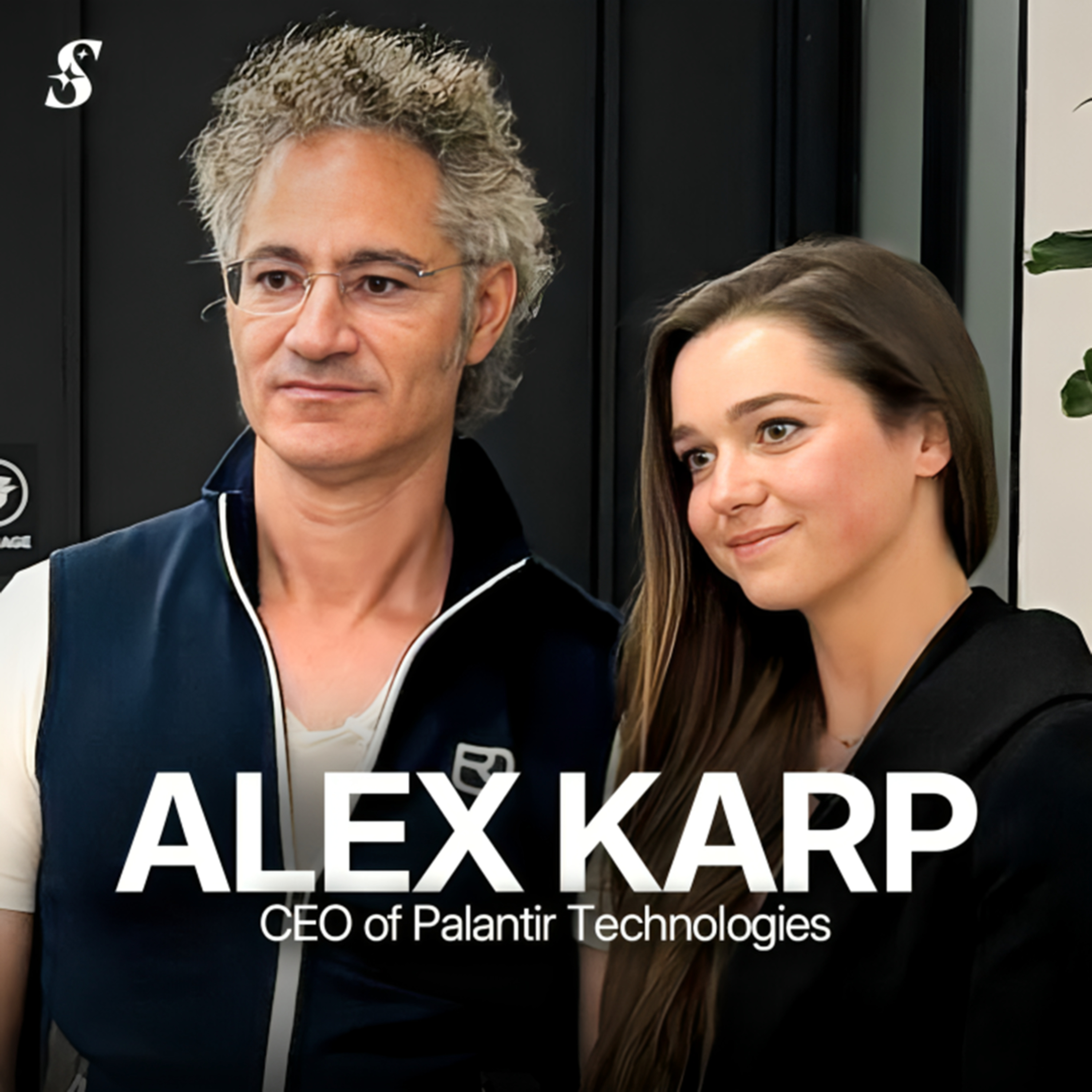
AI's capabilities evolve so rapidly that business leaders can't grasp its value, creating a 'legibility gap.' This makes service-heavy, forward-deployed engineering models essential for enterprise AI startups to demonstrate and implement their products, bridging the knowledge gap for customers.

When asked if AI commoditizes software, Bravo argues that durable moats aren't just code, which can be replicated. They are the deep understanding of customer processes and the ability to service them. This involves re-engineering organizations, not just deploying a product.

Enterprises struggle to get value from AI due to a lack of iterative, data-science expertise. The winning model for AI companies isn't just selling APIs, but embedding "forward deployment" teams of engineers and scientists to co-create solutions, closing the gap between prototype and production value.

Karp's pitch at Davos suggests that traditional enterprise SaaS, which standardizes processes across companies, destroys competitive advantage. Palantir’s strategy is to build semi-custom systems that amplify a company's unique "tribal knowledge," betting that differentiation, not commodification, is the future of enterprise software value.

Alex Karp suggests that as AI commodifies standard products, true defensibility lies in being hard to understand and therefore hard to replicate. The market's confusion about Palantir's complex, service-hybrid business model is a feature, not a bug, creating a significant competitive moat.
OpenAI is hiring hundreds of "forward deployed engineers" to act as technical consultants. This strategy aims to deeply integrate its AI agents into corporate workflows, creating a powerful services-led moat against rivals by providing custom, hands-on implementation for large clients.