Get your free personalized podcast brief
We scan new podcasts and send you the top 5 insights daily.
Before issues gain traction in parliament or official inquiries, they often surface in public discourse on phone-in radio shows. Topics like mass fly-tipping and online safety were concerns for callers long before they became legislative priorities, demonstrating the medium's power as a barometer of the public mood.

Related Insights
The surge in bans on gas-powered leaf blowers was significantly accelerated by the pandemic. As millions of people began working from home, they became acutely aware of neighborhood noise pollution, transforming a minor annoyance into a catalyst for local political action and lobbying.

The positive reception of a cross-political podcast conversation suggests a shift in audience values. In a highly polarized environment, listeners are gravitating towards commentators they perceive as trustworthy and sane, regardless of differing policy stances, indicating that character now outweighs ideology.
Unlike polls or betting markets, which can be calculated, raw 'on the street' interviews provide a more accurate pulse of the public. Capturing people in unfiltered, unexpected moments reveals what they truly think and feel, free from the calculation that accompanies more formal questioning.

A British Prime Minister's political survival depends less on formal strategy and more on the emotional, rapidly shifting sentiment of their party's MPs. Once momentum turns against a leader in the informal social spaces of Parliament, their position can collapse overnight, demonstrating that gossip and back-channeling can be more decisive than public speeches.

When a politician suddenly makes a previously ignored issue intensely important, they are likely employing misdirection. The goal is to control the news cycle and public attention, either to distract from a more significant action happening elsewhere or to advance a hidden agenda unrelated to the stated crisis.
Analyzing the memetic activity of niche online groups, like teenage eco-anarchists in 2018, serves as an "early detection" system for forecasting larger political narratives and cultural shifts, as their fringe concerns often scale to mass audiences.

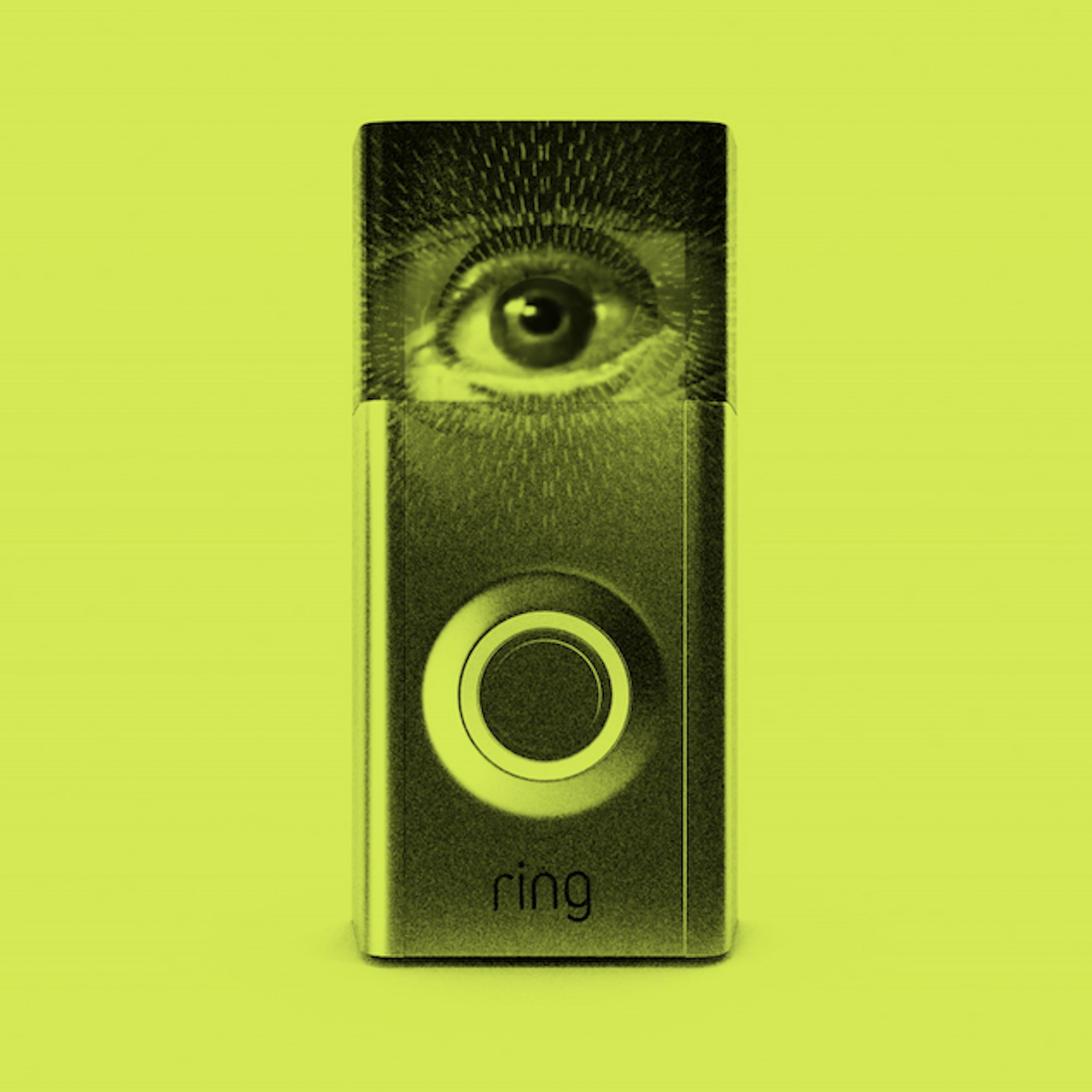
The podcast highlights a core paradox: widespread fear of corporate surveillance systems like Ring coexists with public praise for citizens using identical technology (cell phones) to record law enforcement. This demonstrates that the perceived controller and intent, not the technology itself, dictate public acceptance of surveillance.
The debate over Flock's license plate readers highlights a societal contradiction. Citizens broadly oppose mass surveillance on privacy grounds but demand the use of these exact tools to solve crimes after they occur, creating a constant policy tension.

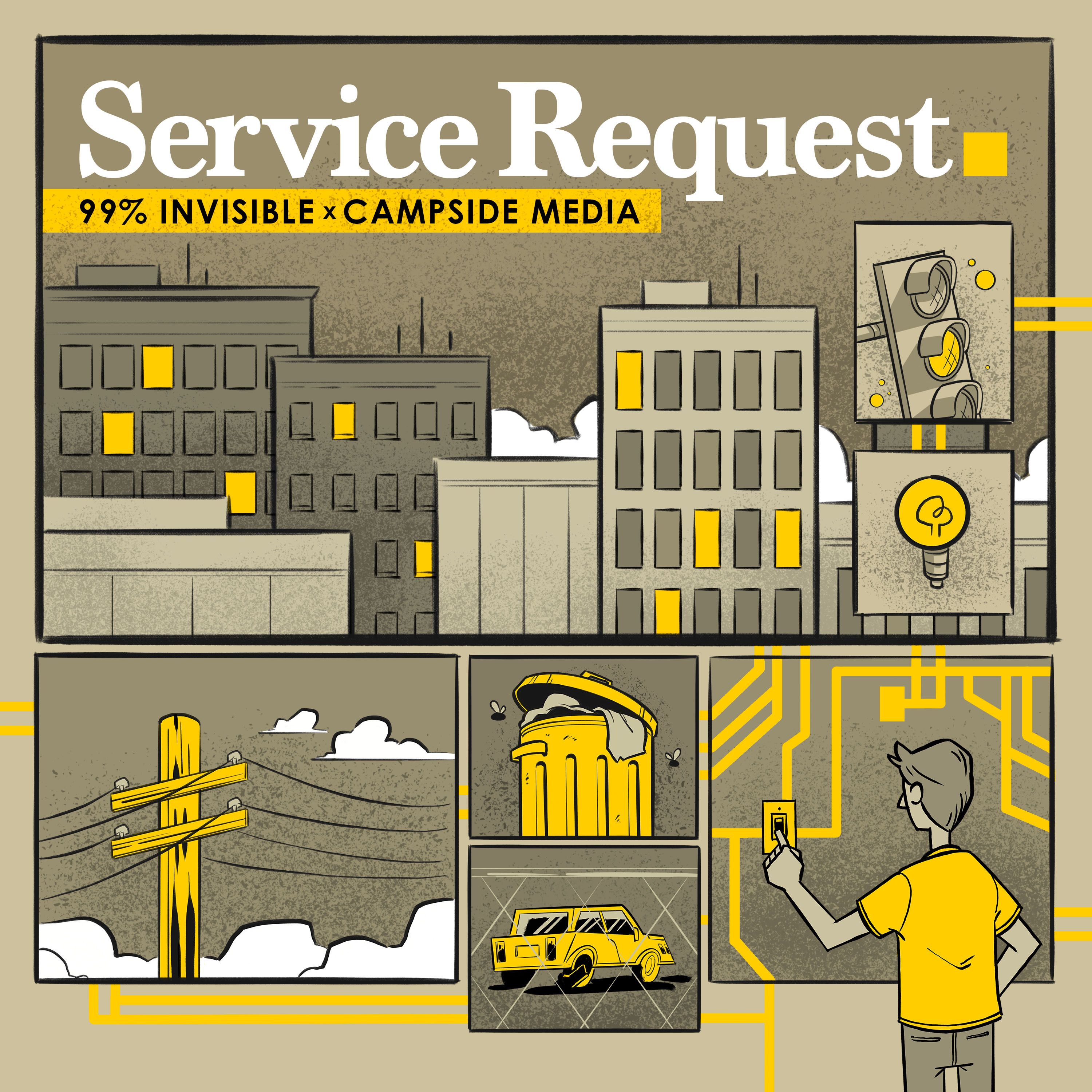
Initially for non-emergencies, NYC's 311 became a vital feedback mechanism during crises. Calls about preserving insulin during a blackout created a new, immediate channel where citizens could inform the city of unforeseen needs, prompting a direct public response.
Unlike traditional media's short, confrontational interviews, long-form podcasts allow public figures to have extended, nuanced conversations (e.g., three hours on Joe Rogan). This reveals a more human side and can significantly shift public perception.
