Get your free personalized podcast brief
We scan new podcasts and send you the top 5 insights daily.
Social media platform Weibo outcompeted rivals not with better features, but by being more effective at censoring content during political unrest in 2009. While other platforms were shut down by the government, Weibo's adeptness at content moderation ensured its survival and subsequent market dominance.

Related Insights
As the global internet splinters into nationally-regulated zones, many world leaders look with jealousy at China's ability to control its digital "town square." Despite public criticism, the Chinese model of a managed internet appeals to governments seeking greater control over online discourse, even in democracies.
Despite different political systems, the US and Chinese internets have converged because power is highly centralized. Whether it's a government controlling platforms like Weibo or tech oligarchs like Elon Musk controlling X, the result is a small group dictating the digital public square's rules.
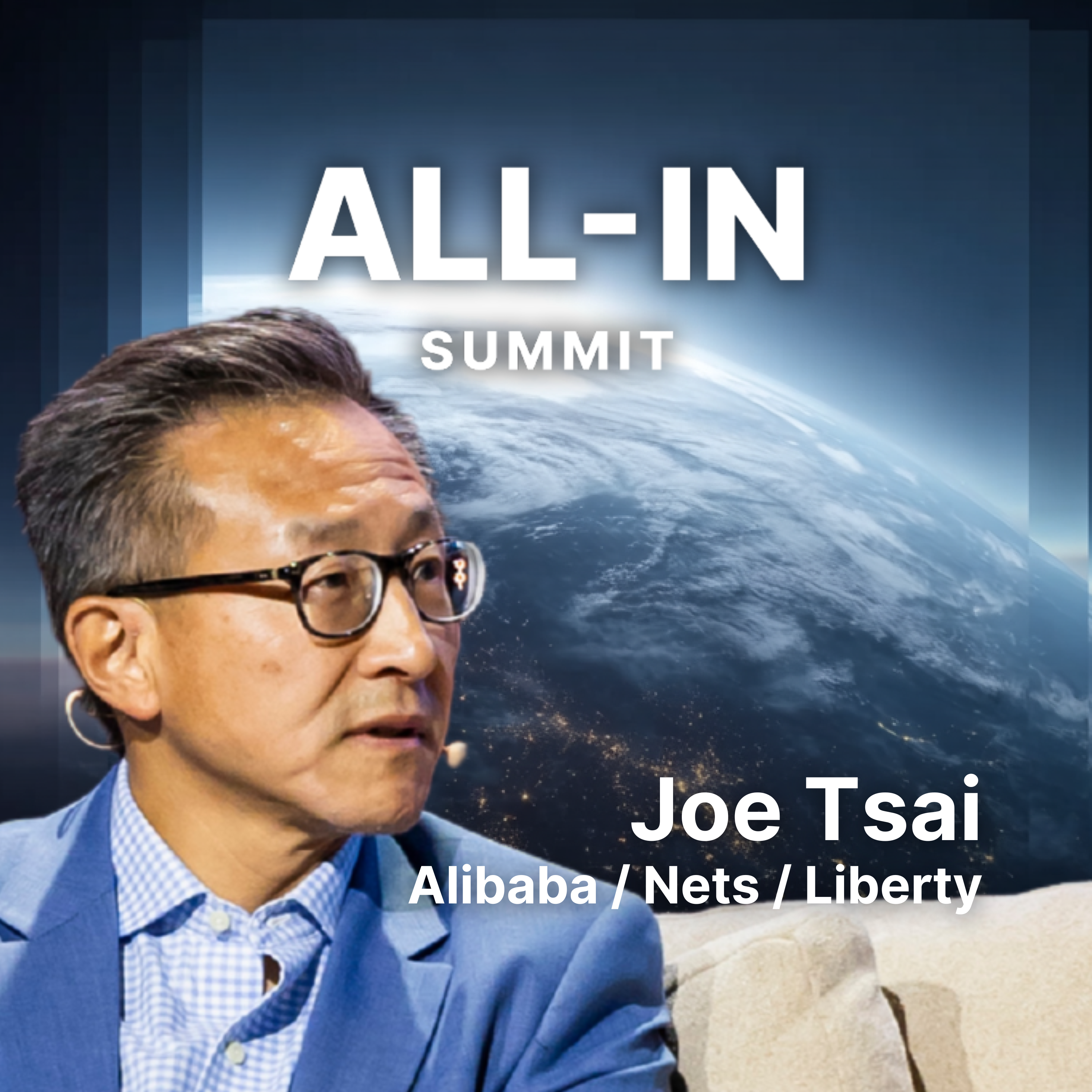
Contrary to the common narrative of a stifling 'crackdown,' Joe Tsai argues China's increased tech regulation established a 'new normal' that is better for business. By clarifying the 'red lines' around monopoly and privacy, the government created a more predictable environment, which is preferable to the previous era of unchecked, chaotic competition.
China's harsh, deflationary economic environment and intense domestic competition, while causing many companies to fail, effectively hones a select few into highly resilient and efficient champions. These survivors are now prepared for successful global expansion.

The Chinese censorship ecosystem intentionally avoids clear red lines. This vagueness forces internet platforms and users to over-interpret rules and proactively self-censor, making it a more effective control mechanism than explicit prohibitions.
The argument that the US must race China on AI without regulation ignores the lesson of social media. The US achieved technological dominance with platforms like Facebook, but the result was a more anxious, polarized, and less resilient society—a Pyrrhic victory.

For Chinese internet companies, extensive keyword databases used for censorship are not just compliance tools; they are crucial, proprietary assets. A more comprehensive and accurate database provides a significant competitive survival advantage over rivals, making it a core part of their business moat.
Profitable Chinese giants like ByteDance trade at a fraction of their Western counterparts' multiples. This "China discount" stems not from business fundamentals but from the unpredictable risk of the Communist Party "smiting" successful companies and overarching geopolitical tensions, making them un-investable for many.
![Dan Wang - The US vs China In The 21st Century - [Invest Like the Best, EP.444] thumbnail](https://megaphone.imgix.net/podcasts/e1599a88-a9f6-11f0-b532-e3695bb27d60/image/0f5c07552cef2689e5834d56786ad6f1.jpg?ixlib=rails-4.3.1&max-w=3000&max-h=3000&fit=crop&auto=format,compress)
Internet platforms like Weibo don't merely react to government censorship orders. They often act preemptively, scrubbing potentially sensitive content before receiving any official directive. This self-censorship, driven by fear of punishment, creates a more restrictive environment than the state explicitly demands.
While platforms spent years developing complex AI for content moderation, X implemented a simple transparency feature showing a user's country of origin. This immediately exposed foreign troll farms posing as domestic political actors, proving that simple, direct transparency can be more effective at combating misinformation than opaque, complex technological solutions.
