Get your free personalized podcast brief
We scan new podcasts and send you the top 5 insights daily.
While early YouTube was defined by user-generated content, WatchMojo's founder saw that "geek culture" was becoming mainstream. He pivoted away from competing with authentic home videos to build a research-heavy content engine for this emerging, dominant audience.

Related Insights
While platforms like YouTube and Netflix have been converging by competing for the same creators and content, the rise of AI could drive them apart again. As YouTube leans into AI tools and user-generated content, Netflix may double down on its curated, high-production identity, re-establishing a clear strategic distance between the two.
Behind their on-camera personas, the most successful creators are data experts. They spend an immense amount of time in YouTube Studio analyzing viewer demographics, retention graphs, and content performance, making strategic decisions based on data rather than just creative intuition.

The central hub for machinima discovered it could get more views with unscripted, low-effort gameplay videos than with complex films. This pivot to what became the "Let's Play" genre led to the platform's commercial success but ultimately starved the original machinima artist community of a centralized platform, contributing to its decade-long decline.

Roger Wakefield's "aha" moment came from hearing YouTube described as the world's second-largest search engine. This mental shift reframed his strategy from passive video hosting to actively creating problem-solving content that ranks in search, fueling his massive growth.

Drew Scott abandoned his money-making men's fashion channel because his one-off DIY home videos received exponentially more views. This data-driven pivot, despite targeting a completely different audience demographic, was crucial for unlocking massive growth.

YouTube's power isn't just its scale but its structure as 'infinite TV channels.' It can host countless, deeply specific content universes—like different sub-genres of gaming—on one platform. This ability to cater to every niche imaginable is what makes it an unassailable part of daily life for all demographics.
The most successful YouTube content has shifted beyond simply providing information (like a history lesson) or grabbing attention (like a viral stunt). The current meta demands a unique creator perspective. Audiences now seek out a trusted personality's specific point of view, making it the key to longevity.

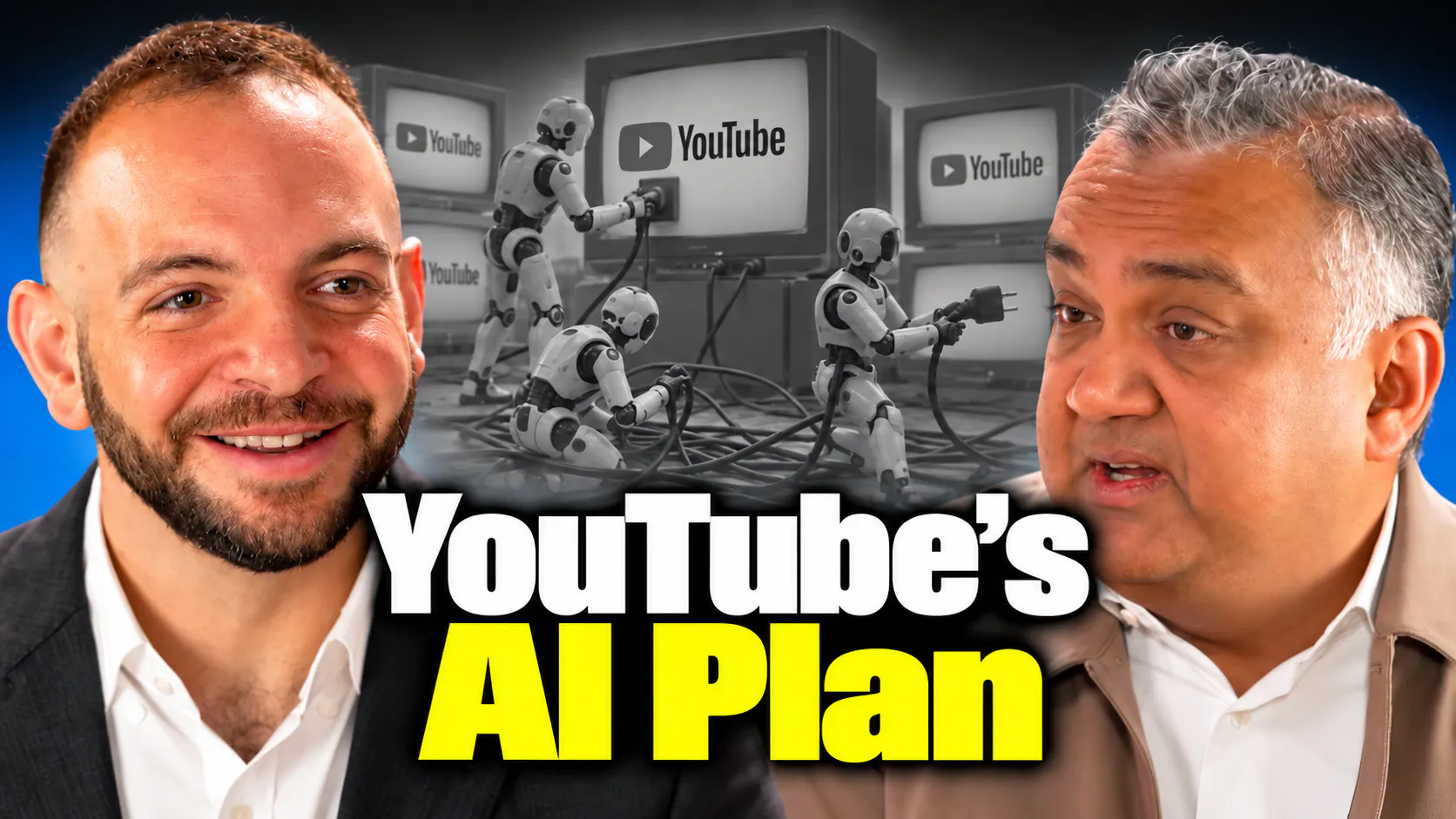
In response to concerns that AI optimization leads to content sameness, CEO Neal Mohan argues the opposite. He claims YouTube's massive scale and lack of gatekeepers allow millions of hyper-specific, yet large, niche communities to flourish, thereby promoting content diversity rather than homogeneity.
Creators intentionally produce evergreen episodes on broad topics like historical conspiracies. While these get fewer views initially compared to timely news reactions, they dominate in long-term performance as they are continually discovered and recommended by YouTube's algorithm, building a more valuable and durable content library.

Creators like DougDoug evolved from streaming video games to hosting a popular podcast on business and politics. They followed their own changing interests, creating a space for serious discussion that was previously absent in their corner of the YouTube ecosystem, thereby attracting a large, untapped audience.