Get your free personalized podcast brief
We scan new podcasts and send you the top 5 insights daily.
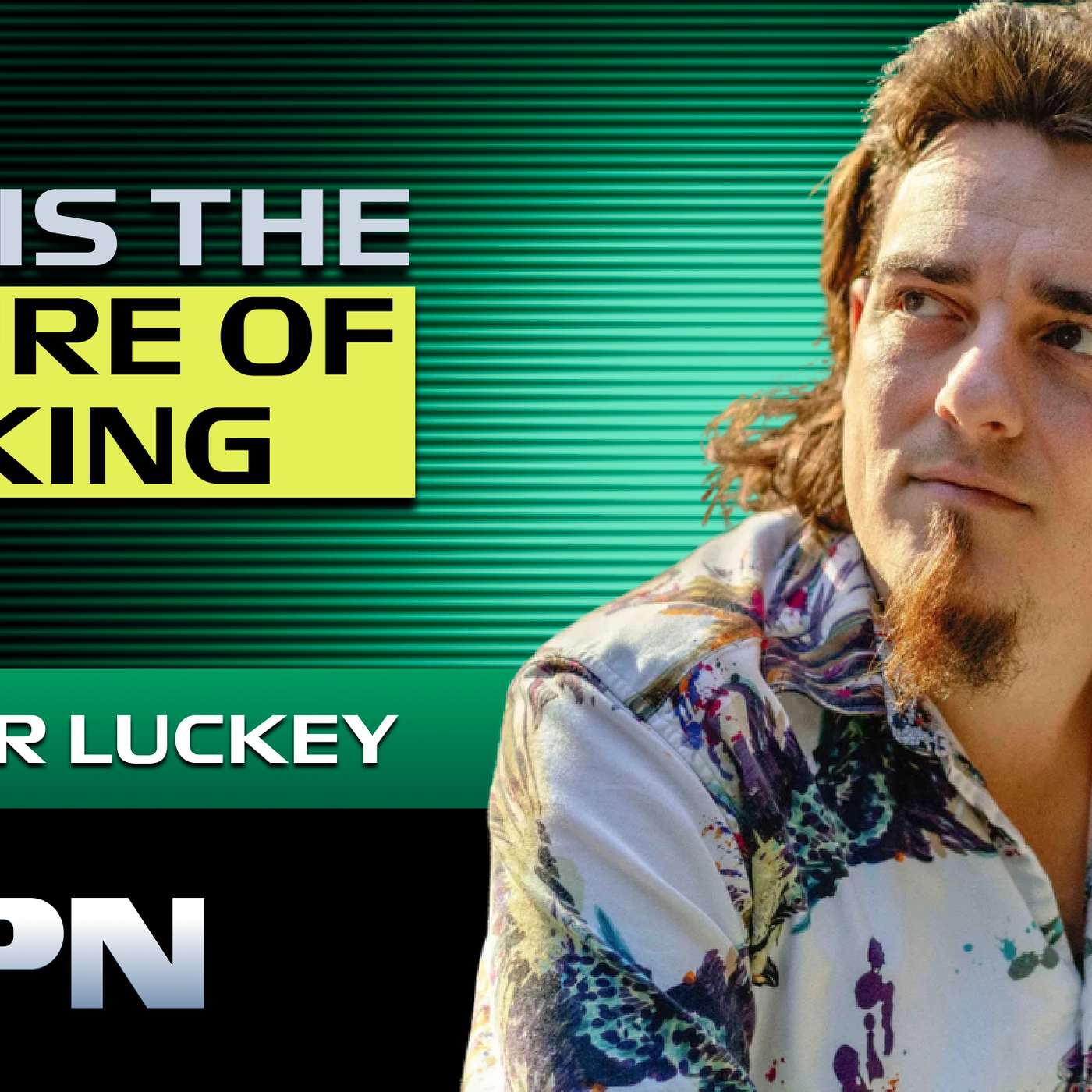
Palmer Luckey's bank, Erebor, takes the unusual position of complying only with U.S. law, explicitly stating it "will not comply with spurious rulings from people who have no real jurisdiction." This contrasts with global banks beholden to multiple markets and is a key differentiator for companies aligned with U.S. interests.
Related Insights
Erebor, a new bank from Palmer Luckey and Joe Lonsdale, achieved the fastest approval in 25 years by flipping the traditional growth model. Instead of aggressive lending, they plan to lend only 50% of deposits (vs. the typical 90%), signaling to regulators that stability, not risk, is their priority.

Palmer Luckey argues that relying on another bank's charter forces you to appease their risk tolerance and political pressures. Owning the charter means "the buck stops with you," ensuring you control your own de-banking and censorship decisions rather than having them dictated by upstream partners.
In unstable environments, adherence to Western standards for food safety and anti-bribery isn't a burden but a key differentiator. It attracts other multinationals as customers who value reliability and predictability, knowing contracts will be honored without illicit payments.

CME's CEO frames a competitor's choice to clear US Treasury futures in the UK as a national financial security issue. He argues that US sovereign debt should be governed by US law, not UK bankruptcy rules, to prevent scenarios where foreign regulators could halt trading or bust trades, impacting the entire US market.
America's system of nearly 10,000 banks is not a market inefficiency but a direct result of the founding fathers' aversion to centralized, oligopolistic British banks. They deliberately architected a fractured system to prevent the concentration of financial power and to better serve local business people, a principle that still shapes the economy today.

Contrary to being another SVB, Palmer Luckey's new bank Erebor is designed as its opposite. It targets tech and defense customers with a hyper-conservative model focused on high deposit-to-loan ratios, prioritizing capital safety over yield for its startup clients.
Circle's CEO chose to engage US regulators from the start in 2013, a harder path than competitors who went offshore. This "buttoned up" approach, while met with hate from crypto purists, established long-term trust and a competitive moat, which proved crucial for attracting institutional partners.

Despite most activity being in Asia, Standard Chartered remains headquartered in the UK. The CEO explains this provides access to sophisticated regulators for their complex business and avoids having to 'choose sides' between its largest competing hubs like Hong Kong and Singapore.

Geopolitical shifts mean a company's country of origin heavily influences its market access and tariff burdens. This "corporate nationality" creates an uneven playing field, where a business's location can instantly become a massive advantage or liability compared to competitors.
Instead of reacting to court orders, Palmer Luckey's Erebor bank preemptively works with intelligence services. This strategy aims to create a fraud-resistant platform, attracting legitimate clients and deterring malicious actors from the start, turning compliance into a competitive advantage.