Get your free personalized podcast brief
We scan new podcasts and send you the top 5 insights daily.
Unlike aspirational mission statements, brand archetypes provide a practical framework for decision-making. For DDN, the 'Creator' archetype isn't a vague goal but an operational principle—'mastering complexity for customer breakthroughs'—that guides teams globally, making it a scalable form of judgment.

Related Insights
Instead of viewing legal and brand guidelines as limitations, see them as a framework that focuses creativity. These 'guardrails' define the playing field, and the most innovative work happens when you masterfully play within those boundaries. True creativity thrives on solving problems within constraints, not in their absence.
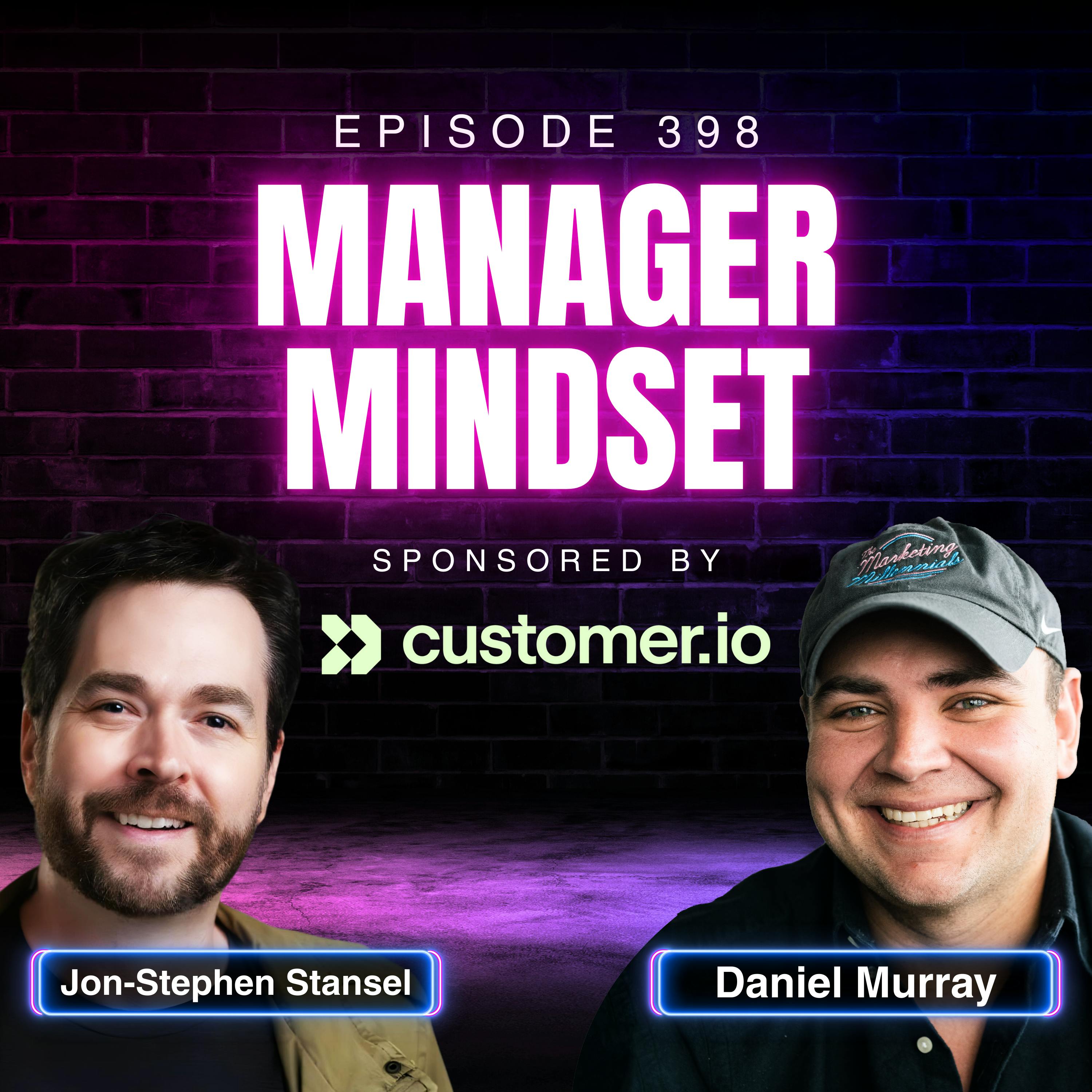
A brand's strength is tested not in CEO presentations (the center) but in real-world applications like sales decks and event banners (the edges). To prevent brand dilution, DDN proactively created comprehensive and flexible systems for these edge cases, ensuring consistent adoption by decentralized teams.
To maintain brand integrity while scaling, Crunch Labs translated its ethos into three actionable pillars: 'Spark Curiosity, Embrace Failure, Build Creative Confidence.' This framework is now a universal filter used by every team to evaluate all projects, from new products to ad campaigns, ensuring consistent alignment.

To avoid an inconsistent, 'all over the place' approach, companies must establish a common brand-building philosophy or framework. This shared point of view, like Molson Coors's MUSCLE framework, ensures organizational alignment and helps build a cohesive marketing culture.
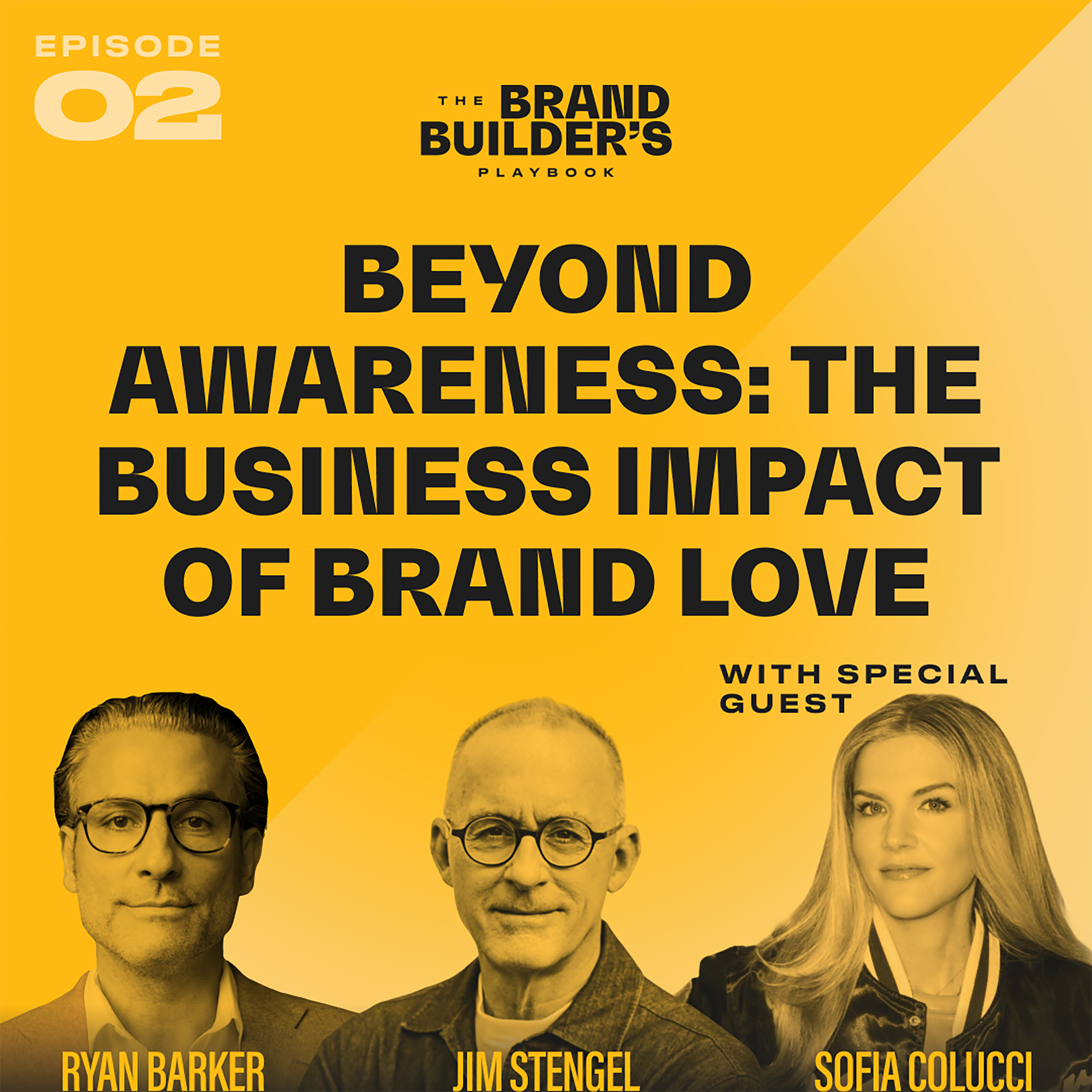
Instead of vague goals like "be seamless," Zurich created 33 specific standards, like "every conversation starts where the last one ended." This provides clear, actionable direction for the entire organization, turning an abstract vision into a shared, measurable language for execution.

A strategy defined only by the current product and target audience is brittle and fails to guide future development. A more holistic strategy is built on the company's underlying ethos, or 'how we do things.' This ethos provides a durable foundation for future product and marketing decisions.

A strong brand archetype acts as a powerful 'behavioral constraint' for AI, guiding it beyond generic outputs. By prompting AI with specific brand traits derived from the archetype (e.g., 'be visionary' or 'be precise'), teams can generate on-brand copy that is 80% complete, requiring only human judgment for the final nuance.
True brand consistency isn't about making everything identical. Like siblings who share family traits but look different, brand executions should be 'consistently inconsistent.' They must clearly originate from the same brand DNA (the design system and archetype) but can be expressed in varied, non-repetitive ways.
A powerful brand story serves as an internal rallying cry. By sharing marketing assets like brand videos internally, teams like product, engineering, and finance become inspired by the mission. This raises the internal bar and motivates them to build a product that lives up to the brand's promise.

To build an authentic brand, move beyond product features and engage in an introspective process. By answering these three core questions, a company can establish its foundational ethos. This 'universal truth' then serves as a guiding principle for all external communication and strategic decisions.
