Get your free personalized podcast brief
We scan new podcasts and send you the top 5 insights daily.
By connecting external apps (e.g., social media schedulers, design tools) to an AI assistant, you can use conversational prompts to orchestrate complex workflows. This transforms the AI from a simple content generator into a central hub for managing your entire digital toolkit.

Related Insights
When working with multiple AI tools (e.g., an LLM for strategy, another for code, a third for images), delegate the task of writing prompts to your main AI partner. Explain your goal, and have it generate the precise instructions for the other tools. This saves time and ensures greater precision in your communications across a complex AI stack.

The evolution of 'agentic AI' extends beyond content generation to automating the connective tissue of business operations. Its future value is in initiating workflows that span departments, such as kickstarting creative briefs for marketing, creating product backlogs from feedback, and generating service tickets, streamlining operational handoffs.

Don't just save good prompts; codify entire successful back-and-forth conversations into reusable "skills" within AI platforms like Claude. This automates complex, multi-step tasks like content repurposing with a single command, saving significant time.
Instead of relying on one-off prompts, professionals can now rapidly build a collection of interconnected internal AI applications. This "personal software stack" can manage everything from investments and content creation to data analysis, creating a bespoke productivity system.
Instead of asking an AI to repurpose content ad-hoc, instruct it to build a persistent "content repurposing hub." This interactive artifact can take a single input (like a blog post URL) and automatically generate and organize assets for multiple channels (LinkedIn, Twitter, email) in one shareable location, creating a scalable content remixing system.
User workflows rarely exist in a single application; they span tools like Slack, calendars, and documents. A truly helpful AI must operate across these tools, creating a unified "desired path" that reflects how people actually work, rather than being confined by app boundaries.

Go beyond single-use skills by chaining them together. For instance, a daily 'morning brief' skill can be designed to automatically trigger a 'podcast guest research' skill whenever a podcast is detected on your calendar. This creates complex, multi-layered automations that run without manual intervention.

The next major leap for AI is its ability to connect disparate apps and data sources (email, calendar, location) to take autonomous actions. This will move AI from a Q&A tool to a proactive agent that seamlessly manages complex workflows.
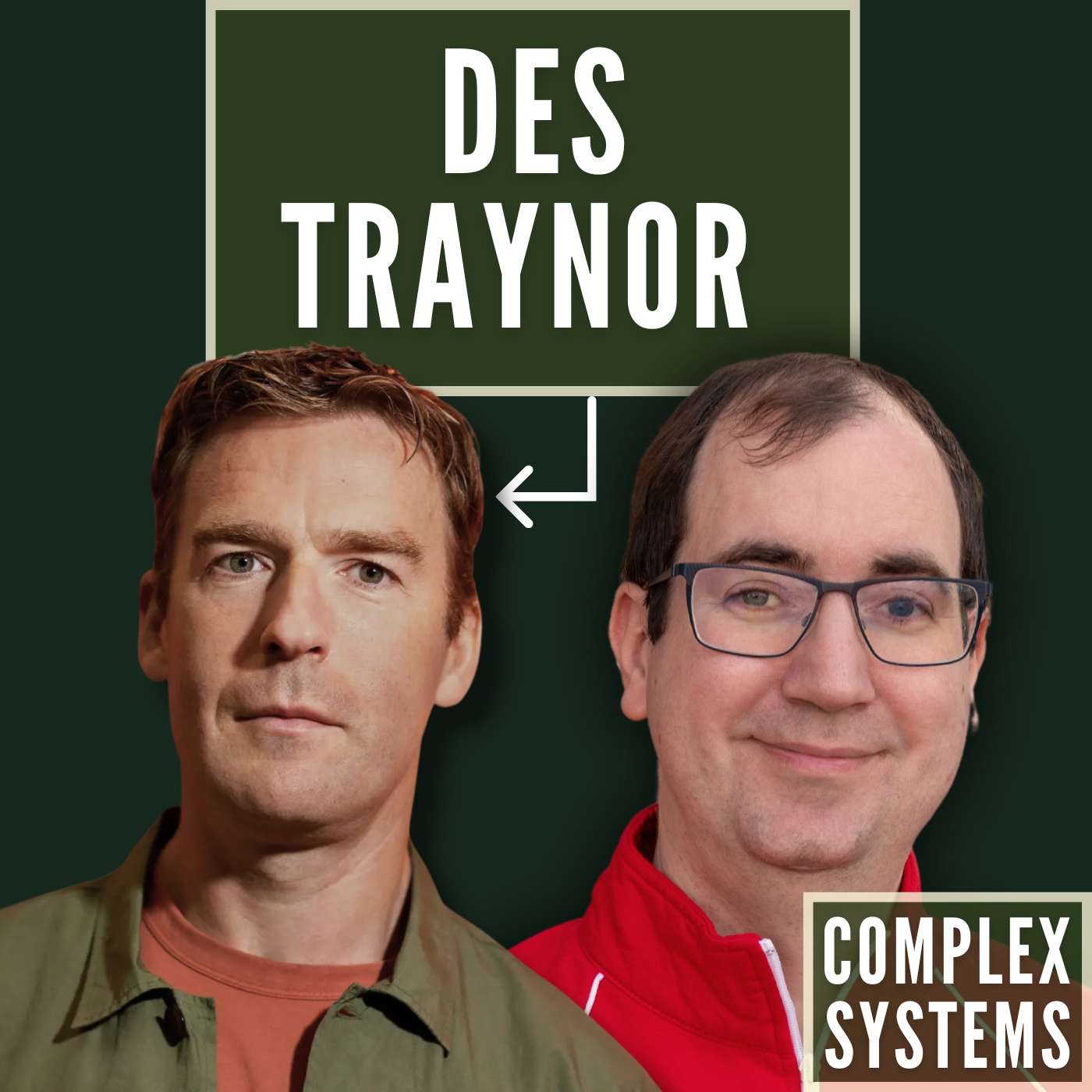
Frame tasks as a chain of "and then" actions an infinitely staffed team would perform. For example, a customer query in Slack is answered, "and then" AI turns it into a help article, "and then" it becomes SEO content. AI makes these previously cost-prohibitive workflows achievable.
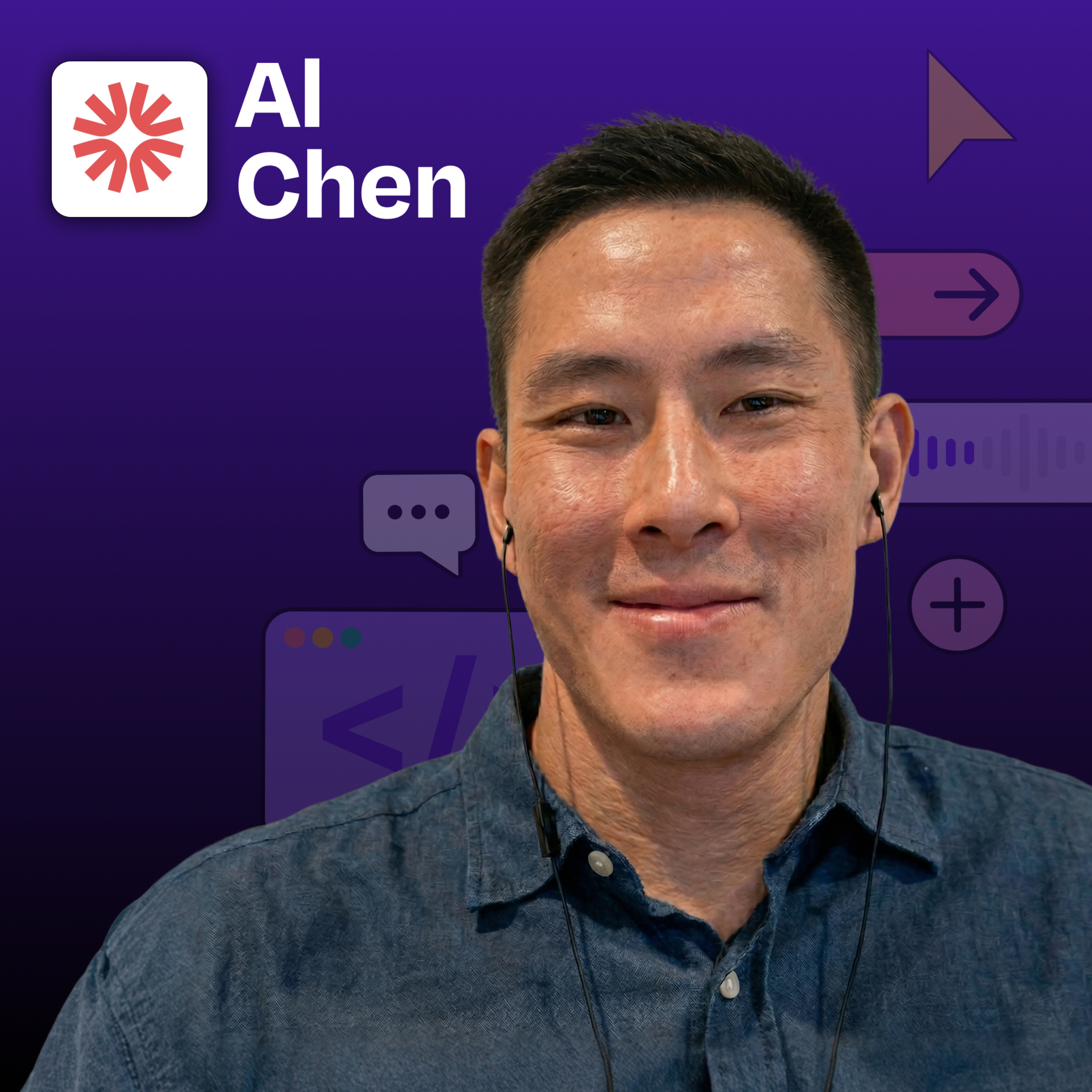
Build a high-level "Orchestrator Skill" that acts like a user interface within the terminal. It can analyze a project's state, present the user with a menu of logical next steps, and then call other specialized skills to execute the chosen task, removing the friction of knowing what to ask next.