Get your free personalized podcast brief
We scan new podcasts and send you the top 5 insights daily.
The choice of an ostentatious celebrity businessman like Kevin O'Leary to champion a massive data center creates a PR vulnerability. His 'soft target' image allows opponents to easily frame the project as a greedy, elite-driven venture, undermining its technical merits, unlike the subdued approach of past tech leaders like Tim Cook.
Related Insights
The negative reaction to Sam Altman's "AI as a utility" comment highlights a deeper issue. The public's growing unease is fueled by a long-simmering disdain for figureheads like Altman and Musk, making the messenger, not just the message, a critical PR challenge for the AI industry.

The AI industry's attempts to counter public opposition to data centers by debunking environmental myths are failing. A more effective strategy is a marketing shift towards providing direct community benefits, like free electricity or Wi-Fi, to give citizens a personal stake.

The backlash against data centers is often driven by abstract fears, like the meme of creating a 'permanent underclass,' rather than tangible concerns like health risks. This suggests the industry's primary challenge is a narrative and public relations problem, not a scientific or environmental one that can be solved with data alone.

Instead of aggressive pushback, powerful executives respond to criticism with invitations for meetings and speaking engagements. This charm offensive is a deliberate strategy to co-opt critics, making them less likely to speak their minds freely. Maintaining objectivity requires actively avoiding these relationships.

Public opposition to datacenters focuses on abstract negatives because the industry fails to lead with its concrete local benefits, such as generating nearly $100 million in annual taxes and creating hundreds of jobs. Highlighting these tangible advantages can reframe the public debate from a nuisance to a community asset, countering the abstract, anti-tech sentiment.
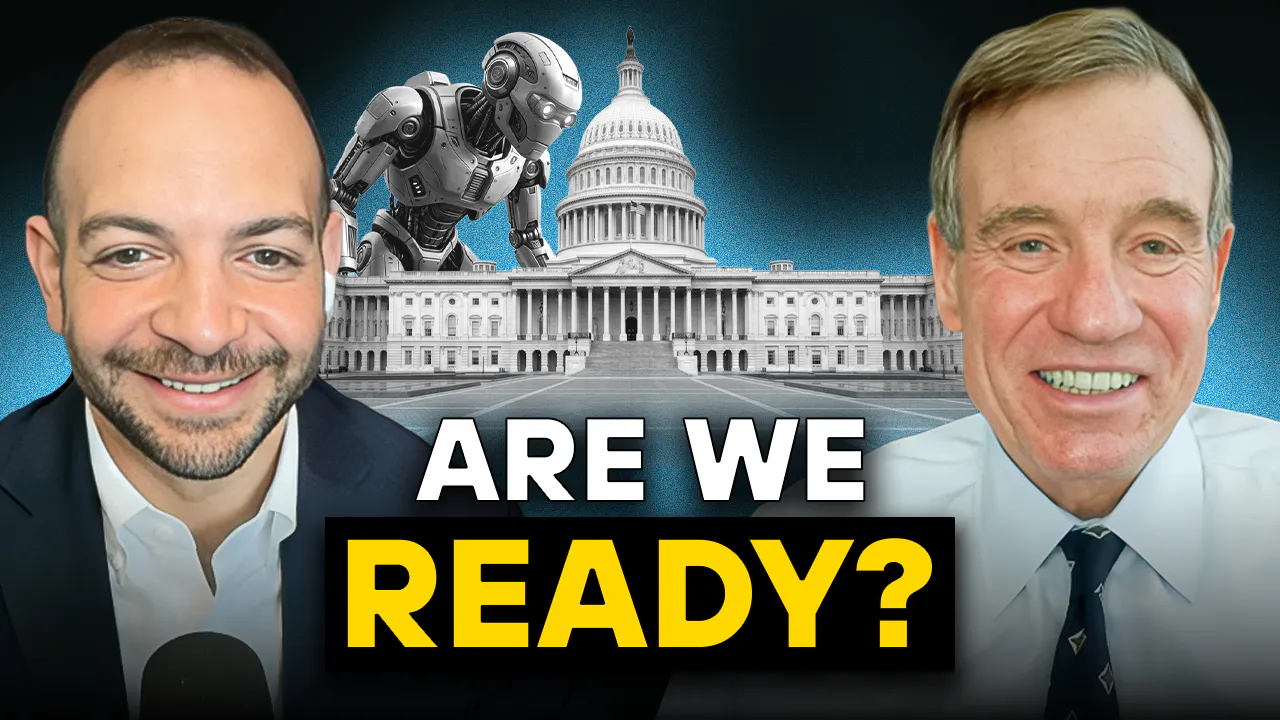
Public opinion polls show strong opposition to data centers based on environmental and cost concerns. Senator Warner suggests these local fights are a tangible outlet for the public's more abstract fears about AI's societal impact, making data centers a key political battleground for the entire industry.
Early in his post-exit career, O'Leary's private equity partners advised him to keep a low profile, as is typical in the industry. He rejected this, choosing instead to build a media presence to ensure he was "in the narrative," which he later leveraged for business and political influence.

Facing public backlash, John D. Rockefeller built Rockefeller Center, a massive architectural project that laundered his reputation. Similarly, as AI companies face "not in my backyard" resistance to data centers, they can make them beautiful public amenities to win over local communities.

Companies like Apple and Google built data centers for years with little public opposition, led by understated figures like Tim Cook. In contrast, flamboyant personalities like Kevin O'Leary become "soft targets," making it easier to rally sentiment against their projects.

Public opposition to AI data centers stems from early strategic errors by hyperscalers. By cutting deals that raised local power rates and aggressively seeking tax breaks without community engagement, they alienated the rural areas they sought to build in, creating an avoidable PR problem.
