Get your free personalized podcast brief
We scan new podcasts and send you the top 5 insights daily.
Services like Instinct let users' AI agents coordinate directly, streamlining tasks like scheduling. However, this offloads communication that previously occurred between people, leading to less direct contact and potentially serious social repercussions as we lose context from our human relationships.

Related Insights
The introduction of personal AI agents forces teams to develop new, unwritten rules about when to contact a human versus their AI counterpart. This creates a new social dynamic and ethical considerations around workload, urgency, and the 'burden' of escalating a request to the human.

Our conversations with AI are typically directive and lack empathy. This trains a "conversational muscle" that is ill-suited for the nuance and reciprocity required in human relationships, leading to disconnection.

The value in many human interactions, like a friend reaching out, comes from the effort they expended, which signals they care. Automating these gestures with AI removes the effort, thus stripping the interaction of its perceived value and authenticity.

The next wave of consumer AI will shift from individual productivity to fostering connectivity. AI agents will facilitate interactions between people, helping them understand each other better and addressing the core human need to 'be seen,' creating new social dynamics.

Isolated AI workflows create team disconnects. Pablo Stanley argues for integrating agents into shared, Slack-like environments where they become first-class participants. This allows for transparent, collaborative work between humans and AI, rather than having individuals work with agents in private.
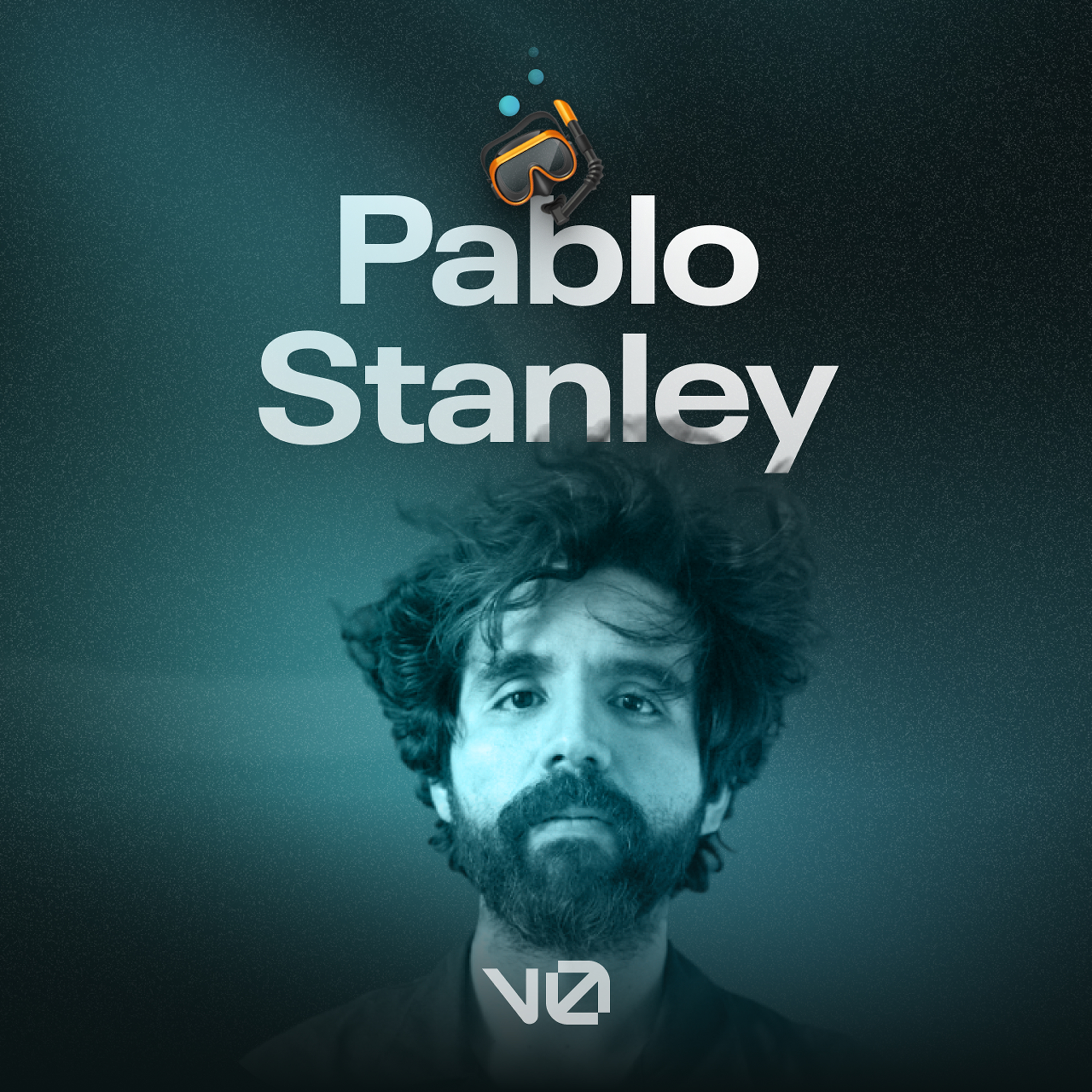
As people increasingly use AI to script difficult conversations, apologies, or even romantic texts, they avoid the necessary "friction" of real interaction where learning occurs. This positions AI as a social "calculator," atrophying our innate ability to navigate human dynamics.
Instead of helping users draft messages, the true evolution of communication is AI agents negotiating tasks like scheduling meetings directly with other agents. This bypasses the need for manual back-and-forth in apps like iMessage.

Instead of replacing human interaction, AI's real power is as a social facilitator. Agents can coordinate plans between friends behind the scenes, removing the social friction and vulnerability of initiating get-togethers, ultimately leading to more and better real-life experiences.
While AI acts as a 'superpower' for individual productivity, it creates a new risk: isolation. As professionals spend more time interacting with AI, they spend less time in 'messy' but vital human collaborations with colleagues, potentially stifling serendipity, mentorship, and team cohesion.
![Vlad Barbalat - Investing $120 Billion in Permanent Capital - [Invest Like the Best, EP.479] thumbnail](https://megaphone.imgix.net/podcasts/2152d90e-6ea2-11f1-bf4e-975e0e419694/image/fcbbe05dc456cfb6040005d3f6424c41.jpg?ixlib=rails-4.3.1&max-w=3000&max-h=3000&fit=crop&auto=format,compress)
The future of AI is not just humans talking to AI, but a world where personal agents communicate directly with business agents (e.g., your agent negotiating a loan with a bank's agent). This will necessitate new communication protocols and guardrails, creating a societal transformation comparable to the early internet.
