Get your free personalized podcast brief
We scan new podcasts and send you the top 5 insights daily.
A cultural divide exists in biotech investing. East Coast VCs, rooted in a traditional biotech ecosystem, are more skeptical of AI and demand hard biological data. West Coast VCs, surrounded by tech innovation, are more comfortable backing the promise of AI platforms before seeing extensive wet lab validation.

Related Insights
Investor sentiment has fundamentally changed. During the COVID era, investors funded good ideas. Now, they want to de-risk their investments as much as possible, often requiring solid Phase 1 and even compelling Phase 2 data before committing significant capital.

The VC landscape has split into two extremes. A few elite firms and sovereign wealth funds are funding mega-rounds for about 20-30 top AI companies, while the broader ecosystem of seed funds, Series A specialists, and new managers is getting crushed by a lack of capital and liquidity.

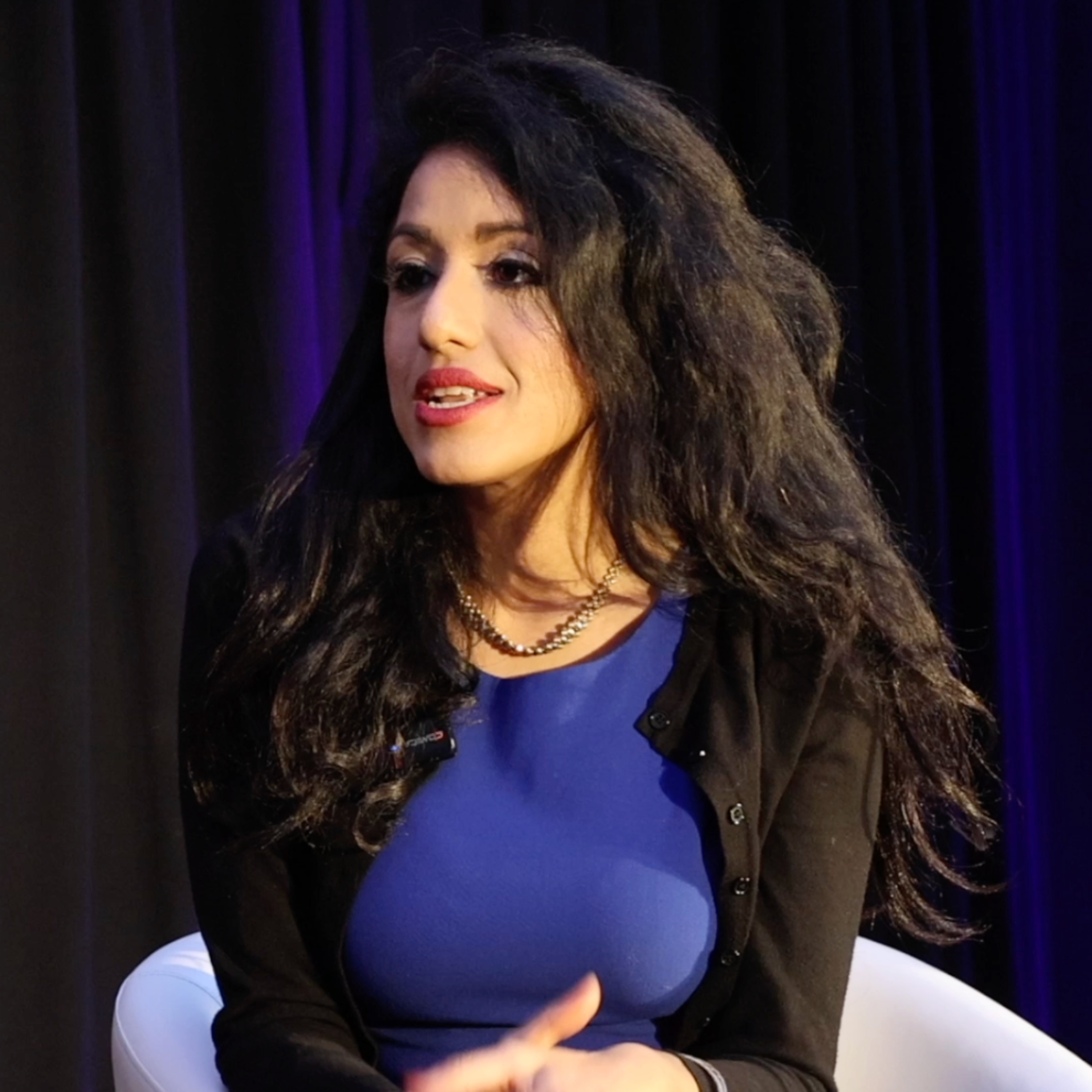
Recursion's CEO Najat Khan argues that the key to success in tech-bio is not just hiring scientists and engineers, but cultivating a 'bilingual' culture. This requires scientists who understand AI's limitations and AI experts who appreciate the humility needed for science. This integrated talent and culture is a core competitive advantage that is difficult for larger, more siloed organizations to replicate.
Tech-focused venture firms are finding their AI investment thesis fails in biotech. Despite massive paper profits in tech AI, their biotech AI portfolios show negative returns. This is because AI has yet to solve the complex biological bottlenecks of drug development, particularly in clinical trials, which remain slow and costly.

In stark contrast to the US, Chinese investors are accelerating funding for early-stage cell and gene therapies, which now account for 29% of seed/Series A rounds. These firms are specifically backing technologies like NK cell therapies, which have fallen out of favor in the West, creating a divergent global innovation strategy.

The current AI investment frenzy is a powerful feedback loop. Silicon Valley labs promote a grand narrative to justify huge capital needs. Simultaneously, Wall Street firms earn massive fees by financing this buildout, creating a shared, bi-coastal incentive to keep the 'super cycle' narrative going, independent of immediate profitability.

Unlike prior tech cycles with a clear direction, the AI wave has a deep divide. SaaS vendors see AI enhancing existing applications, while venture capitalists bet that AI models will subsume and replace the entire SaaS application layer, creating massive disruption.

The life sciences investor base is highly technical, demanding concrete data and a clear path to profitability. This rigor acts as a natural barrier to the kind of narrative-driven, AI-fueled hype seen in other sectors, delaying froth until fundamental catalysts are proven.

VC Bruce Booth warns that investors without deep biotech R&D experience are backing AI-driven drug discovery companies at inflated valuations. He predicts many will 'get their hands burned' due to flawed assumptions about value creation in the sector.

Despite a stable flow of absolute dollars into biotech venture, the sector's relative share of all VC funding has shrunk from ~14% to ~7%. This is due to the denominator effect of massive capital flooding into AI-focused tech companies.