Get your free personalized podcast brief
We scan new podcasts and send you the top 5 insights daily.
By framing the national budget like a family's, Thatcher made complex economic policies relatable. This persona cast her as a practical, no-nonsense outsider, contrasting sharply with the male political establishment and resonating with middle-class voters.

Related Insights
By 1975, Britain was widely seen as the "sick man of Europe," facing extreme inflation, industrial strife, and a crisis of confidence. This apocalyptic atmosphere created an appetite for a leader who promised decisive, radical change.
The defining political and cultural conflict of modern Britain is the ideological battle between Clement Attlee and Margaret Thatcher. Attlee established the post-war socialist consensus (NHS, welfare state), while Thatcher introduced radical individualism and free-market capitalism, creating a lasting tension that shapes the nation today.

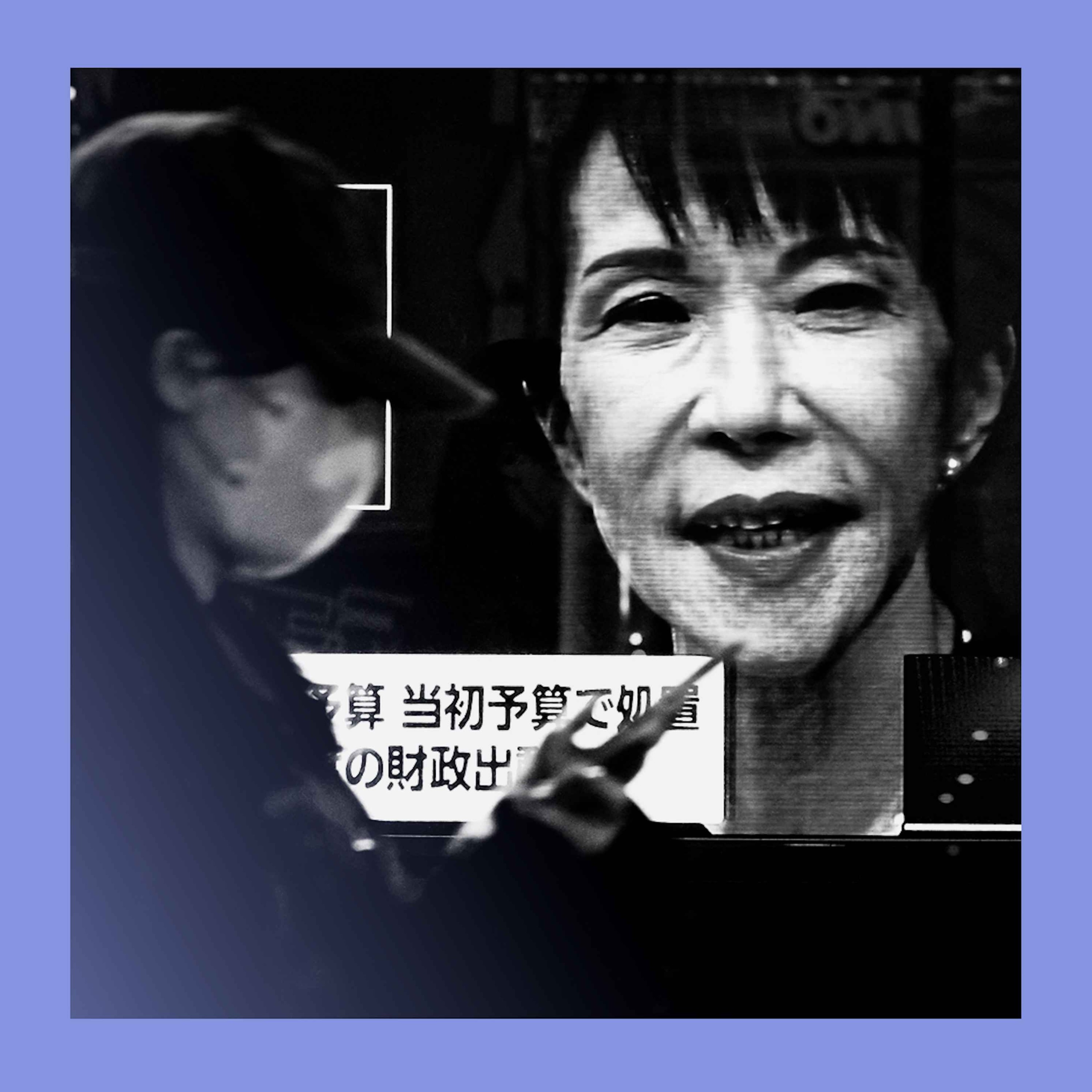
Prime Minister Takeuchi's immense popularity, especially among voters under 30, stems from her relatable, plain-spoken style, which contrasts sharply with traditional politicians. This stylistic appeal has proven more potent in building a strong support base than a list of concrete policy achievements.
Traditional economics often repels people with complex math. Economist Kate Raworth intentionally used the simple, non-threatening metaphor of a "donut" for her alternative economic model. This disarmed common fears around the subject and encouraged broader, more accessible engagement.

As the sole woman in the cabinet, Thatcher was highly visible and distinct from the "men in gray suits." However, this also led male colleagues to dismiss her based on her gender and class, failing to see her as a serious leadership threat until it was too late.
Thatcher's politics were uniquely shaped by the Methodist values of her father: hard work, thrift, and a clear line between good and evil. This infused her rhetoric with a moral certainty and evangelical fervor that was unusual for a Conservative leader.
Thatcher's support came from MPs with middle-class, grammar school backgrounds, while the old guard of public school gentry opposed her. Her victory signaled a transfer of power to a more aspirational, less paternalistic wing of the party.
The Labour government and establishment Tories celebrated Thatcher's victory, assuming her right-wing views and "bossy" style made her unelectable. This underestimation gave her space to build support without being seen as a credible threat.
Early in her career, Thatcher had a higher, less controlled voice. She later underwent elocution training to develop the slower, deeper tone she became famous for, deliberately crafting an image of strength and authority.
Counterintuitively, the first female US president is predicted to be a Republican embodying a Margaret Thatcher-like 'Iron Lady' persona. To overcome gender bias, this theory suggests she will need a reputation for being exceptionally tough, possibly even more hawkish than her male counterparts, to be seen as electable.