Get your free personalized podcast brief
We scan new podcasts and send you the top 5 insights daily.
The reinsurance giant creates virtual replicas of client assets, down to a specific address (lat-long). These digital twins are then stress-tested against various scenarios like hurricanes or heat waves, allowing for highly granular and predictive risk quantification for individual properties or entire portfolios.

Related Insights
According to Swiss Re's analysis, there is a clear financial return on proactive risk mitigation. For every one dollar invested in preventative measures, such as building dikes for floods, an estimated ten dollars are saved in post-event rebuilding costs.
Insurers lack the historical loss data required to price novel AI risks. The solution is to use red teaming and systematic evaluations to create a large pool of "synthetic data" on how an AI product behaves and fails. This data on failure frequency and severity can be directly plugged into traditional actuarial models.

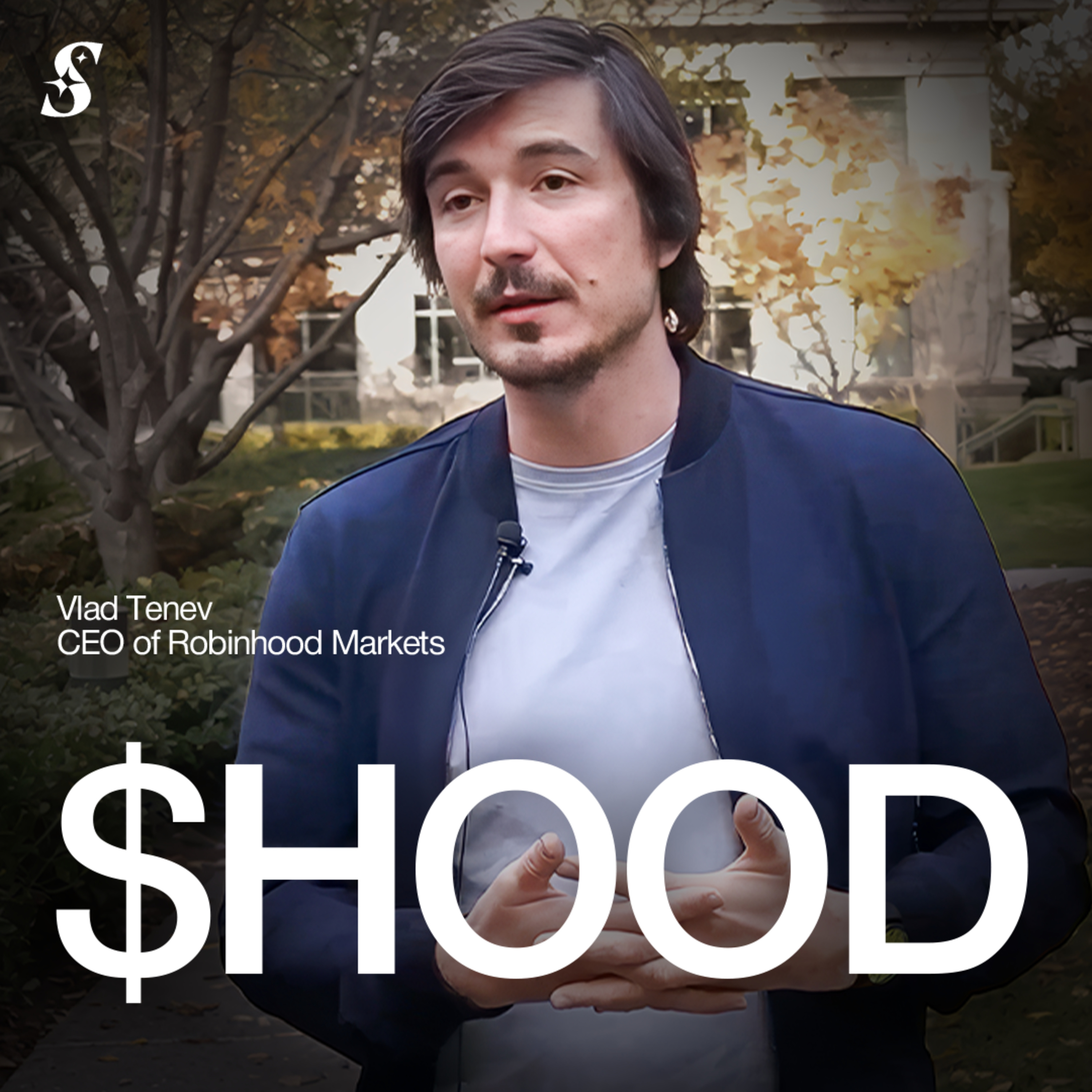
CEO Vlad Tenev views prediction markets as a tool to disrupt massive industries like insurance. He highlights using weather markets to hedge against fire or hurricane risk, creating bespoke, competitive financial products that bypass the cumbersome, expensive traditional insurance brokerage process.
While climate change is a factor, the main reason for rising insured losses from natural disasters is increased population and asset concentration in high-risk areas like coasts and forests.
Game engines and procedural generation, built for entertainment, now create interactive, simulated models of cities and ecosystems. These "digital twins" allow urban planners and scientists to test scenarios like climate change impacts before implementing real-world solutions.

Insurers like Aviva are finding it increasingly difficult to price risk for predictable climate-related catastrophes, such as houses repeatedly built on known floodplains. The near-inevitability of these events makes them uninsurable, prompting the creation of hybrid government-backed schemes where the private market can no longer operate.
AI models mirror a bioreactor in real time, creating a "digital twin." This allows operators to test process changes and potential failure modes virtually, without touching the actual, expensive physical system, much like having a virtual engineer working alongside them.

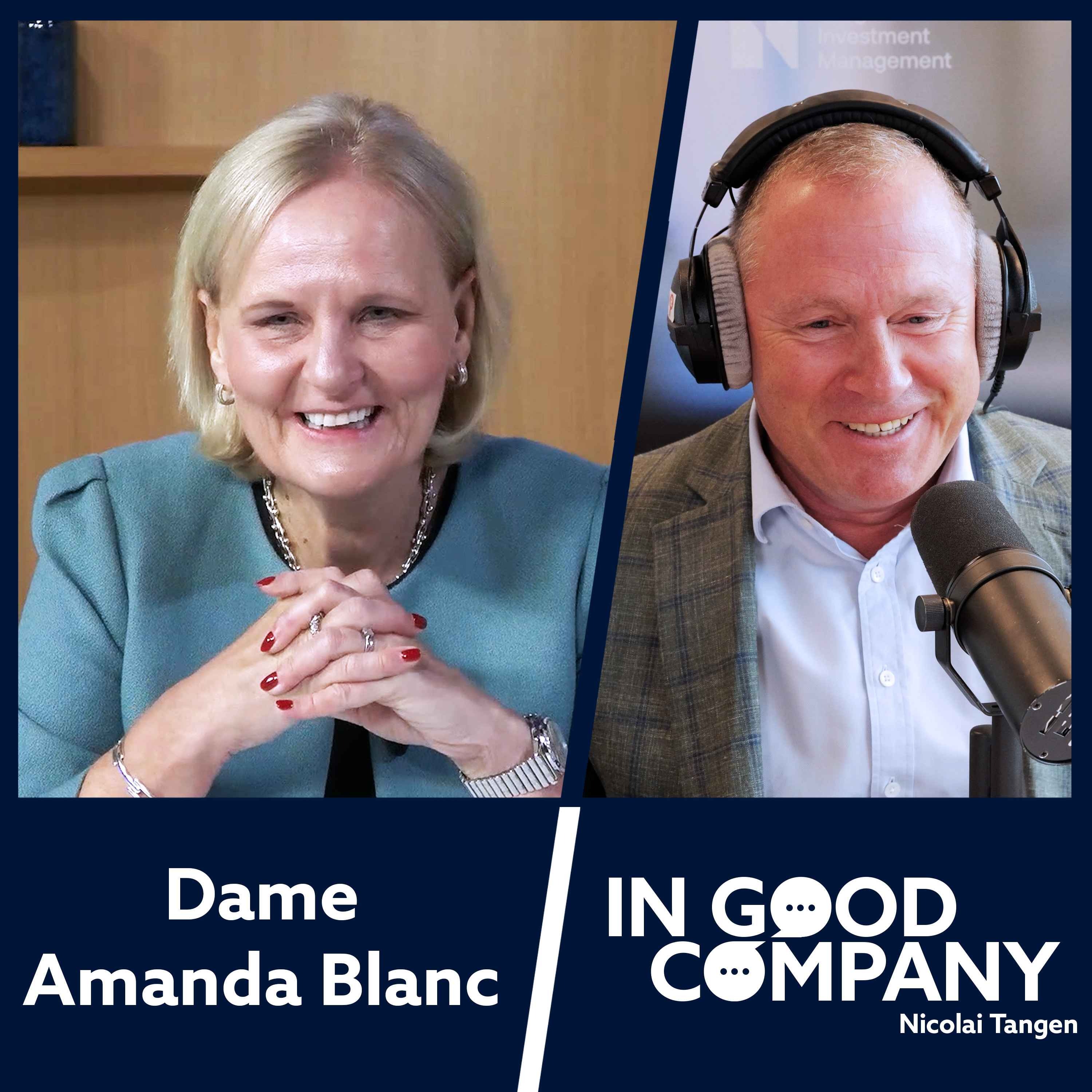
Swiss Re's CEO argues that risks like California wildfires are not inherently uninsurable. Instead, without loss prevention, the cost of insurance becomes unaffordable. The solution lies in shifting focus from mere risk transfer to proactive risk ownership and mitigation by property owners.
AI and big data give insurers increasingly precise information on individual risk. As they approach perfect prediction, the concept of insurance as risk-pooling breaks down. If an insurer knows your house will burn down and charges an equivalent premium, you're no longer insured; you're just pre-paying for a disaster.

Following events like Hurricane Ian, the reinsurance market has repriced risk dramatically. Wagner explains that a risk historically priced to pay out 15-20% (implying a ~1-in-6 year event) is now priced to pay out over 50% (implying a 1-in-2 year event), creating a significant opportunity from the dislocation.
