Get your free personalized podcast brief
We scan new podcasts and send you the top 5 insights daily.
To attract top technical talent for hard-tech problems, frame the work as tangible and epic. Kalanick's pitch isn't about shipping code; it's about 'automating a 2,000,000 pound machine.' This appeals to engineers who want to build real-world, science-fiction-level technology rather than another app.

Related Insights
Hiring managers often create AI-specific roles thinking it attracts experts. Instead, they should frame job descriptions around the complex problems the business needs to solve. This attracts true problem-solvers who can learn any necessary technology, rather than individuals skilled at keyword optimization.

When hiring senior engineers, the crucial test is whether they can build. This means assessing their ability to take a real-world business problem—like designing a warehouse system—and translate it into a tangible technical solution. This skill separates true builders from theoretical programmers.

Applied Intuition targets a specific talent profile: engineers who are not only experts in AI but also have a genuine passion for physical domains like sports cars or agriculture. This Venn diagram approach attracts specialists who might not be drawn to more generic AI labs.

When hiring senior technical talent, the most valuable skill isn't just coding proficiency but the ability to take an abstract business problem—like designing a logistics system—and translate it into a functional technical solution. This skill demonstrates a deeper understanding that connects work to real-world value.

Trilogy's configuration software wasn't as exciting as consumer products. They attracted top engineers by framing the work as tackling the world's hardest, unsolved AI problems. The allure for elite talent was the complexity of the technical challenge, not the surface-level appeal of the product.

To lure senior talent from giants like SpaceX, Base Power pitched more than equity. It offered a chance to work on humanity's hardest problems (energy), promising a continuous stream of complex challenges that top performers crave, alongside massive economic upside.

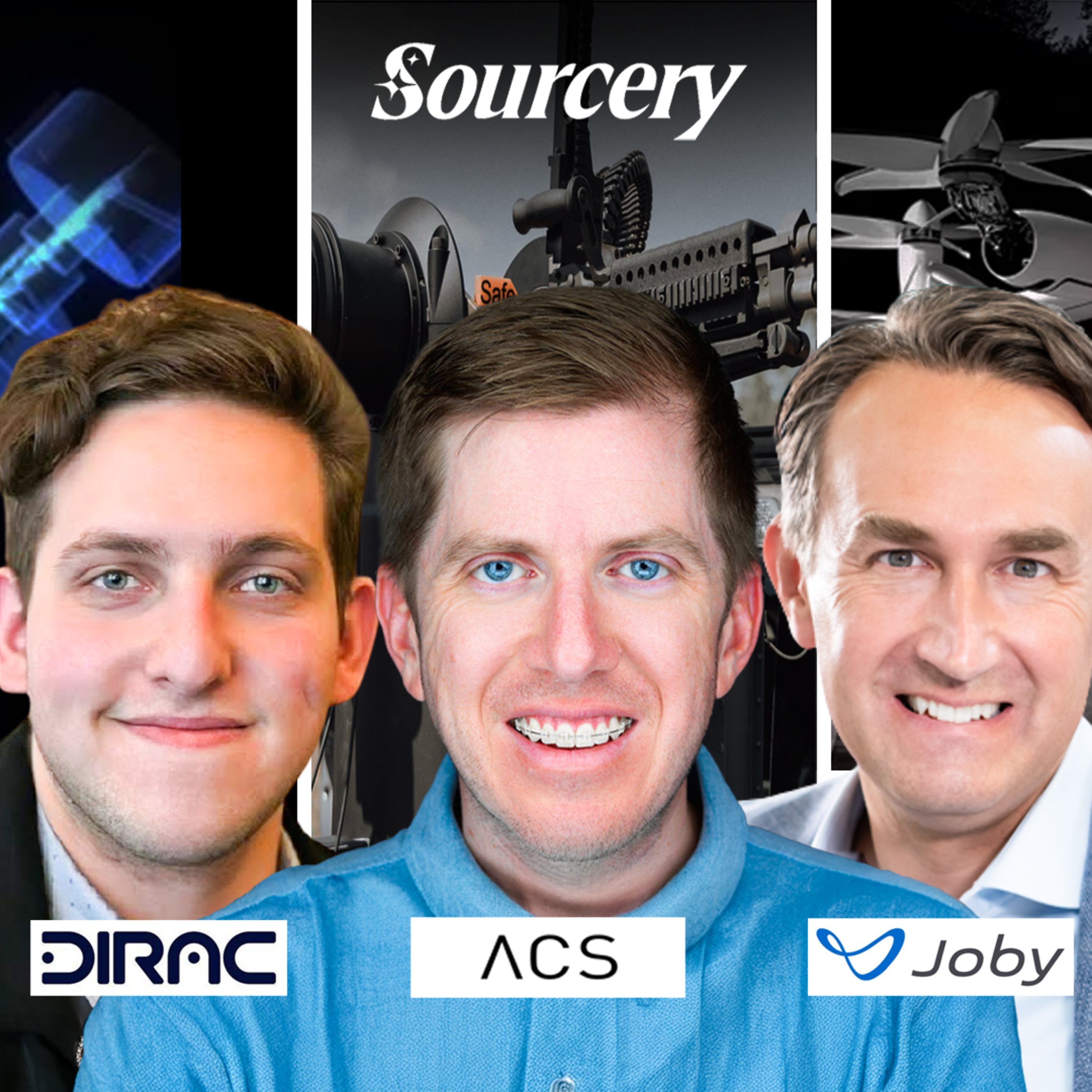
When asked how he recruits talent for a challenging hardware business, the founder of Allen Control Systems stated it's easy because 'We're making the greatest weapon system in American history.' This demonstrates that for deep tech and defense startups, a powerful and ambitious mission can be more effective than conventional recruiting strategies.
Solving a big, ambitious problem isn't just for market size; it's a powerful recruiting tool. It's not materially harder than solving a smaller problem, but it attracts more interesting, motivated people who want to work on challenging missions. This talent advantage can be decisive.

Nominal leverages its mission of building real-world things—like autonomous aircraft and fusion reactors—to attract top engineers. The appeal of tangible, meaningful impact provides a significant recruiting advantage over mainstream SaaS or ad-tech, especially for talent seeking purpose in their work.
The very best engineers optimize for their most precious asset: their time. They are less motivated by competing salary offers and more by the quality of the team, the problem they're solving, and the agency to build something meaningful without becoming a "cog" in a machine.