Get your free personalized podcast brief
We scan new podcasts and send you the top 5 insights daily.
Before mandating an AI transformation, Adi's CEO personally built his own AI stack from an empty cloud instance, including DevOps. This hands-on process gave him a deep, visceral understanding of the technology's potential and the conviction required to lead the entire company through the change.

Related Insights
AI is a 'hands-on revolution,' not a technological shift like the cloud that can be delegated to an IT department. To lead effectively, executives (including non-technical ones) must personally use AI tools. This direct experience is essential for understanding AI's potential and guiding teams through transformation.

Simply instructing engineers to "build AI" is ineffective. Leaders must develop hands-on proficiency with no-code tools to understand AI's capabilities and limitations. This direct experience provides the necessary context to guide technical teams, make bolder decisions, and avoid being misled.
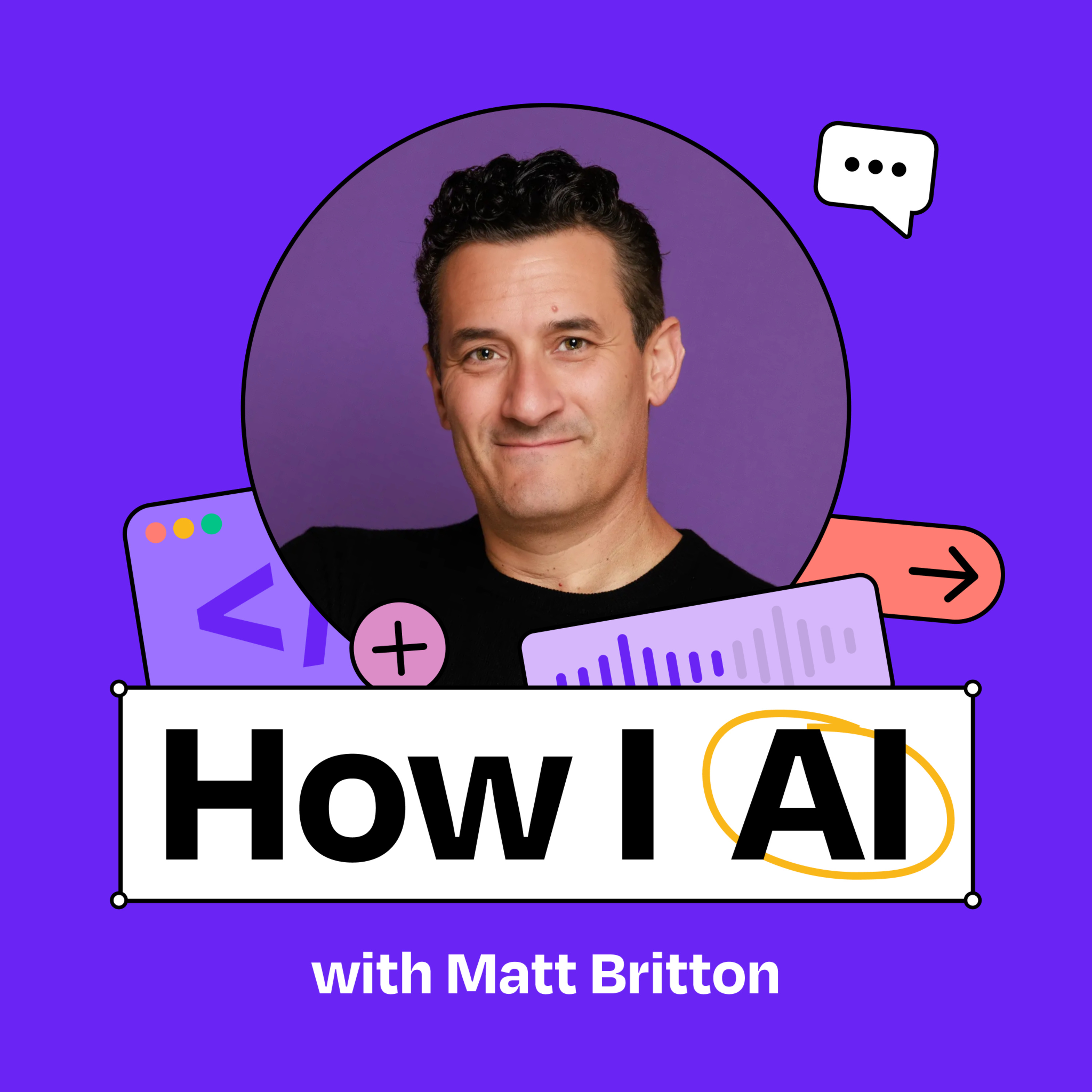
Successful AI adoption cannot be delegated. The CEO must personally and visibly lead the charge, going beyond mere lip service. If the top leader isn't fully bought in and driving the initiative, the organizational transformation required for AI will not take hold.

AI transformation can't be delegated. A CEO must personally set the pace, drive adoption, and even build initial proofs-of-concept to show the organization what's possible. The energy and urgency must come from the top; hiring a "Chief AI Officer" to outsource this responsibility is a recipe for failure.
Successful organizational transformation with AI isn't driven by special "AI working groups." The key indicator of success is when the CEO and leadership team are hands-on with AI tools every day. This direct experience builds the necessary intuition to lead an AI-native team.
Leading an AI transformation requires more than just delegation. Leaders must personally engage by building their own compounding AI 'stack'—a collection of skills, context files, and workflows. This hands-on experience is essential for developing intuition, understanding the technology's potential, and leading from the front.

The key to getting a company "unstuck" with AI isn't better tools or grassroots strategy, but a clear vision from the CEO. This establishes becoming an "AI-forward" organization as a non-negotiable mandate, creating the necessary momentum and expectation for employees to upskill and adapt.

CEOs who merely issue an "adopt AI" mandate and delegate it down the hierarchy set teams up for failure. Leaders must actively participate in hackathons and create "play space" for experimentation to demystify AI and drive genuine adoption from the top down, avoiding what's called the "delegation trap."
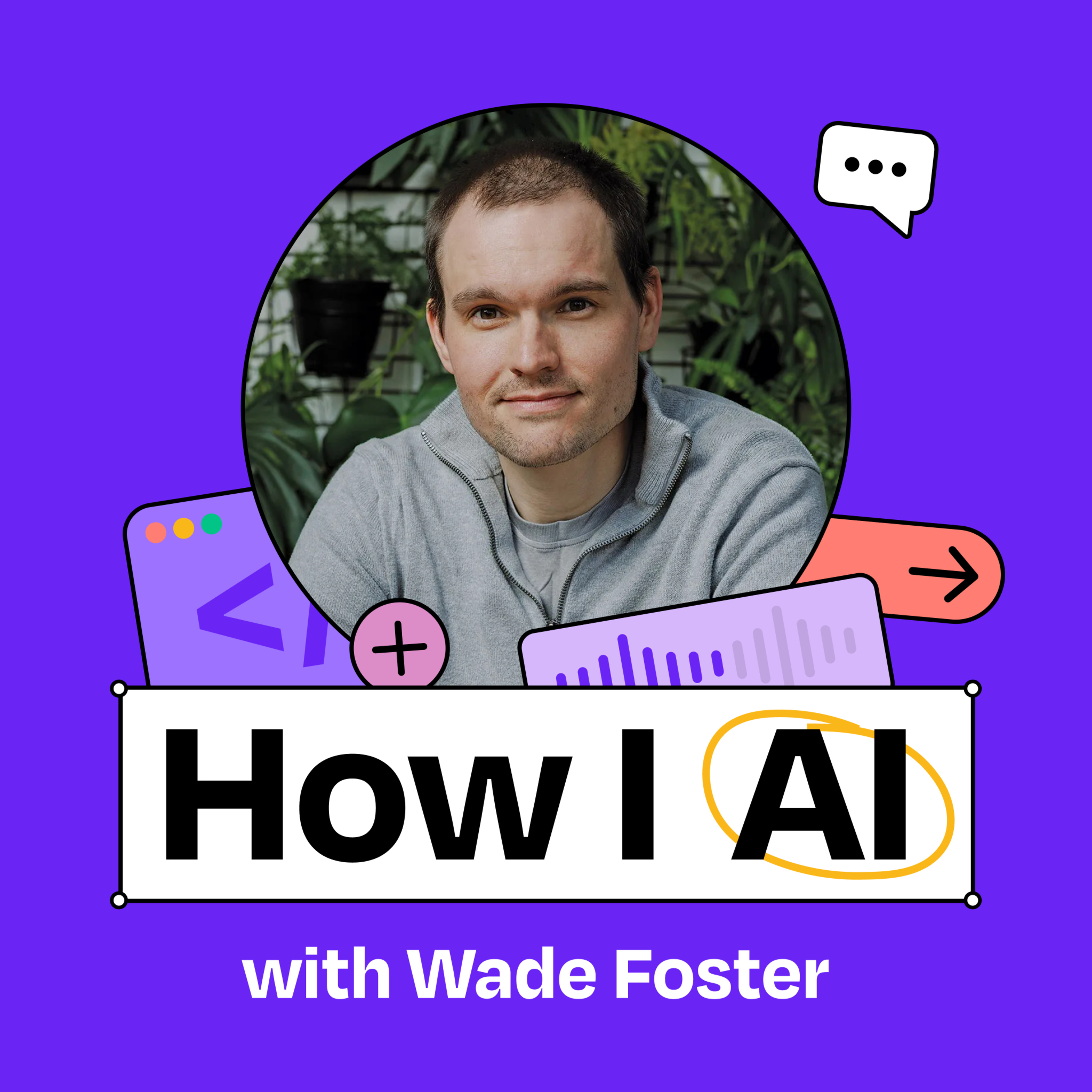
Successful AI integration is a leadership priority, not a tech project. Leaders must "walk the talk" by personally using AI as a thought partner for their highest-value work, like reviewing financial statements or defining strategy. This hands-on approach is necessary to cast the vision and lead the cultural change required.

To overcome skepticism in a large engineering organization, a leader must have deep conviction and actively use AI tools themselves. They must demonstrate practical value by solving real problems and automating tedious work, rather than just mandating usage from on high.
