Get your free personalized podcast brief
We scan new podcasts and send you the top 5 insights daily.
The pandemic shutdown wasn't just downtime for Chef Marcus Samuelsson; it was a chance to redesign his principles. He used the 'semi-pause' to create a new restaurant with women of color in all leadership roles, showing crises can be powerful catalysts for implementing systemic change.

Related Insights
FanDuel CEO Amy Howe's experience managing Ticketmaster through COVID, where revenue dropped to zero, gave her a unique comfort with ambiguity. This resilience became a key asset for leading a high-growth, volatile company like FanDuel.
Using the story of a closed factory, Hamdi Ulukaya illustrates that what initially appears to be a devastating event can become a catalyst for unprecedented positive change. This leadership mindset reframes challenges not as setbacks to be endured, but as chances to rebuild stronger.
When facing catastrophic uncertainty, Airbnb's CEO Brian Chesky created six guiding principles. He prioritized "principle decisions"—choices aligned with values, irrespective of the outcome—over "business decisions" based on predicting an unknowable future. This provided stability and a clear path forward.

For years, Sonya Lee's founder was financially supported by her husband, stuck on a "hamster wheel" of just sustaining her studio. The emotional and financial strain became untenable, creating a one-year "pressure cooker" ultimatum. This crisis forced a complete business re-evaluation that she had avoided for years, ultimately leading to success.

Many brands retreat to safety during turmoil. However, a true existential crisis can be a unique opportunity, forcing teams to abandon failing playbooks and embrace the unorthodox, high-risk creative ideas that would otherwise be rejected by the system.

A near-fatal business crisis, while painful, offers a rare chance to rebuild. Founder Sarah LaFleur views surviving COVID-driven store closures and layoffs as an opportunity to implement lessons learned and build a more resilient company the second time around.

Despite his success, Chef Marcus Samuelsson moved to Harlem and deliberately shed his expertise to learn the community's culture from scratch. This humility is key to unlocking authentic, community-driven innovation and avoiding the trap of stale expertise.
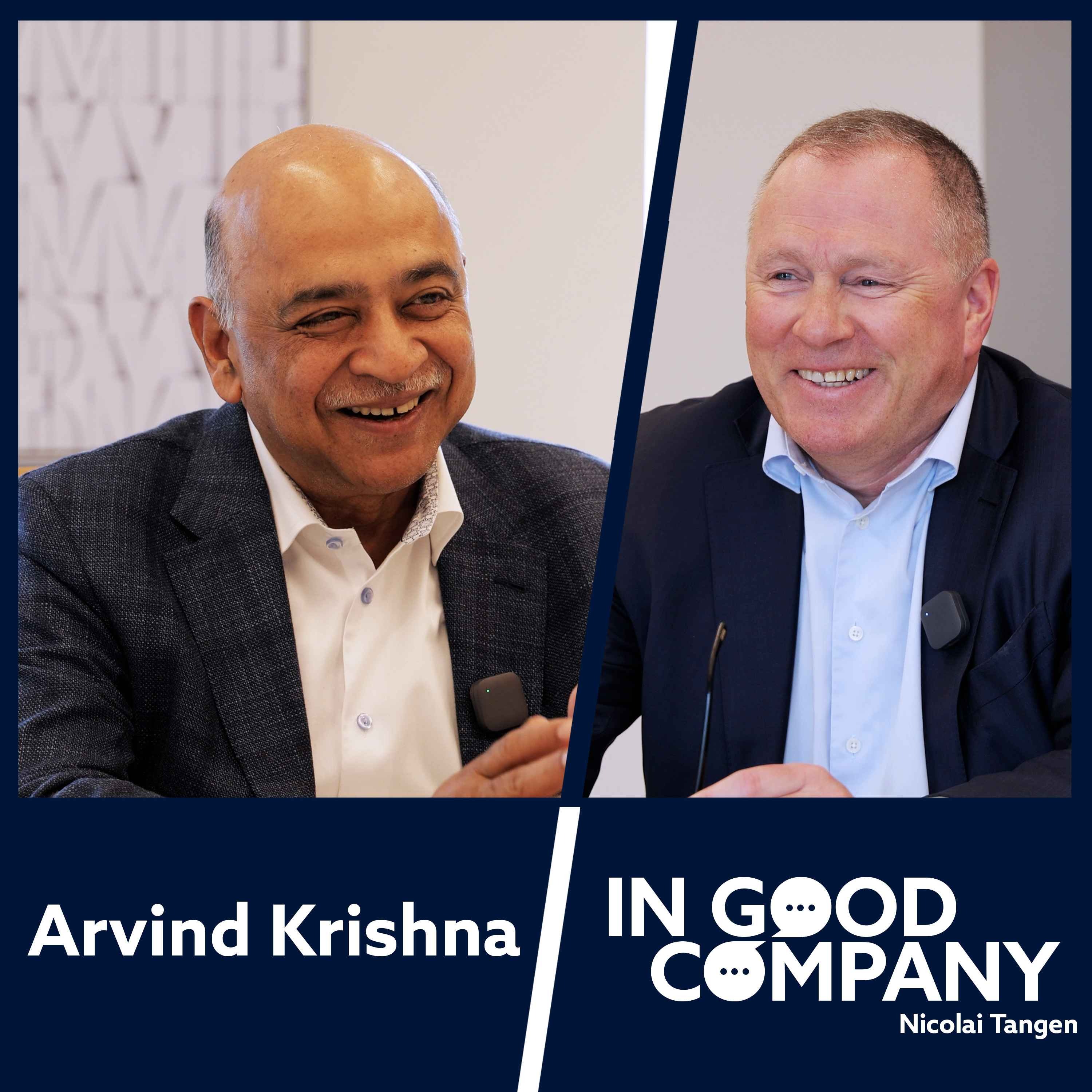
IBM's CEO found the COVID-19 pandemic made his corporate transformation 'much easier.' Widespread external disruption creates an environment where employees are more accepting of internal change, allowing leaders to implement difficult decisions in one year instead of three or four.
During COVID, when Airbnb's revenue dropped 80%, CEO Brian Chesky led with a three-part framework. 1) Head: Stay focused on the long-term purpose. 2) Heart: Choose hope over despair by focusing on bright spots. 3) Hands: Relentlessly execute with a constant cadence of communication and decision-making.

When Red Rooster became a community kitchen during COVID, recipients became 'guests' who offered direct feedback. This shows that in times of crisis, your relationship with users can shift from transactional to a collaborative dialogue, providing unexpectedly valuable insights.