Get your free personalized podcast brief
We scan new podcasts and send you the top 5 insights daily.
AI video platform Synthesia built its governance on three pillars established at its founding: never creating digital replicas without consent, moderating all content before generation, and collaborating with governments on practical regulation. This proactive framework is core to their enterprise strategy.
Related Insights
Unlike platforms like YouTube that merely host user-uploaded content, new generative AI platforms are directly involved in creating the content themselves. This fundamental shift from distributor to creator introduces a new level of brand and moral responsibility for the platform's output.

Regardless of an AI's capabilities, the human in the loop is always the final owner of the output. Your responsible AI principles must clearly state that using AI does not remove human agency or accountability for the work's accuracy and quality. This is critical for mitigating legal and reputational risks.

Generative AI is predictive and imperfect, unable to self-correct. A 'guardian agent'—a separate AI system—is required to monitor, score, and rewrite content produced by other AIs to enforce brand, style, and compliance standards, creating a necessary system of checks and balances.
To address fears of misuse, Sora requires users to opt-in via a high-friction 'cameo' process to use anyone's likeness. This is a strategic design choice to give individuals full control, contrasting with open-source tools and reassuring partners in creative industries.
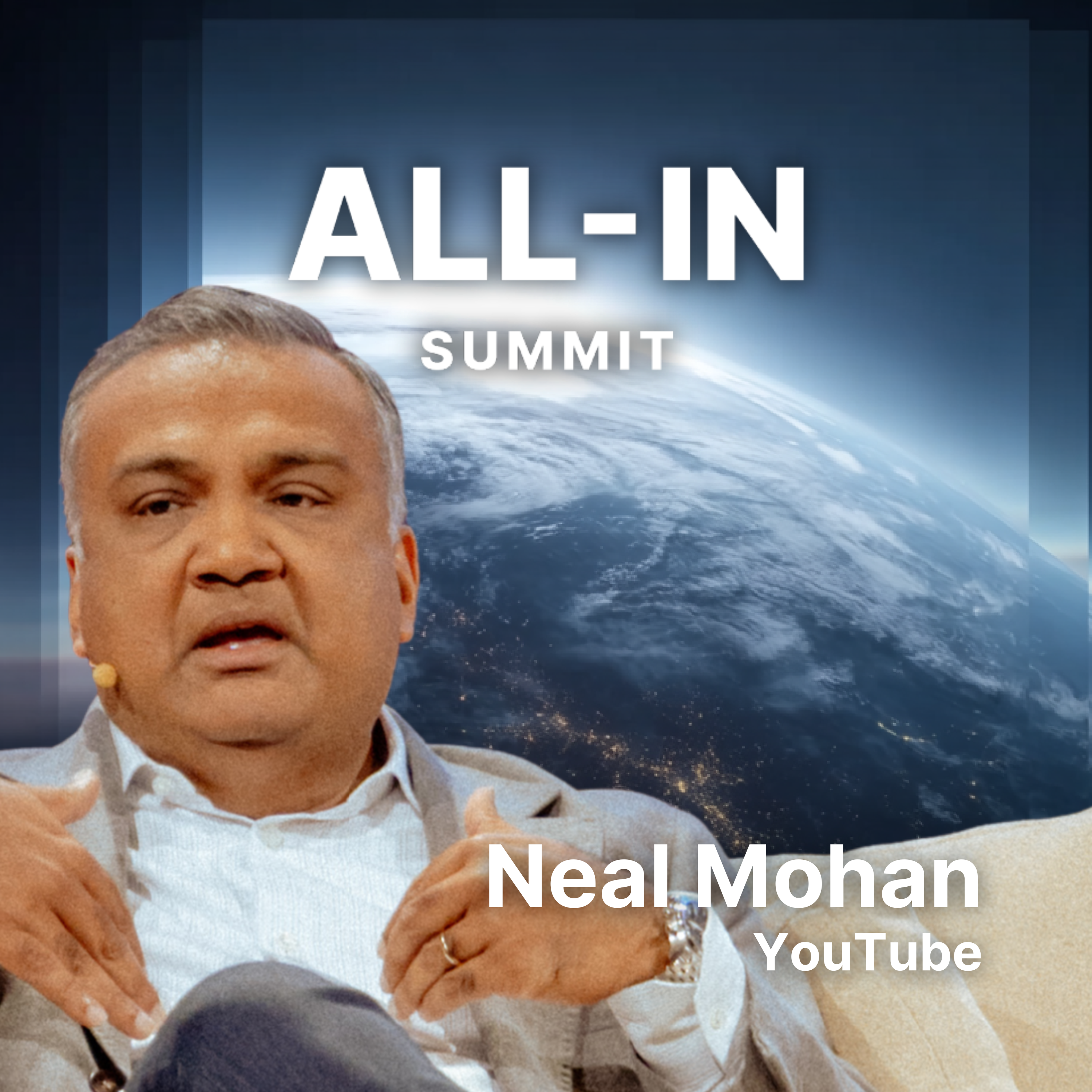
YouTube's strategy for AI content extends beyond labeling. CEO Neal Mohan reveals plans to adapt their Content ID system for "likeness detection." This would empower creators to identify AI-generated content using their face or voice and then choose to either have it removed or take ownership and monetize it themselves.
Actors like Bryan Cranston challenging unauthorized AI use of their likeness are forcing companies like OpenAI to create stricter rules. These high-profile cases are establishing the foundational framework that will ultimately define and protect the digital rights of all individuals, not just celebrities.

The shift from "Copyright" to "Content Detection" in YouTube Studio is a strategic response to AI. The platform is moving beyond protecting just video assets to safeguarding a creator's entire digital identity—their face and voice. This preemptively addresses the rising threat of deepfakes and unauthorized AI-generated content.
For enterprises, scaling AI content without built-in governance is reckless. Rather than manual policing, guardrails like brand rules, compliance checks, and audit trails must be integrated from the start. The principle is "AI drafts, people approve," ensuring speed without sacrificing safety.

Synthesia views robust AI governance not as a cost but as a business accelerator. Early investments in security and privacy build the trust necessary to sell into large enterprises like the Fortune 500, who prioritize brand safety and risk mitigation over speed.
OpenAI's new video tool reveals a strategic trade-off: it is extremely restrictive on content moderation (blocking prompts about appearance) while being permissive with copyrighted material (e.g., Nintendo characters). This suggests a strategy of prioritizing brand safety over potential future copyright battles.
