Get your free personalized podcast brief
We scan new podcasts and send you the top 5 insights daily.
AI chip projects at Google, Meta, or OpenAI are not existential; the companies will survive if they fail. This creates a risk-averse culture. A dedicated startup like Etched, whose entire existence depends on its chip's success, is incentivized to take bigger risks to create a superior product.
![Etched - Building AI Hardware to Make Inference Faster and Cheaper - [Invest Like the Best, EP.480] thumbnail](https://megaphone.imgix.net/podcasts/532910c4-743d-11f1-b7dc-b31915c88b79/image/810c9e3a23b5c4ea0a56e5e4cc8d7e47.jpg?ixlib=rails-4.3.1&max-w=3000&max-h=3000&fit=crop&auto=format,compress)
Related Insights
Despite resource constraints, startups can be better environments for long-term, focused research. Unlike large frontier labs where strategic priorities can shift unexpectedly for political or market reasons, a startup's singular mission allows for sustained effort on a hard problem.

Sam Altman famously laughed off the idea that a new venture could compete with OpenAI. Soon after, China's DeepSeek emerged, developing a comparable, and in some cases superior, AI model on a shoestring budget, proving incumbency and capital aren't insurmountable moats.

Startups can make big bets on emerging workloads, like LLMs before they were proven. This is a product risk. In contrast, incumbents like Google or NVIDIA must ensure their next chip serves a wide range of existing customers, forcing them to be more conservative and avoid disruptive product bets.

Large AI labs must serve a vast portfolio of products, preventing them from focusing intensely on any single vertical. This creates a significant opportunity for startups. By concentrating all resources on a specific domain, startups can 'run laps around' even the best-resourced labs, leveraging focus as their primary competitive advantage.

To avoid being crushed by incumbents, AI startups must operate on ideas that are both non-obvious ("different") and difficult to execute ("hard"). If a startup's core idea becomes obvious to the world before it achieves significant scale, larger companies with more resources will inevitably co-opt the market.
![Gavin Baker - Watts and Wafers - [Invest Like the Best, EP.473] thumbnail](https://megaphone.imgix.net/podcasts/3bc7d580-53ec-11f1-99c0-3bd245449e4f/image/31563a7dd10ea92493c934f0c1e723fe.jpg?ixlib=rails-4.3.1&max-w=3000&max-h=3000&fit=crop&auto=format,compress)
Unlike past tech cycles where startups primarily fought other startups (e.g., Facebook vs. Snapchat), today's AI innovators also compete directly with the immense resources, talent, and data moats of established giants like Google and Microsoft.

Despite the dominance of large AI labs, they face constraints in compute, talent, and focus. Startups can thrive by building highly specialized products for verticals the big players deem too niche. This focused approach allows them to build better interfaces and achieve deeper market penetration where giants won't prioritize competing.

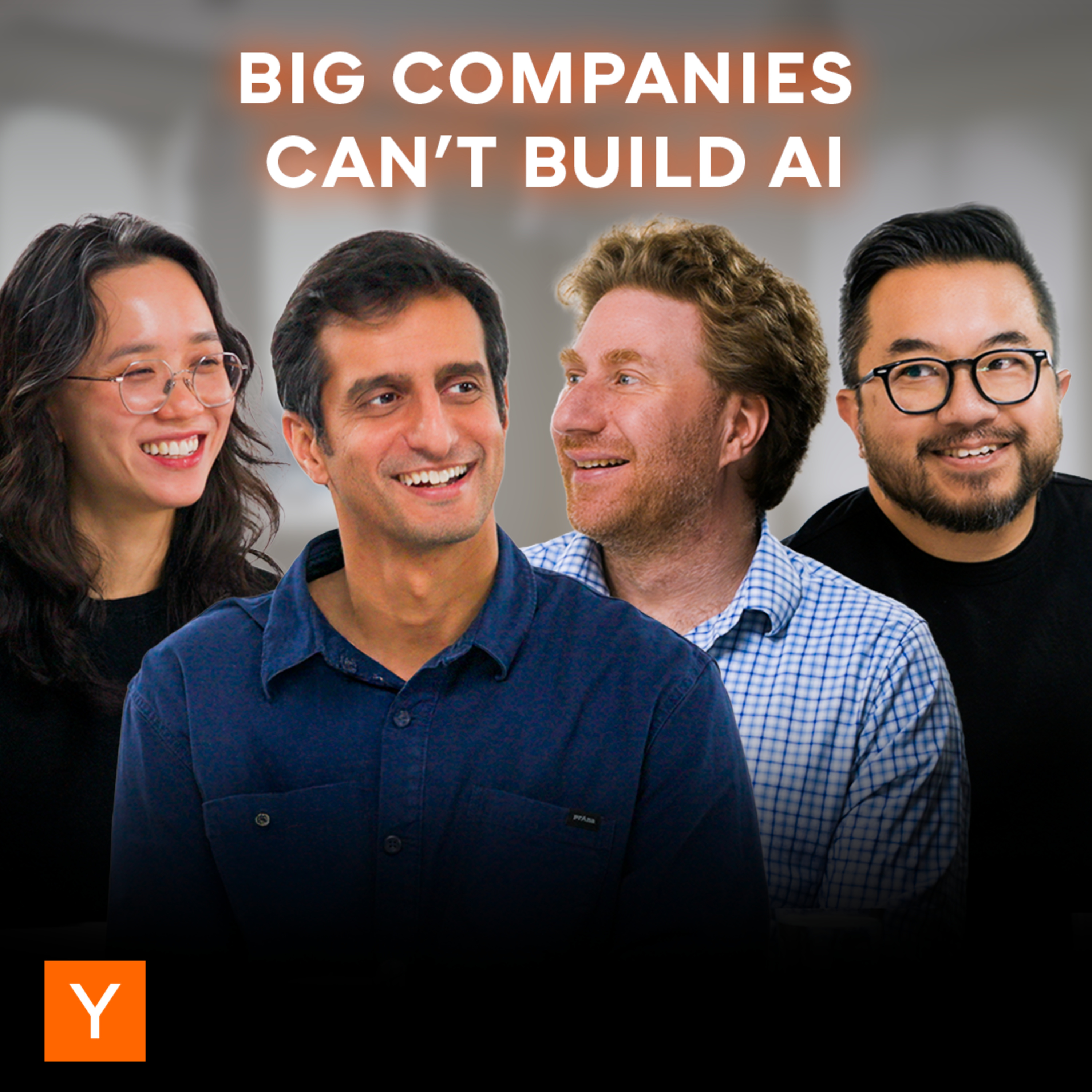
The founder, who left a $1.3M+ Google role, argues that major AI innovations (ChatGPT, Claude Code, OpenClaw) come from nimble teams. Large corporations' approval processes and guardrails stifle the rapid, experimental iteration necessary for true breakthroughs, making them poor environments for building the future of AI.

Product managers at large AI labs are incentivized to ship safe, incremental features rather than risky, opinionated products. This structural aversion to risk creates a permanent market opportunity for startups to build bold, niche applications that incumbents are organizationally unable to pursue.

Many engineers at large companies are cynical about AI's hype, hindering internal product development. This forces enterprises to seek external startups that can deliver functional AI solutions, creating an unprecedented opportunity for new ventures to win large customers.