Get your free personalized podcast brief
We scan new podcasts and send you the top 5 insights daily.
While Next-Generation Sequencing (NGS) is routinely performed for young patients with epithelioid sarcoma, experienced clinicians note it seldom uncovers additional actionable mutations. The primary consistent finding is the SMARCB1 loss. This suggests that while NGS is part of comprehensive care, the likelihood of identifying other targetable pathways is currently very low.
Related Insights
Relying solely on Next-Generation Sequencing (NGS) is insufficient for HER2 testing in biliary tract cancers. Data shows NGS misses up to 15% of patients with HER2 overexpression detected by immunohistochemistry (IHC). Performing both tests is essential to avoid denying patients effective targeted therapies.

NGS testing is revealing that acquired HER2 kinase domain mutations, not amplifications, are an emerging resistance mechanism in ER+ lobular breast cancer. This creates a targetable population for HER2 TKIs like neratinib or tucatinib, offering a new line of targeted therapy.
The slow-growing nature of epithelioid sarcoma masses leads patients to dismiss them as benign issues like ganglion cysts. This patient-level delay is often compounded by diagnostic challenges at non-specialized centers, where the tumor's rarity can lead to misclassification as a 'poorly differentiated tumor,' delaying appropriate care.
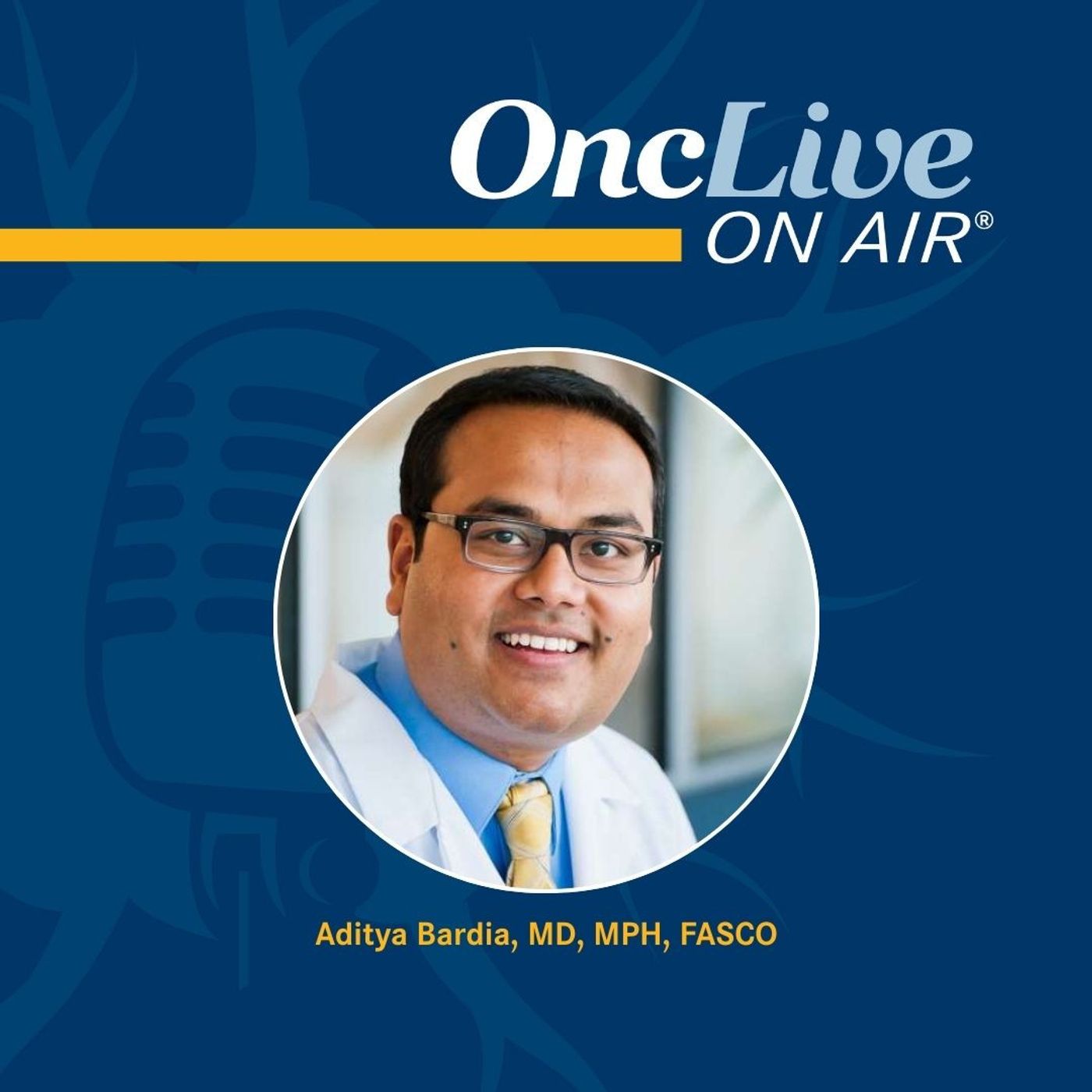
Dr. Bardia emphasizes that ESR1 is an 'acquired alteration,' meaning the mutation can develop during treatment. This necessitates a shift from one-time diagnostic testing to a dynamic, serial testing model. Repeat testing is critical to identify these actionable mutations as they arise, allowing patients to access newly approved targeted therapies.
An individual tumor can have hundreds of unique mutations, making it impossible to predict treatment response from a single genetic marker. This molecular chaos necessitates functional tests that measure a drug's actual effect on the patient's cells to determine the best therapy.

Clinicians ordering "NGS for lung" often misunderstand that Next-Generation Sequencing alone does not cover all actionable biomarkers, such as PD-L1 or HER2. This requires pathologists to interpret the clinician's intent and order a more comprehensive and appropriate test panel.
The same cancer-driving mutation behaves differently depending on the cell's internal "wiring." For example, a drug targeting a mutation works in melanoma but induces resistance in colorectal cancer due to a bypass pathway. This cellular context is why genetic data alone is insufficient.
Experts express strong confidence in the effectiveness of radiation therapy for epithelioid sarcomas, noting the tumors are very sensitive to it. In difficult locally advanced cases, radiation is a key modality for gaining disease control and managing pain, with growing interest in combining it with immunotherapy to enhance its effects.
The molecular marker INI-1 loss, while characteristic of epithelioid sarcoma, is not pathognomonic. Other malignancies, like epithelioid angiosarcoma, can also have this finding. Clinicians must integrate molecular data with the patient's age and clinical presentation to confirm the diagnosis, sometimes requiring a re-biopsy in atypical cases.
Despite billions invested over 20 years in targeted and genome-based therapies, the real-world benefit to cancer patients has been minimal, helping only a small fraction of the population. This highlights a profound gap and the urgent need for new paradigms like functional precision oncology.