Get your free personalized podcast brief
We scan new podcasts and send you the top 5 insights daily.
To sell a massive block of stock without crashing the price, funds use prime brokers to find buyers. This "advertisement" process, however, signals a large seller is in the market, allowing other players to short the stock and get ahead of the sale, jeopardizing the liquidation.

Related Insights
Today's market structure, dominated by High-Frequency Trading (HFT) firms, is inherently fragile. HFTs provide liquidity during calm periods but are incentivized to withdraw it during stress, creating "liquidity voids." This amplifies price dislocations and increases systemic risk, making large-cap concentration more dangerous than it appears.

Instead of using an arbitrary percentage, Gorham Thomason of AKO Capital determines maximum position size based on a stock's liquidity. This ensures the fund can exit a large position without crashing the share price if the investment thesis sours, providing a practical risk management framework.
For a large fund, selling a $2B position and buying a replacement is a $4B transaction with significant market impact. This illiquidity incentivizes working with a company's board and management to solve problems rather than incurring the high cost of divesting, turning large passive investors into de facto activists.

In a market crisis, liquidating positions isn't just about stopping losses. It's a strategic choice to create a clean slate. This allows a firm to go on offense and deploy fresh capital into new, cheap opportunities once volatility subsides, while competitors are still nursing their old, underwater positions.

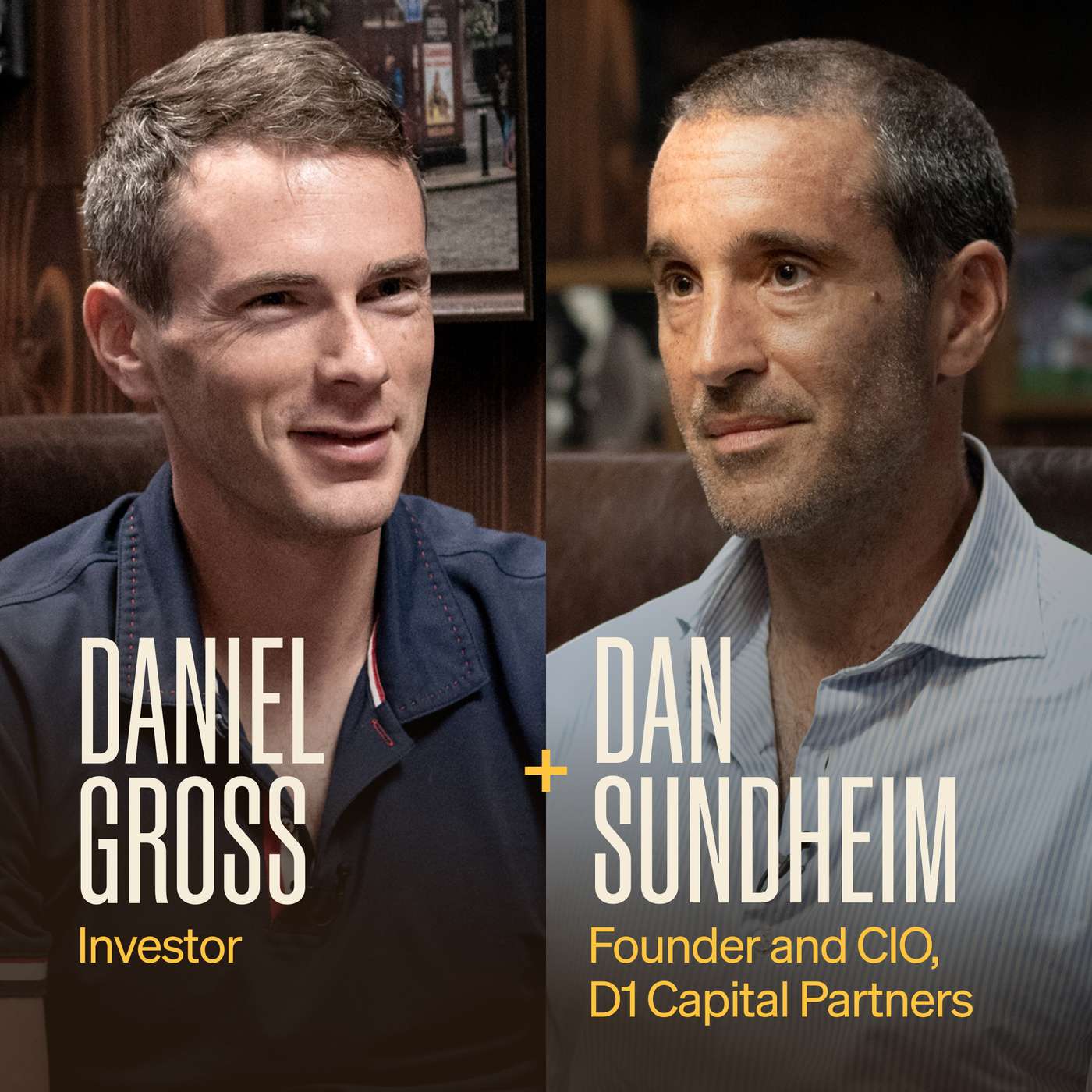
Dan Sundheim argues that while retail-driven markets create more shorting opportunities, the risk of a coordinated squeeze makes concentrated shorts too dangerous. The modern strategy is to hold a much more diversified portfolio of smaller short positions to survive extreme, irrational price moves that can 10x or 20x.
When a highly-levered fund is known to be in distress, the market turns predatory. Competitors will short its holdings relentlessly, not just for profit, but to force a full liquidation. The collective pressure makes the fund's collapse a near-certainty with "no other ending."
When a fund is forced to liquidate, rivals will actively short its positions. This 'shooting against a fund' strategy drives prices down faster, amplifying the distressed fund's losses and creating a self-reinforcing downward spiral in a Darwinian but common practice.
When a massive options order comes in, the market makers on the other side are instantly exposed. They must immediately hedge this risk, often by buying or selling the underlying stock in large quantities. This secondary wave of forced trading can amplify the initial move and create significant, rapid volatility.

Regulations like Dodd-Frank shifted banks from being principal risk-takers to merely financing risk. During market dislocations, banks can no longer absorb selling pressure as they once did. This structural change creates a durable and profitable role for hedge funds to provide liquidity to distressed sellers.

To survive long-term, systematic trading models should be designed to be more sensitive when exiting a trade than when entering. Avoiding a leveraged liquidity cascade by selling near the top is far more critical for capital preservation than buying the exact bottom.