Get your free personalized podcast brief
We scan new podcasts and send you the top 5 insights daily.
Venture capitalists will leverage AI by meticulously documenting their reasoning for each investment decision in "pre-mortems." This structured data will train personalized models to identify biases, surface blind spots, and cross-examine future decisions against their own track record.

Related Insights
AI's primary value in pre-buy research isn't just accelerating diligence on promising ideas. It's about rapidly surfacing deal-breakers—like misaligned management incentives or existential risks—allowing analysts to discard flawed theses much earlier in the process and focus their deep research time more effectively.
![How Investors are using AI - [Business Breakdowns, EP.240] thumbnail](https://megaphone.imgix.net/podcasts/f879fb14-024c-11f1-9c47-7bea8da34fd0/image/56ffcbcc6e03475c408ac0e35a01510d.jpg?ixlib=rails-4.3.1&max-w=3000&max-h=3000&fit=crop&auto=format,compress)
The discipline of writing down your thought process is crucial for decision analysis. AI now amplifies this by creating a searchable, analyzable record of your thinking over time, helping you identify blind spots and get objective feedback on your reasoning.

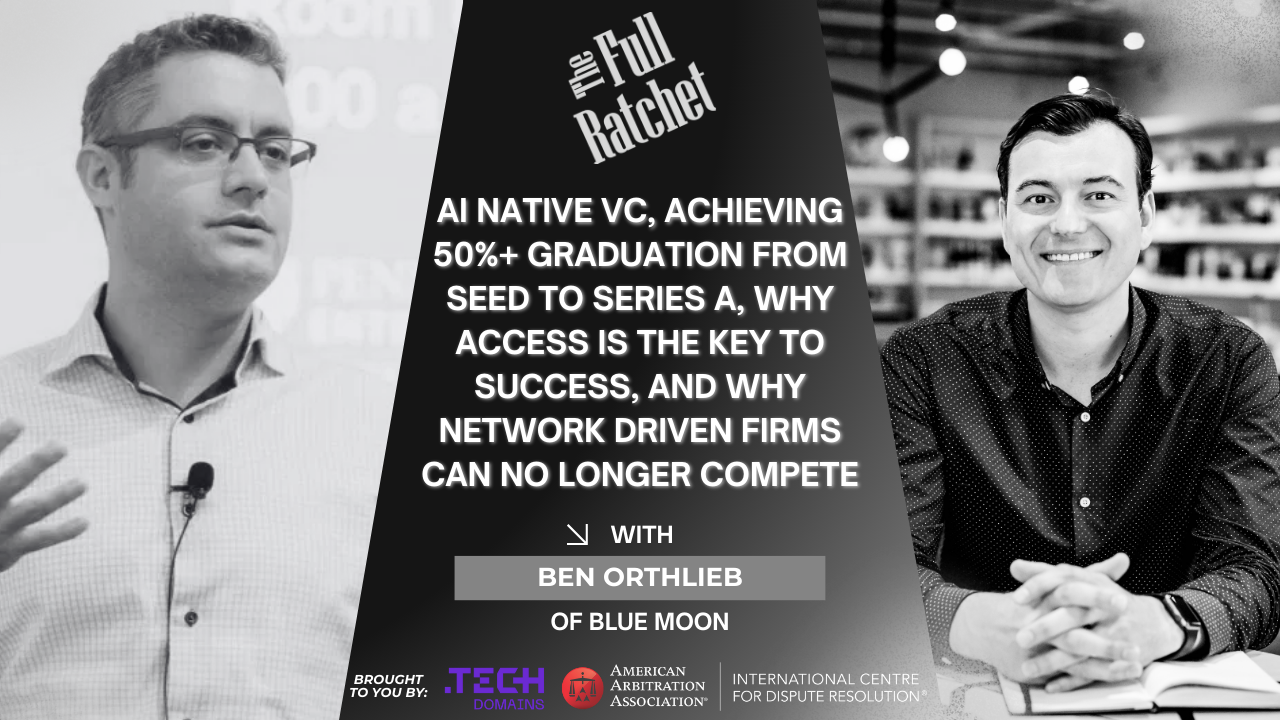
An AI-native VC firm operates like a product company, developing in-house intelligence platforms to amplify human judgment. This is a fundamental shift from simply using tools like Affinity or Harmonics, creating a defensible operational advantage in sourcing, screening, and winning deals.
To enhance due diligence, Deerfield Management employs multi-agent AI systems that deliberate on investment theses. These systems simulate discussions between different experts, such as a pathologist and an oncologist, to identify market pricing or patient populations, uncovering insights human teams might miss.

Venture firms are building their own small language models trained on internal meeting notes and application data. This allows them to retroactively analyze deals they passed on to refine their investment thesis and identify companies for potential late-stage investments.

Venture capital firms are leveraging AI tools like Google's NotebookLM to process deal flow. They ingest investment memos and legal documents to analyze them against their investment thesis and even simulate a preliminary legal review.

Advanced AI tools can model an organization's internal investment beliefs and processes. This allows investment committees to use the AI to "red team" proposals by prompting it to generate a memo with a negative stance or to re-evaluate a deal based on a new assumption, like a net-zero mandate.

The VC firm uses AI tools extensively. An email alias automatically summarizes incoming board memos and suggests questions. Partner Mamoon Hamid also uses AI to rate his meetings, creating a data "exhaust" of his interactions to identify signals and remember high-potential founders he might have forgotten.

Advent created an AI trained on its entire investment history, including deals they passed on. This 'IC Robot' analyzes new proposals and flags assumptions—like margin growth—that deviate from historical precedent, serving as a powerful, data-driven check on the investment committee's biases.

Firms that meticulously document the reasoning behind trading decisions are building a proprietary dataset for future AI agents. This intellectual property, capturing the firm's unique philosophy, will be invaluable for training AI that can truly understand and operate within its specific context, forming a powerful competitive advantage.