Get your free personalized podcast brief
We scan new podcasts and send you the top 5 insights daily.
Instead of betting on specific AGI timelines, we should embrace uncertainty and adopt a 'broad timelines' strategy. This means the community should have a portfolio of projects: some focused on immediate, short-term interventions, and others on long-term capacity building like creating new institutions or academic fields.

Related Insights
The belief that a future Artificial General Intelligence (AGI) will solve all problems acts as a rationalization for inaction. This "messiah" view is dangerous because the AI revolution is continuous and happening now. Deferring action sacrifices the opportunity to build crucial, immediate capabilities and expertise.

Research with long timelines (e.g., a "2063 scenario") is still worth pursuing, as these technical plans can be compressed into a short period by future AI assistants. Seeding these directions now raises the "waterline of understanding" for future AI-accelerated alignment efforts, making them viable even on shorter timelines.

If society gets an early warning of an intelligence explosion, the primary strategy should be to redirect the nascent superintelligent AI 'labor' away from accelerating AI capabilities. Instead, this powerful new resource should be immediately tasked with solving the safety, alignment, and defense problems that it creates, such as patching vulnerabilities or designing biodefenses.
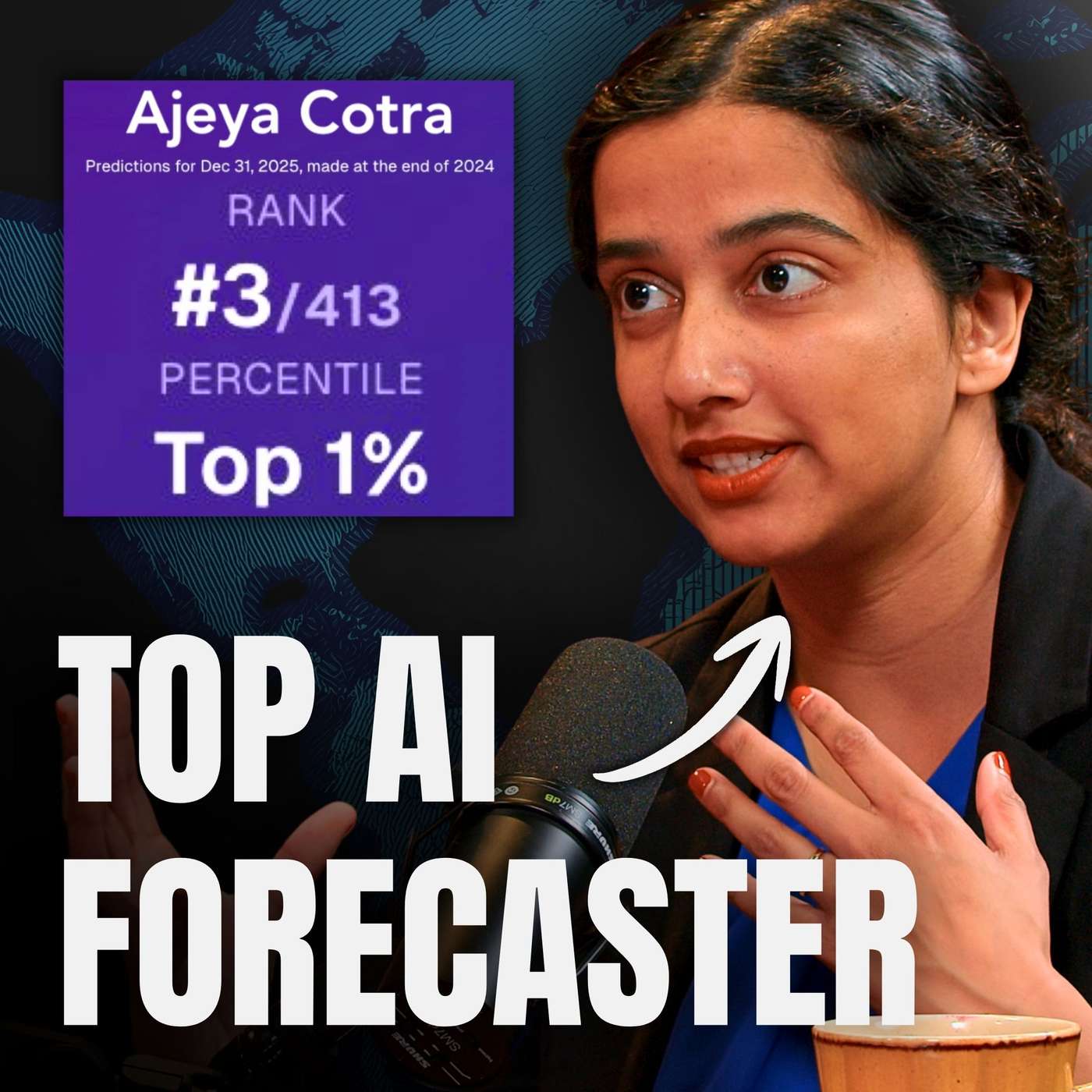
Instead of predicting the exact arrival of AGI, focus your career planning on the period where your contributions will be most valuable. This shifts the focus from an abstract date to a practical, personal time horizon for action and skill-building, as advised by 80,000 Hours founder Ben Todd.

Ryan Kidd of MATS, a major AI safety talent pipeline, uses a 2033 median AGI timeline from prediction markets like Metaculous for strategic planning. This provides a concrete, data-driven anchor for how a key organization in the space views timelines, while still preparing for shorter, more dangerous scenarios.
Framing an AI development pause as a binary on/off switch is unproductive. A better model is to see it as a redirection of AI labor along a spectrum. Instead of 100% of AI effort going to capability gains, a 'pause' means shifting that effort towards defensive activities like alignment, biodefense, and policy coordination, while potentially still making some capability progress.
Many people avoid ambitious, long-term AI safety projects due to the fear of 'anticipated regret'—the feeling of being a fool if AGI arrives before their 5-year project pays off. This is an irrational bias. Decisions should be based on expected value, which often favors long-term projects despite the risk of preemption.
Instead of only slowing down risky AI, a key strategy is to accelerate beneficial technologies like decision-making tools. This 'differential technology development' aims to equip humanity with better cognitive tools before the most dangerous AI capabilities emerge, improving our odds of a safe transition.

With no single silver bullet for AI alignment, the most realistic approach is a multi-layered strategy. This combines technical solutions like intentional design and AI control with societal safeguards like improved cybersecurity and pandemic preparedness to collectively keep society on track amidst rapid AI advancement.
Instead of betting on a single AI timeline, plan your career across three plausible scenarios: 1) A short, fast-takeoff scenario where AI automates R&D by ~2027. 2) A medium timeline where this takes until the 2030s. 3) A long timeline where the current paradigm plateaus. This portfolio approach makes career strategy more robust.