Get your free personalized podcast brief
We scan new podcasts and send you the top 5 insights daily.
As multiple new drugs like antibody-drug conjugates (ADCs) become available for SCLC, the critical research question will shift from *if* they work to *when* they should be used. Future biomarker strategies must focus on optimizing treatment sequences, considering factors like the drug's target and payload.

Related Insights
Real-world data suggests that using one antibody-drug conjugate (ADC) immediately after another is often ineffective. A potential strategy to overcome this resistance is to administer a different class of chemotherapy before starting the second ADC.
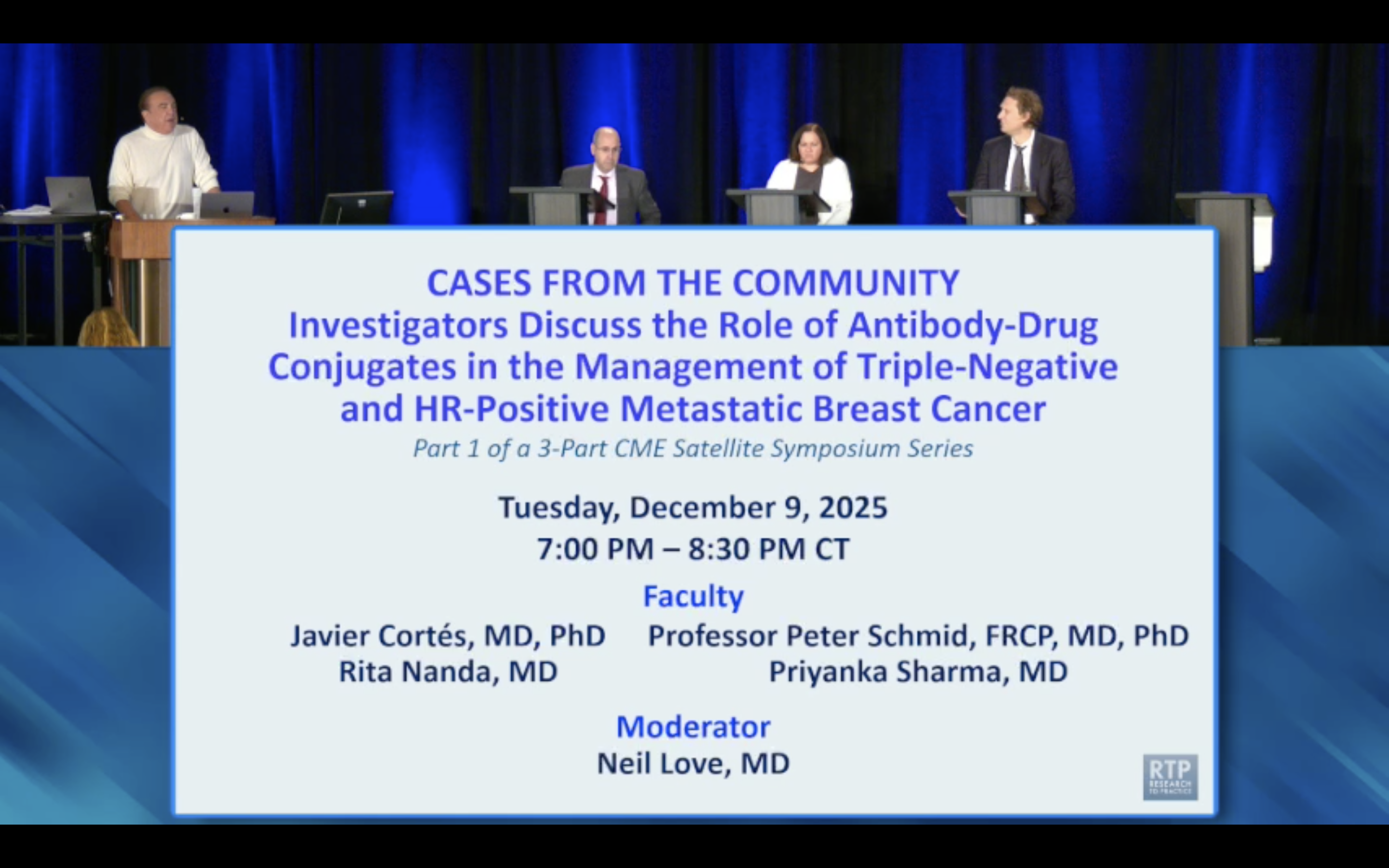
When sequencing antibody-drug conjugates, clinical experience suggests that resistance to the chemotherapy payload is a primary driver of failure. Therefore, oncologists tend to avoid using another ADC with the same payload consecutively, preferring to switch both target and payload if possible.
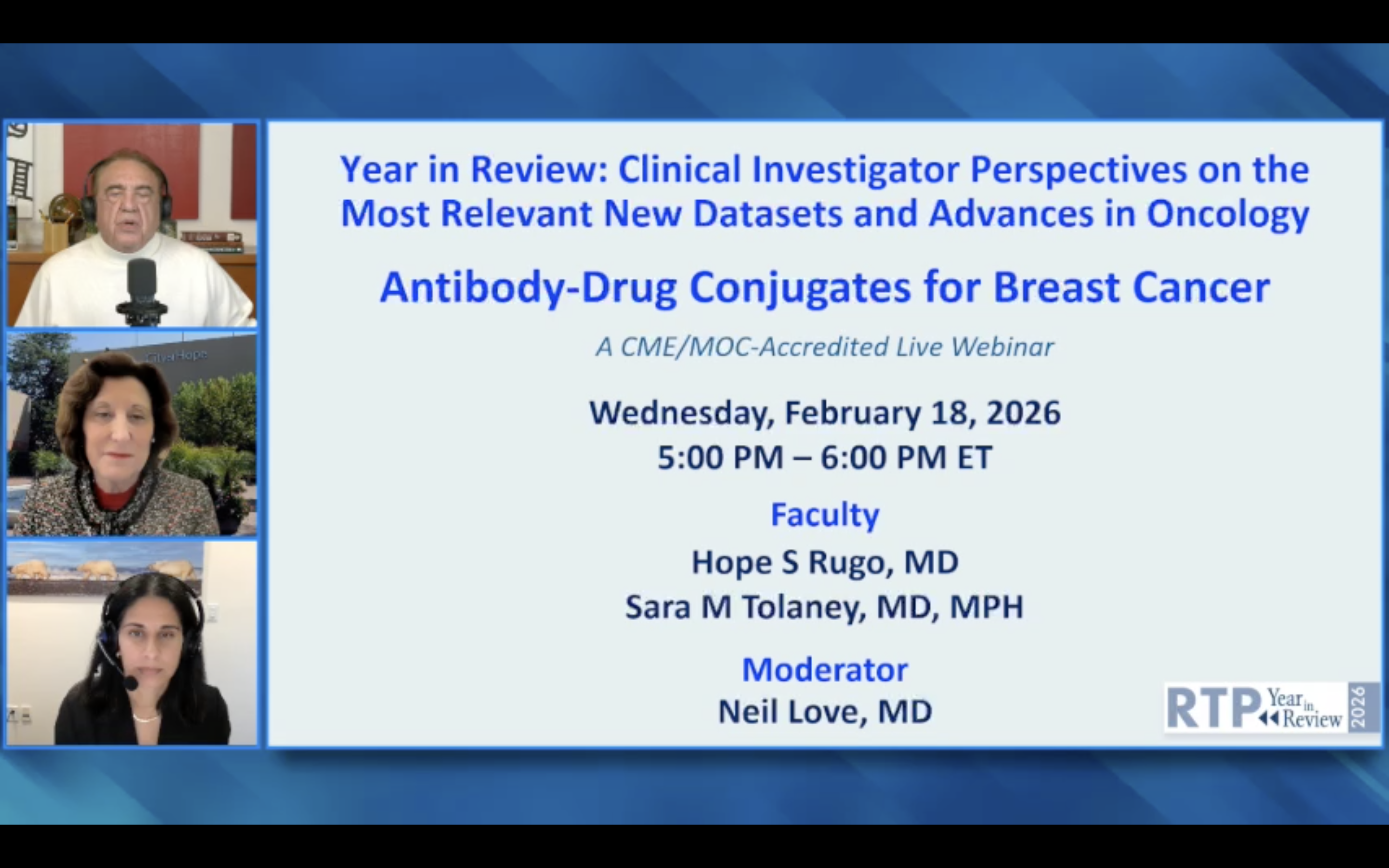
Unlike novel challenges from bispecifics, upcoming SCLC therapies like antibody-drug conjugates (ADCs) and radiopharmaceuticals will benefit from existing familiarity. Community practices are already comfortable with these drug classes from their use in breast cancer (ADCs) and prostate cancer (radioligands), which should streamline their integration.
The future of medicine isn't about finding a single 'best' modality like CAR-T or gene therapy. Instead, it's about strategic convergence, choosing the right tool—be it a bispecific, ADC, or another biologic—based on the patient's specific disease stage and urgency of treatment.

The new treatment paradigm for HER2-positive lung cancer will likely involve sequencing a TKI like zongertinib first, followed by an antibody-drug conjugate (ADC). Early data suggests that the efficacy of TKIs is significantly reduced when used after an ADC, making the TKI-first approach critical for maximizing patient outcomes.
Rather than moving through distinct lines of therapy, a future strategy could involve an "ADC switch." When a patient progresses on an ADC-IO combination, the IO backbone would remain while the ADC is swapped for one with a different, non-cross-resistant mechanism, adapting the treatment in real-time.

Emerging data shows that a second ADC, particularly one with the same payload, often has limited efficacy. This suggests clinicians must be highly strategic in selecting the first ADC, as it may be their most impactful opportunity for this class of drugs.
The long-standing platinum doublet backbone for frontline SCLC may soon be challenged. The high efficacy of novel agents like antibody-drug conjugates and bispecific antibodies in later lines is prompting trials that consider moving them into the first-line setting, a strategy previously considered "unthinkable."
As multiple effective Antibody-Drug Conjugates (ADCs) become available, the primary clinical challenge is no longer *if* they work, but *how* to use them best. Key unanswered questions involve optimal sequencing, dosing for treatment versus maintenance, and overall length of therapy, mirroring issues already seen in breast cancer.
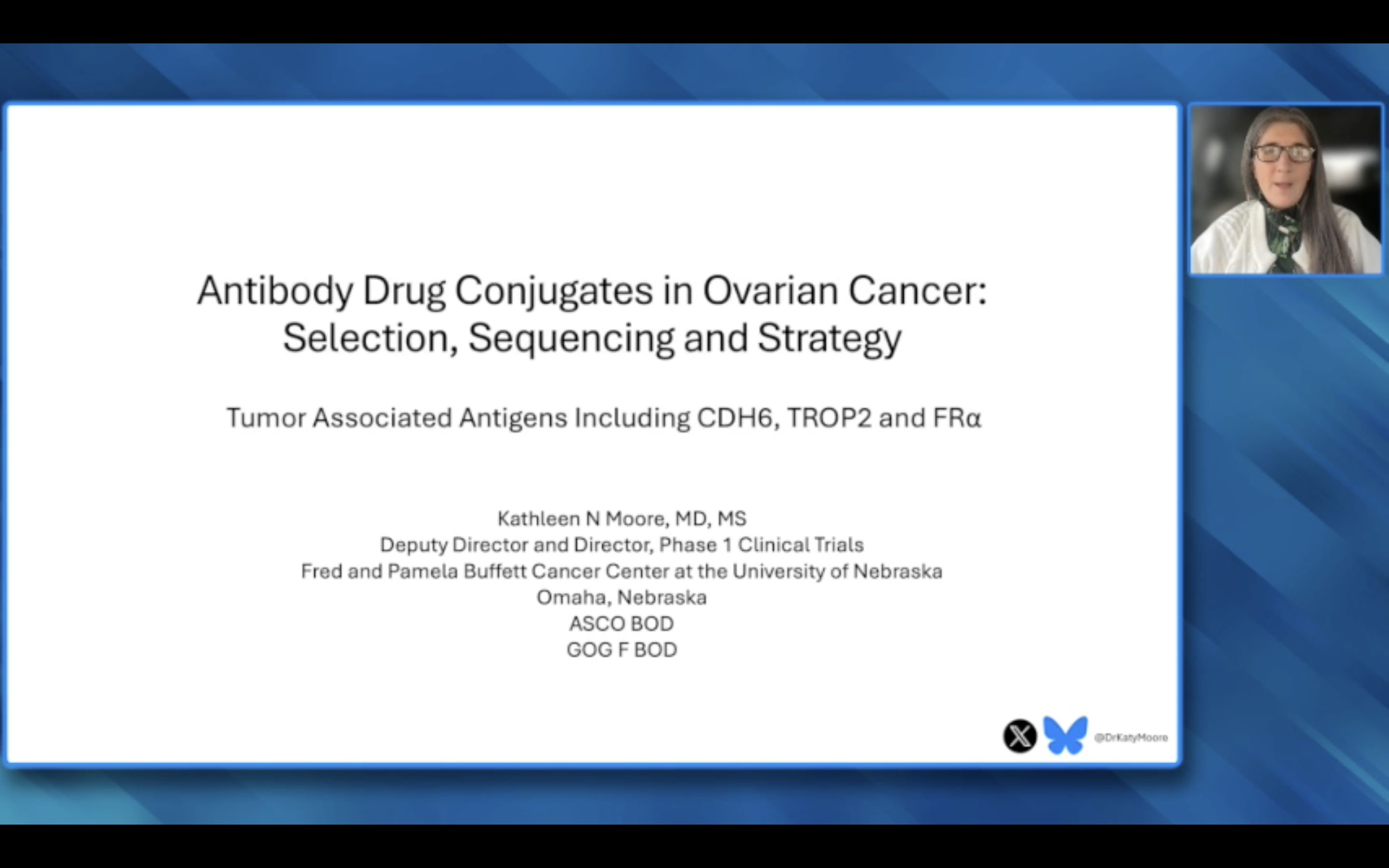
In notoriously hard-to-treat small cell lung cancer (SCLC), ADCs are emerging as a crucial next step. They hold promise for patients who progress after chemoimmunotherapy and newer targeted agents like tarlatamab, a setting where treatment options are currently scarce. ADCs could provide meaningful responses in this significant unmet need.