Get your free personalized podcast brief
We scan new podcasts and send you the top 5 insights daily.
Pundits frame U.S. domestic protests as an 'insurgency' using tactics from Iraq. This is flawed, as decentralized organization is characteristic of many social movements, including the Civil Rights movement and pro-democracy efforts like Poland's Solidarity, not just terrorist networks.
Related Insights
The federal government's uncommunicated immigration enforcement in Chicago, perceived as politically motivated, spurred an organized community response. Citizens used simple tools like phone cameras and whistles to monitor agents and protect neighbors, turning a top-down federal action into a ground-up resistance movement.

In times of crisis, expecting an opposition party to lead the charge is a mistake. Real political movements are initiated by citizens who set the moral terms and take risks. The political party then becomes just one part of a larger coalition that it doesn't necessarily lead.

Iran's government created propaganda claiming theorist Gene Sharp, who worked with Dr. King, is a CIA operative. They use this to paint domestic protests as foreign-backed coups—a tactic of delegitimization ironically echoed by some U.S. commentators against American protesters.
The academic theory behind 'people-powered' civil resistance has military origins. Seminal research by figures like Gene Sharp was directly funded with $50 million from the Pentagon's psychological operations unit to develop methods for bottom-up, state-sponsored coups under the guise of grassroots movements.

Protests, like those in Minneapolis, are effective when they generate enough moral outrage to force action from leaders. They have a time limit; their purpose is not sustained demonstration but to create a crisis that people in power must resolve through policy, as seen with LBJ and the Civil Rights Act after Selma.
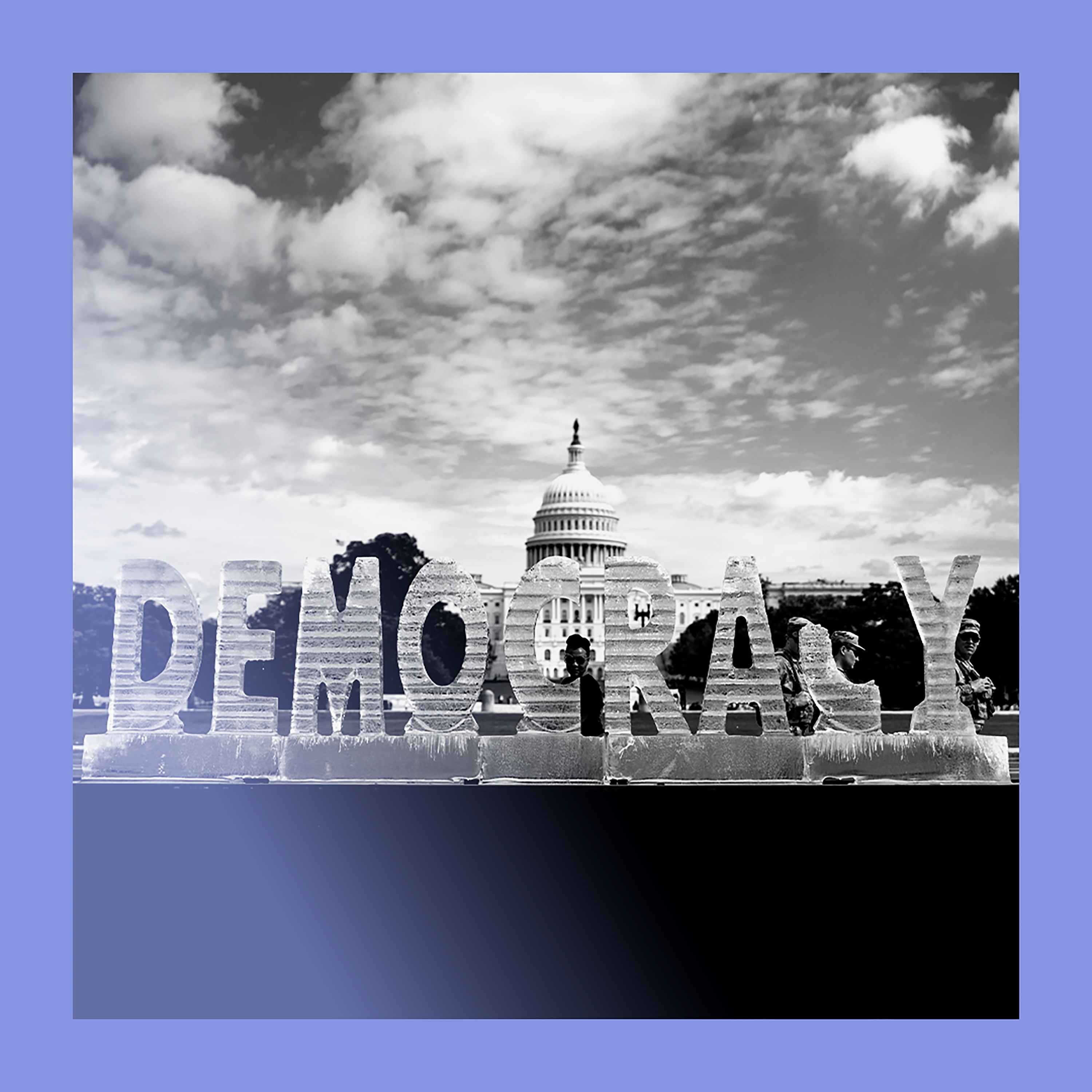
The massive, peaceful 'No Kings' protests were framed not as anti-American, but as a pro-democracy movement. They represent a significant portion of the population actively pushing back against perceived threats to democratic norms and institutions, motivated by a desire to defend the country.

Citing Gandhi and the Civil Rights Movement, the most successful long-term protest strategies rely on peaceful non-resistance. Active resistance, even when justified, often escalates violence and cedes the moral high ground, making it a less effective tool for systemic change compared to disciplined, peaceful protest.

The primary value of protests isn't just cinematic outrage; it's serving as a gateway for deeper organizing. Demonstrations allow individuals to connect with the groups that form the backbone of sustained political action, creating lasting, though often unseen, infrastructure.
In populist moments, leaders often abandon the idea of compromise and instead treat the opposing side as an enemy to be defeated. Language describing American cities as "war zones" or "training grounds" reveals this divisive mindset, which prioritizes conflict over unity.

What appear as organic 'color revolutions' are often the result of a highly developed, academic playbook. This field, known as 'democratization studies' or 'civil resistance,' is taught at major universities and provides a systematic, step-by-step guide for orchestrating political change from the bottom up.