Get your free personalized podcast brief
We scan new podcasts and send you the top 5 insights daily.
Political parties grow by attracting converts, not by enforcing ideological purity. The Democratic party alienates many religious voters by demanding 100% alignment on social issues. A 'big tent' approach that welcomes people who agree 70% of the time could bridge the political 'God gap.'
Related Insights
Unlike established systems with clear rules (like Christianity), the modern left operates on "vague vibes" of ideological purity. This lack of a self-regulation mechanism creates a constant pressure to prove loyalty through extremism. As standards escalate, anyone who could provide a moderating influence is purged, leading to an endless cycle of radicalization.

Politicians often strategize about balancing a ticket demographically (e.g., race, gender, sexuality), but this misses the point. Voters ultimately support candidates with whom they feel a values-based connection. A ticket can overcome perceived demographic liabilities if it projects values that resonate with the majority.

Governor Tim Walz argues the Democratic Party is a 'prisoner to norms,' relying on 'strongly worded letters' while voters crave tangible results. To re-energize its base, the party must be willing to break conventions to deliver significant, life-improving policies like universal healthcare, connecting votes directly to positive outcomes.

A savvy political strategy involves forcing opponents to publicly address the most extreme statements from their ideological allies. This creates an impossible purity test. No answer is good enough for the fringe, and any attempt to placate them alienates the mainstream, effectively creating a schism that benefits the opposing party.

A winning political platform should focus on the root causes of national malaise: a lack of meaning, purpose, and connection. This involves policies like industrial strategy for dignified work and regulating 'poisonous' technology, which could create a new, bipartisan political alignment beyond traditional wedge issues.

Progressive circles can exhibit a purity-test culture where any deviation from consensus is met with intense criticism. This approach risks pushing away potential allies and stifling the nuanced debate needed to solve complex issues.
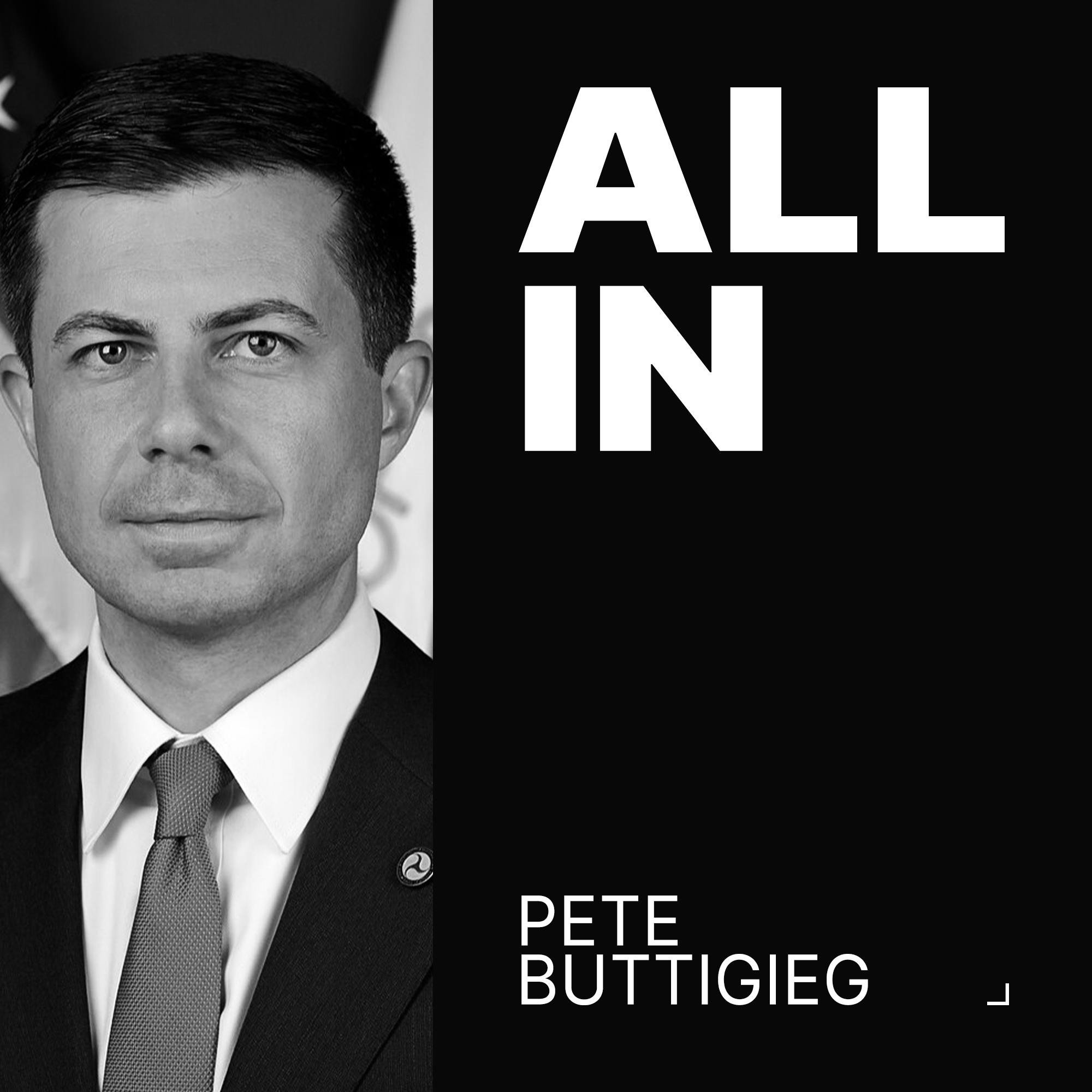
Buttigieg criticizes his own party for treating identity groups like items on a salad bar, offering something for each group individually. This approach, he argues, prevents the party from crafting a cohesive, unifying economic message that speaks to the shared interests of low-wealth people across all identities.
Effective advocacy starts by understanding others' values instead of imposing one's own. The goal is to find partial agreement. For instance, people who disagree on animal rights might still collaborate on policies that improve public health or the environment, allowing for progress despite broader disagreements.

Political party affiliation is often a tribal identity, not a reflection of core beliefs. True alignment comes from shared values, which is why seemingly opposed groups—like the hard left and hard right—can form potent coalitions around a specific issue like being anti-war.

Rahm Emanuel pinpoints a key Democratic misstep: moving from a passive 'culture of acceptance' on social issues to an active 'culture of advocacy,' which prioritized niche topics like bathroom access over core concerns like education.
