Get your free personalized podcast brief
We scan new podcasts and send you the top 5 insights daily.
The Goetz trial forced New York's highest court to clarify the ambiguous legal term "reasonable" in self-defense cases. The court ruled it must consider both the defendant's subjective fear and what an objective, average person would fear, a precedent still used today.

Related Insights
Regardless of a suspect's prior behavior or criminal history, the justification for lethal force ends the moment they are disarmed and no longer a threat. Harris emphasizes that in the Alex Preddy case, once officers had removed his weapon and restrained him, the subsequent shooting was an unjustified killing, a principle that transcends the victim's character.
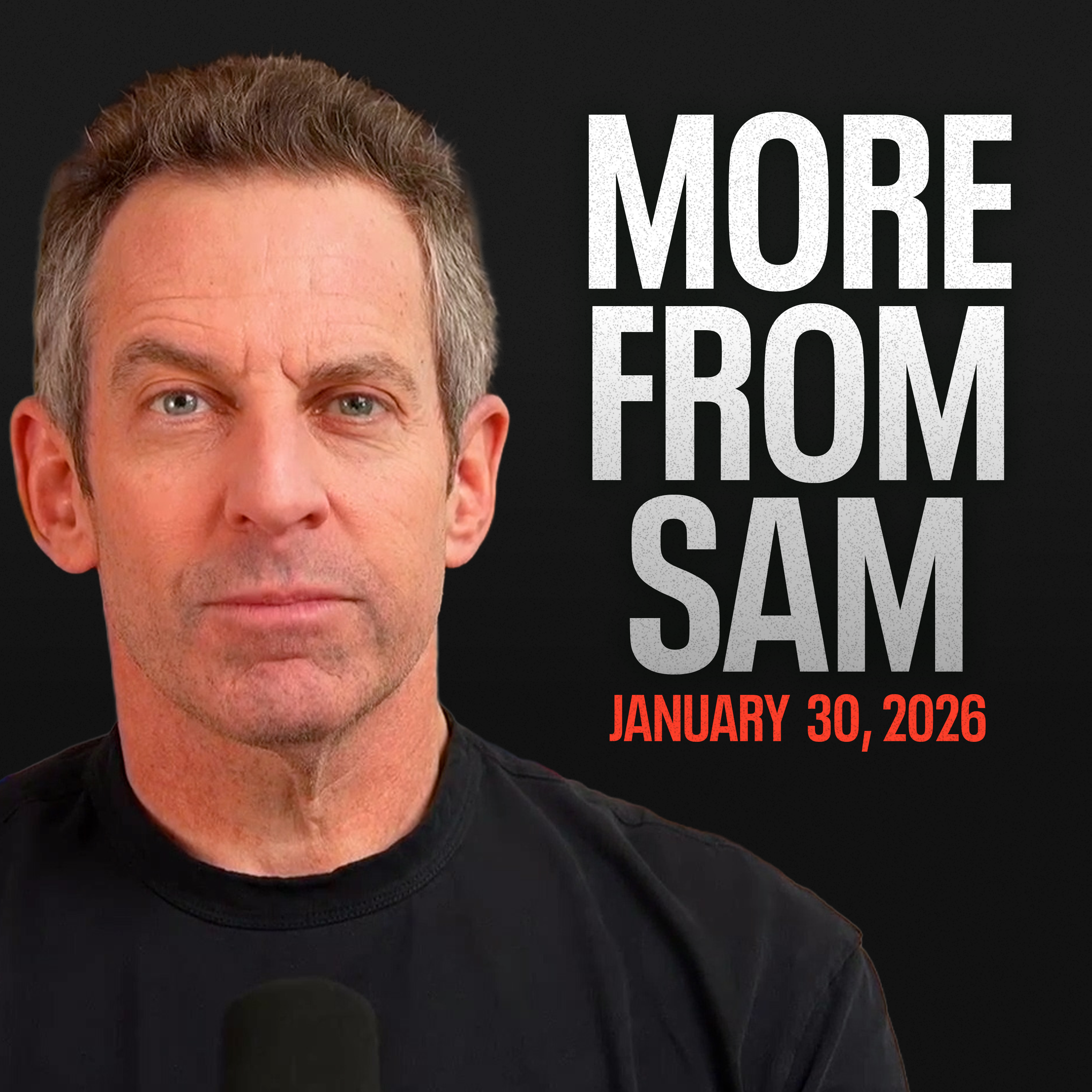
The U.S. founding documents, like the Constitution and Bill of Rights, contain intentionally vague language. This was not an oversight but a necessary compromise to unify disparate interests, creating a built-in ambiguity that is the primary reason for 250 years of legal and political argument.

According to veteran bomb disposal officer Peter Gurney, having no fear is a fatal flaw in his high-stakes profession. He believed fear was an essential tool that forced respect for the device and heightened focus. Approaching a bomb required embracing that fear to maintain the discipline needed to survive.
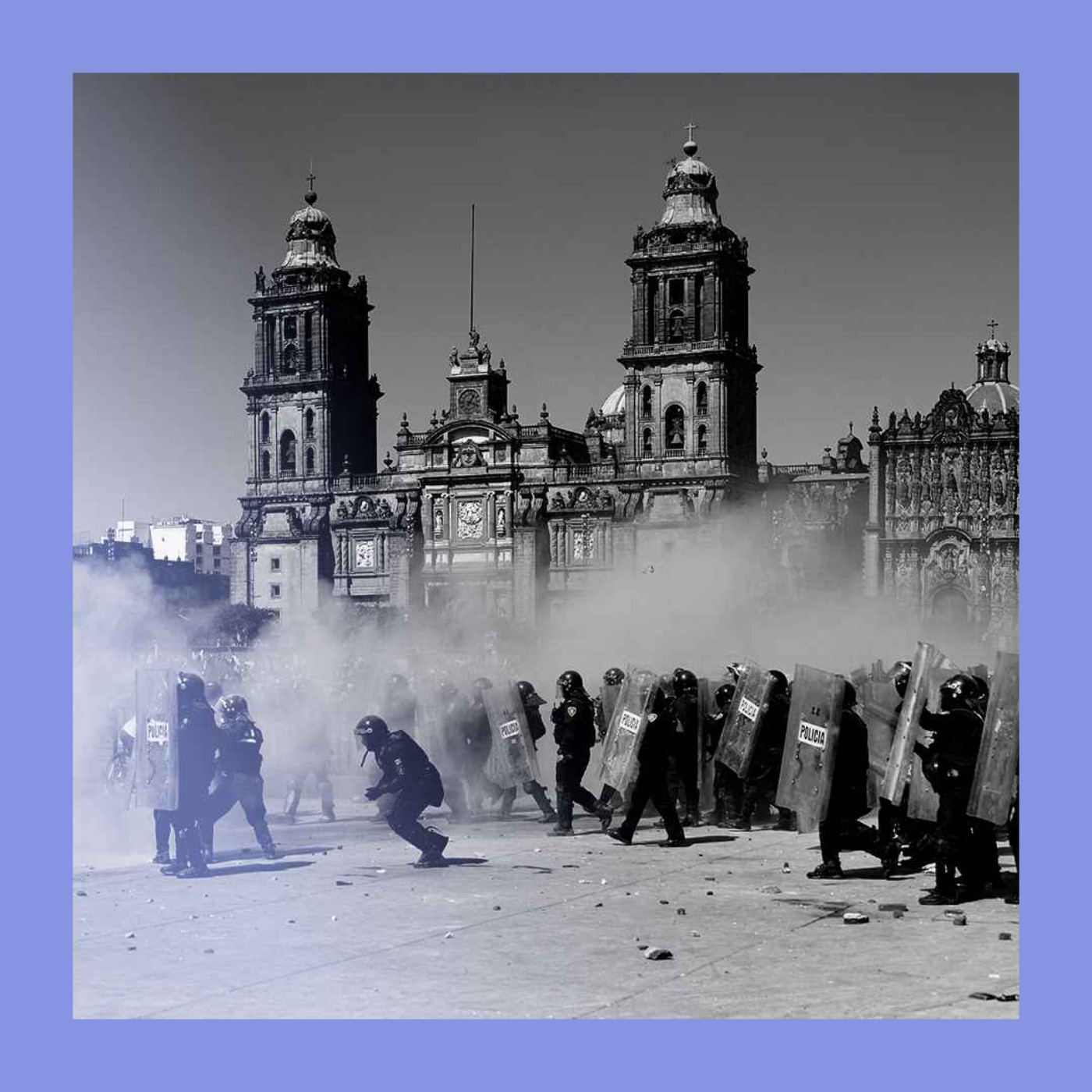
Bernie Goetz's lawyer, Barry Slotnick, successfully shifted the trial's focus by demonizing the four teenagers. He used racial stereotypes, menacing photos, and a staged reenactment to portray them as violent thugs, making Goetz's actions seem reasonable to the jury.
The jury's acquittal of Bernie Goetz likely stemmed from personal identification, not just legal reasoning. With half the jury having been victims of crime, they were primed to see themselves in Goetz and the teenagers as threats, a bias that overrode his direct confession of intent to kill.
Popular movies like *Death Wish* primed the public to accept a vigilante narrative. When the shooting happened, the media immediately dubbed Goetz the "Death Wish Vigilante," framing him as a hero avenging a crime-ridden city before his name or the facts were even known.
The four teenagers weren't a violent gang planning a mugging. They were impoverished youths planning to steal quarters from an arcade machine with screwdrivers—a common, low-risk act for survival. This context was lost in the "violent thug" narrative that followed the shooting.
When triggered in a conversation, the body undergoes the same physiological changes (pupil dilation, clenched fists) as if facing physical harm. This explains why social conflicts feel so intense and why people react disproportionately.

Despite a two-hour videotaped confession where Goetz admitted wanting to kill the unarmed teens, his defense team successfully argued it should be ignored. They claimed he was so "frightened and out of his mind" that his own words were unreliable—a risky strategy that worked.
In high-stakes encounters, the trained professional (like an ICE agent) is responsible for managing their own trauma and emotional responses. It's their job to de-escalate, and we should not expect a civilian victim to be more composed than the paid, trained officer.
