Get your free personalized podcast brief
We scan new podcasts and send you the top 5 insights daily.
With no assets or experience, a young Stephen Starr secured loans and deals by leveraging his personality. An early business partner described him as "very disarming," a quality Starr believes was key to convincing people to bet on him when logic dictated otherwise.

Related Insights
The most significant risk for an entrepreneur is not financial capital or time, but the personal reputation they put on the line. This makes managing the mental game and maintaining self-confidence through hardship the most difficult and crucial part of the journey.
To secure funding for his first venture, Marc Lore invested his entire savings of $390,000. When investors questioned the specific amount, his answer—"because that's all I had"—demonstrated an unparalleled level of commitment that convinced them to invest, even if they were skeptical of the idea itself.
Stephen Starr states that his entrepreneurial journey, starting with no money and building a restaurant empire, could not be replicated today. He cites high costs, regulations, and corporate banking as barriers that prevent modern entrepreneurs from following a similar path.
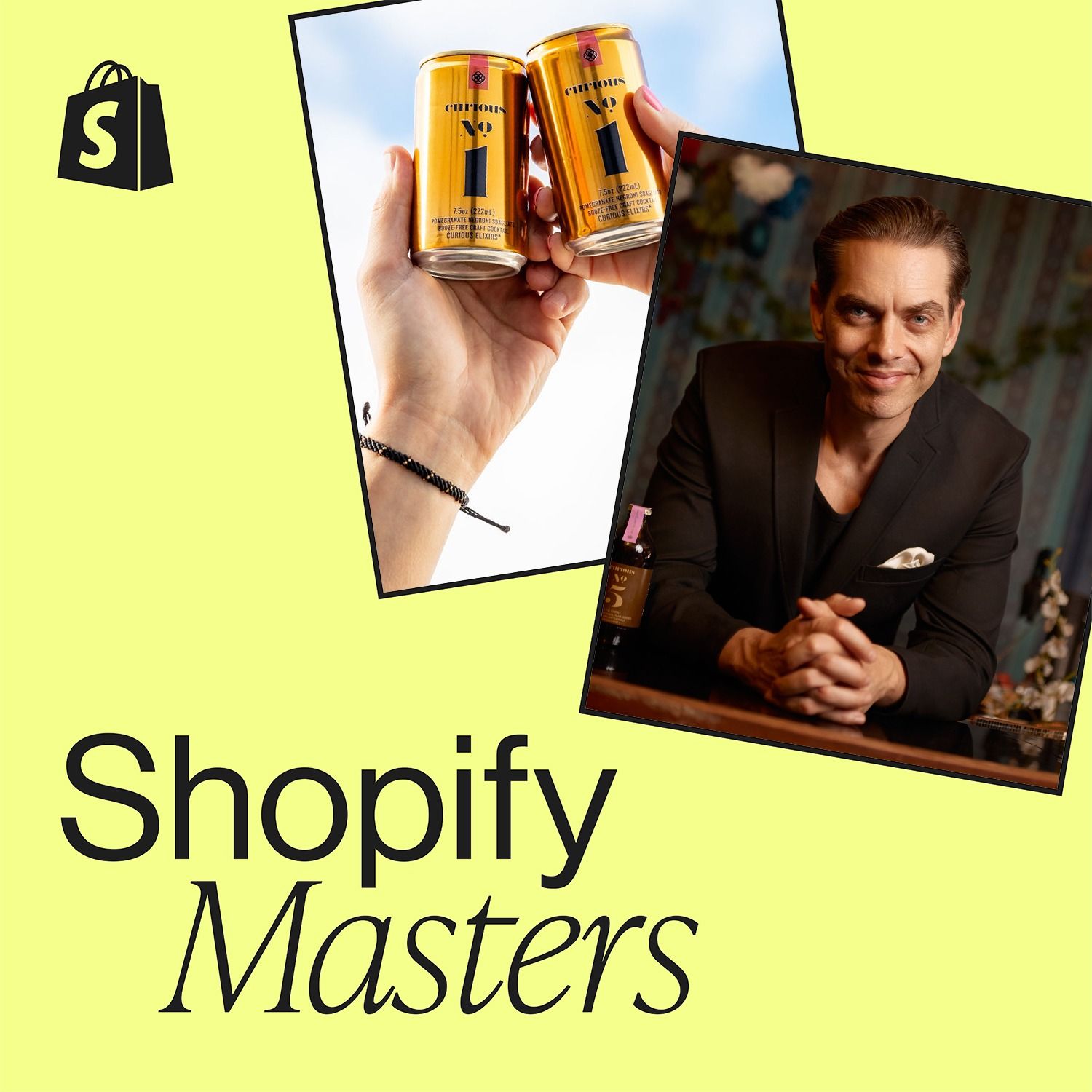
The final catalyst to start Curious Elixirs was hearing Martha Stewart state she never once doubted her business would succeed. The founder decided he could "borrow that confidence," treating an idol's mindset as a tangible asset to overcome his own hesitation and launch.
When starting McCain Foods, Harrison secured a critical loan not on his business plan, but on his family's multi-generational reputation for paying its debts. This demonstrates that integrity is a form of capital that compounds slowly but can be pivotal when it matters most.
![[Outliers] Harrison McCain: How to Create Demand for Something Nobody Wants thumbnail](https://megaphone.imgix.net/podcasts/9c0d00ea-df1d-11ef-9477-2b8336fcd8e9/image/113a058265322df92ae562c548d1dc8f.jpg?ixlib=rails-4.3.1&max-w=3000&max-h=3000&fit=crop&auto=format,compress)
Sam Altman's ability to tell a compelling, futuristic story is likened to Steve Jobs' "reality distortion field." This storytelling is not just a personality trait but a necessary skill for founders of moonshot companies to secure capital and talent when their vision is still just a PowerPoint slide and a lot of hand-waving.

When raising capital, the ability to articulate a clear and compelling narrative is as crucial as the underlying financial model. An operator with exceptional storytelling skills can successfully secure funding, potentially even winning out over a competitor with a marginally better deal but weaker communication.
After Barclays Bank rejected his loan application based on logic, Chung Ju Young pulled out a 500-won note depicting a 400-year-old Korean ironclad warship. This single act shifted the negotiation from a financial risk assessment to a story about national pride and overlooked history, creating the emotional conviction needed to secure the loan.
Starr attributes his salesmanship and confidence to his teenage job selling low-value goods at high markups on the Atlantic City boardwalk, a high-pressure, commission-based environment that taught him human nature and persuasion.
Facing the immigrant's 'catch-22' of needing credit history to get a card, Anastasia Soare convinced a bank manager to give her a $500 credit line by pointing to her $2,000 in savings and promising long-term loyalty. This creative persistence built her initial financial foundation in the U.S.
