Get your free personalized podcast brief
We scan new podcasts and send you the top 5 insights daily.
Even with cheaper panels, solar and wind face scaling limits. The massive land footprint required (e.g., Ohio + Kentucky for the U.S.) and growing community opposition to large infrastructure projects mean they likely cannot provide 100% of our energy alone.

Related Insights
While solar panels are inexpensive, the total system cost to achieve 100% reliable, 24/7 coverage is massive. These "hidden costs"—enormous battery storage, transmission build-outs, and grid complexity—make the final price of a full solution comparable to nuclear. This is why hyperscalers are actively pursuing nuclear for their data centers.

While it may be technically possible to power the world with solar and wind, the speaker argues it's practically infeasible. The required global "super grid" to manage intermittency and geography involves political and financial capital that makes it a fantasy.
The push for massive overbuilding of solar/wind and gigantic battery farms is not an optimal grid strategy. It's a workaround that became popular only because of a pre-existing belief that building new, reliable baseload nuclear power was not an option.
The primary obstacle to US solar deployment isn't technology, but permitting. Allowing 'by-right' development—treating solar projects like cattle ranching on Bureau of Land Management (BLM) land—would dramatically accelerate deployment by removing tiresome and expensive regulatory hurdles.
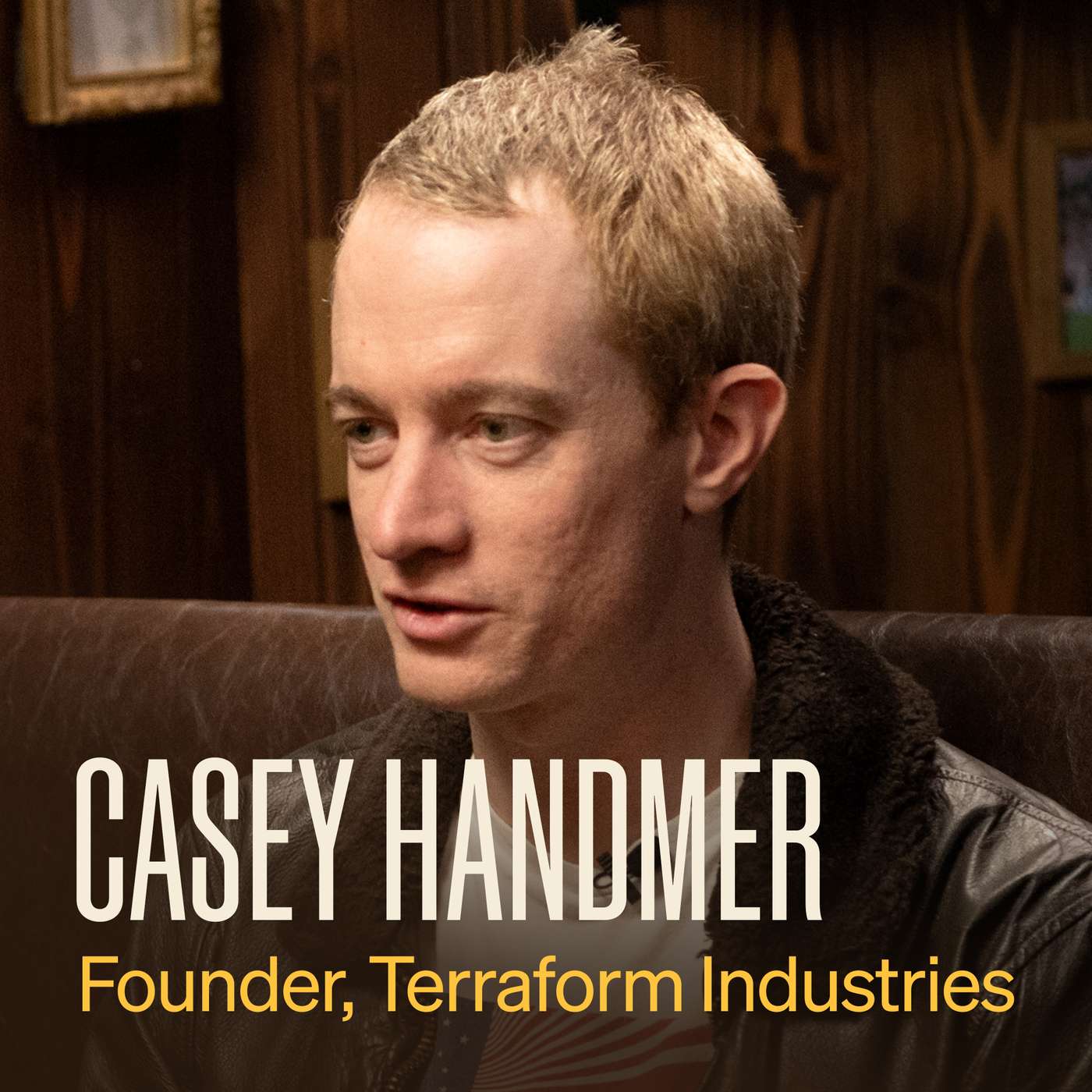
The AI boom is not a universal positive for all energy sources. The need for a resilient, 24/7 power grid for AI data centers increases reliance on stable fossil fuels and battery storage to balance the intermittency of renewables. This dynamic is creating rising costs for pure-play solar and wind producers.

The idea that we only need political will to deploy existing climate tech is flawed. While solar and EVs are viable, critical, high-emission sectors like concrete, steel, aviation, and shipping do not yet have commercially scalable green technologies.
Charts showing plummeting solar and wind production costs are misleading. These technologies often remain uncompetitive without significant government subsidies. Furthermore, the high cost of grid connection and ensuring system reliability means their true all-in expense is far greater than component costs suggest.

Despite the narrative of a transition to clean energy, renewables like wind and solar are supplementing, not replacing, traditional sources. Hydrocarbons' share of global energy has barely decreased, challenging the feasibility of net-zero goals and highlighting the sheer scale of global energy demand.
The cost of electricity has two components: making it and moving it. Generation ("making") costs are plummeting due to cheap solar. However, transmission ("moving") costs are rising from aging infrastructure. This indicates the biggest area for innovation is in distribution, not generation.

The political challenge of climate action has fundamentally changed. Renewables like solar and wind are no longer expensive sacrifices but the cheapest energy sources available. This aligns short-term economic incentives with long-term environmental goals, making the transition politically and financially viable.
