Get your free personalized podcast brief
We scan new podcasts and send you the top 5 insights daily.
Unlike other host cities, LA 2028 is a privately funded "no build" games. It will use existing world-class stadiums and house all 17,000 athletes at UCLA's residences, avoiding the costly construction that burdens other hosts.

Related Insights
Contrary to fears that more teams and matches would cheapen the World Cup, the expansion created a more valuable event. It led to more fan engagement, more underdog stories, and greater economic impact for host cities. For mega-events, a 'more is more' strategy can be more profitable than manufactured scarcity.

Through a unique "clean venue" policy, the Olympics prohibit any corporate branding within athletic competition areas. This strategy ensures the focus remains entirely on the athletes and the sport, a rarity in the hyper-commercialized world of major events.
The massive pressure of the 1984 Olympics forced Los Angeles to develop the ATSAC system, a centralized traffic control network. Initially an experiment for the games, its success in reducing delays by 35% led to its permanent adoption and expansion, fundamentally changing the city's infrastructure and becoming a global model.
Smaller, high-growth cities finance major infrastructure by using Public-Private Partnerships (PPPs). They place the financial burden on developers to extend sewer and water lines, incentivizing them with tools like PIDs and TERS. This allows the city to expand rapidly without taking on massive public bond debt.
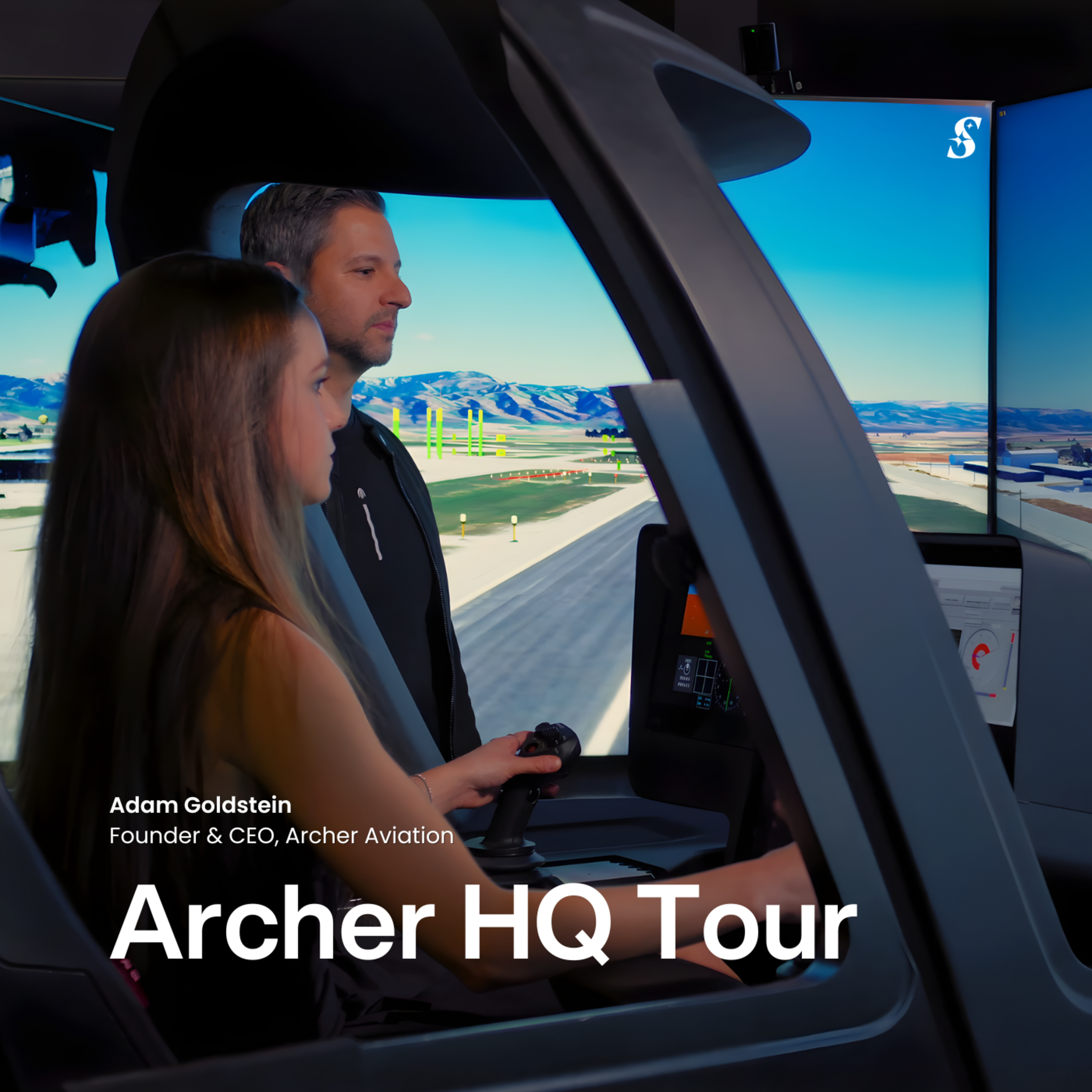
Archer's pre-Olympics pilot program in five cities is designed to desensitize the public to its aircraft. By making the sight of air taxis common and 'boring,' like Waymo cars, they can reduce public anxiety and regulatory pressure ahead of their high-stakes launch during the 2028 LA Olympics.
Meta's $60M investment in local infrastructure for its Canadian data center isn't just charity; it's a strategic move. These community contributions, a "rounding error" in multi-billion dollar project budgets, are becoming essential for securing land, power, and local goodwill, creating a competitive advantage in the race for AI infrastructure.

Unlike hosts like Brazil or Qatar that built costly stadiums, the U.S. is using existing NFL venues. This eliminates the financial risk of "white elephant" infrastructure. However, it also means the U.S. forgoes the powerful nation-branding and global profile-raising opportunities that often motivate host countries.

The modern stadium is evolving into a year-round, mixed-use entertainment district with hotels, retail, and music venues. This shift creates authentic partnership opportunities for B2B companies like construction firms, who can become integral to building and servicing this 'stadium of the future.'

Unlike typical single-host events, the 2026 FIFA World Cup will have host cities across the US, such as New York, Miami, and Seattle. This decentralization allows marketers to create highly localized, city-specific campaigns and promotions tied to fan events, capitalizing on local excitement during what is usually a slow marketing period. This strategy works for both US-based and global companies.

The Olympics host 17,000 athletes in 900 events, selling 15 million tickets. This scale far surpasses the World Cup's 600 athletes and 6.5 million tickets, presenting a vastly greater operational and security challenge.