Get your free personalized podcast brief
We scan new podcasts and send you the top 5 insights daily.
The Supreme Court's decision to overturn the use of IEPA for tariffs is forcing the Treasury to refund $166 billion to importers. This has unexpectedly increased the fiscal year 2026 deficit projection by $105 billion, altering the government's financing outlook.

Related Insights
Despite a Supreme Court ruling against the president's broad reciprocal tariffs, the administration is expected to re-impose them using more targeted, sector-specific legal authorities. This means economic relief from lower tariffs will be short-lived, as the underlying protectionist policy stance remains.

The Supreme Court's ruling requires refunding over $100 billion in illegally collected tariffs to companies. If processed quickly, this massive cash injection into the economy could act as a pre-midterm stimulus, ironically providing a potential political benefit to the Trump administration despite its legal defeat.
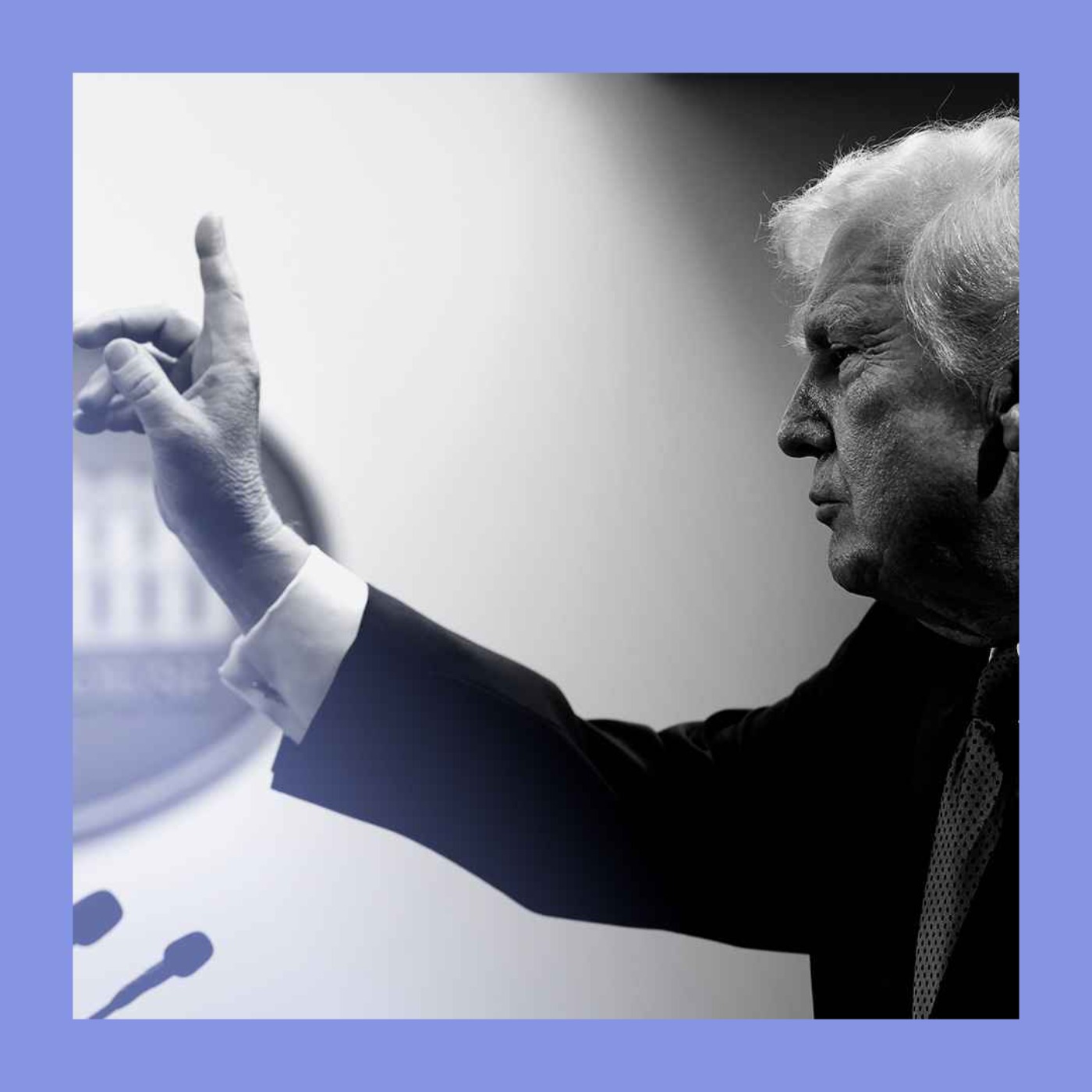
The Supreme Court striking down Trump's use of the IEEPA for tariffs is more than a policy loss. It creates a constitutional crisis and opens the government to a flood of lawsuits from companies seeking refunds for billions paid under the now-unconstitutional tariffs.

The Supreme Court didn't eliminate all presidential tariff authority. It only ruled that the IEPA statute, used for two-thirds of his tariffs, does not grant this power. This leaves him able to use other laws, like Section 122 of the Trade Act, to reimpose tariffs, albeit with more constraints and difficulty.

Tariffs are a direct tax paid by the domestic importer, period. This functions as a significant, unacknowledged fiscal tightening by massively increasing the corporate tax bill. This drain on the economy is a primary driver of the current recessionary impulse, contrary to political narratives.

The Supreme Court ruling will trigger two massive waves of litigation. First, hundreds of thousands of companies will sue for refunds on billions in illegally collected tariffs. Second, new tariffs imposed under different authorities will face country-by-country legal challenges, creating a sustained boom for trade lawyers.
While the base case is that the President would replace tariffs struck down by the Supreme Court, there's a growing possibility he won't. The administration could use the ruling as a politically convenient way to reduce tariffs and address voter concerns about affordability without appearing to back down on trade policy.

Even if the Supreme Court rules against using emergency powers (IEPA) for tariffs, the President can use a patchwork of other legal authorities like Sections 122, 232, and 301. While this would curtail the ability to impose tariffs on a whim, it would still allow the administration to replicate the revenue effects.

A secondary market for tariff refund claims saw prices leap from 25 to 52 cents on the dollar immediately after the Supreme Court ruling. This reflects a rapid repricing of legal risk, with some CEOs now considering selling their claims for 70 cents.

If tariffs are reduced following a court ruling, companies will experience immediate cost relief. However, these savings are passed to consumers slowly, over two to three quarters. This delay creates a temporary tailwind for corporate profit margins before prices on the shelf fall.